Azerbaijan National Academy of Sciences
The first website of Azerbaijan (1995)
 Elm TV
 Photo
 Video
- A-
- A
- A+
Azerbaijani Archaeologist Presents a Paper at an International Scientific Seminar in Germany
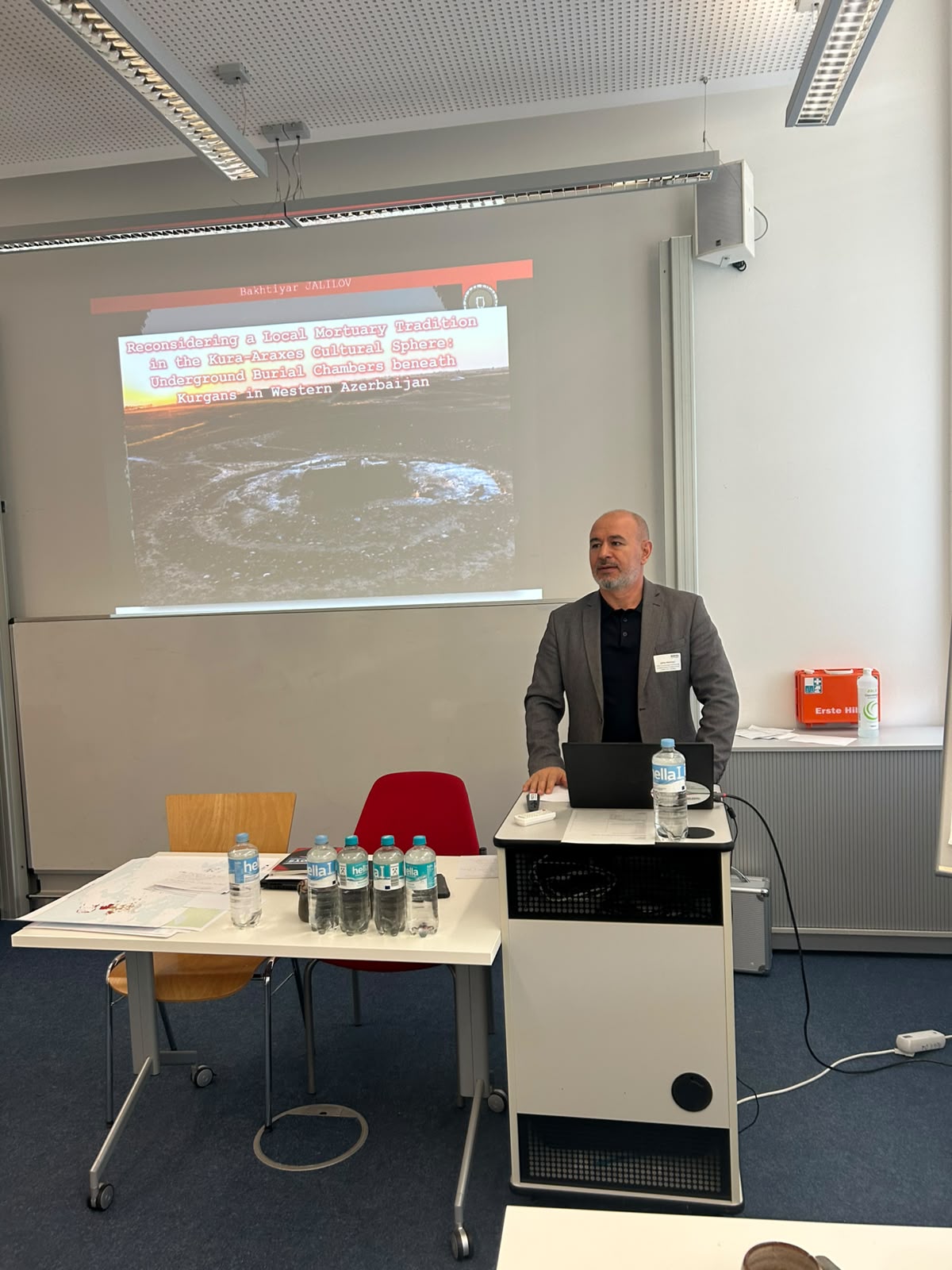
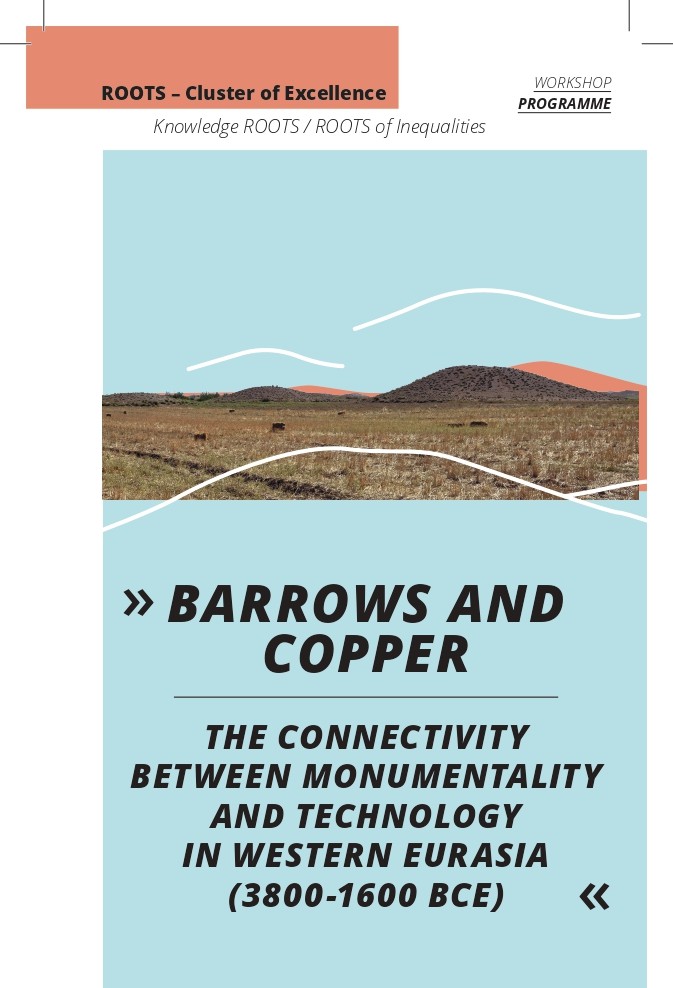
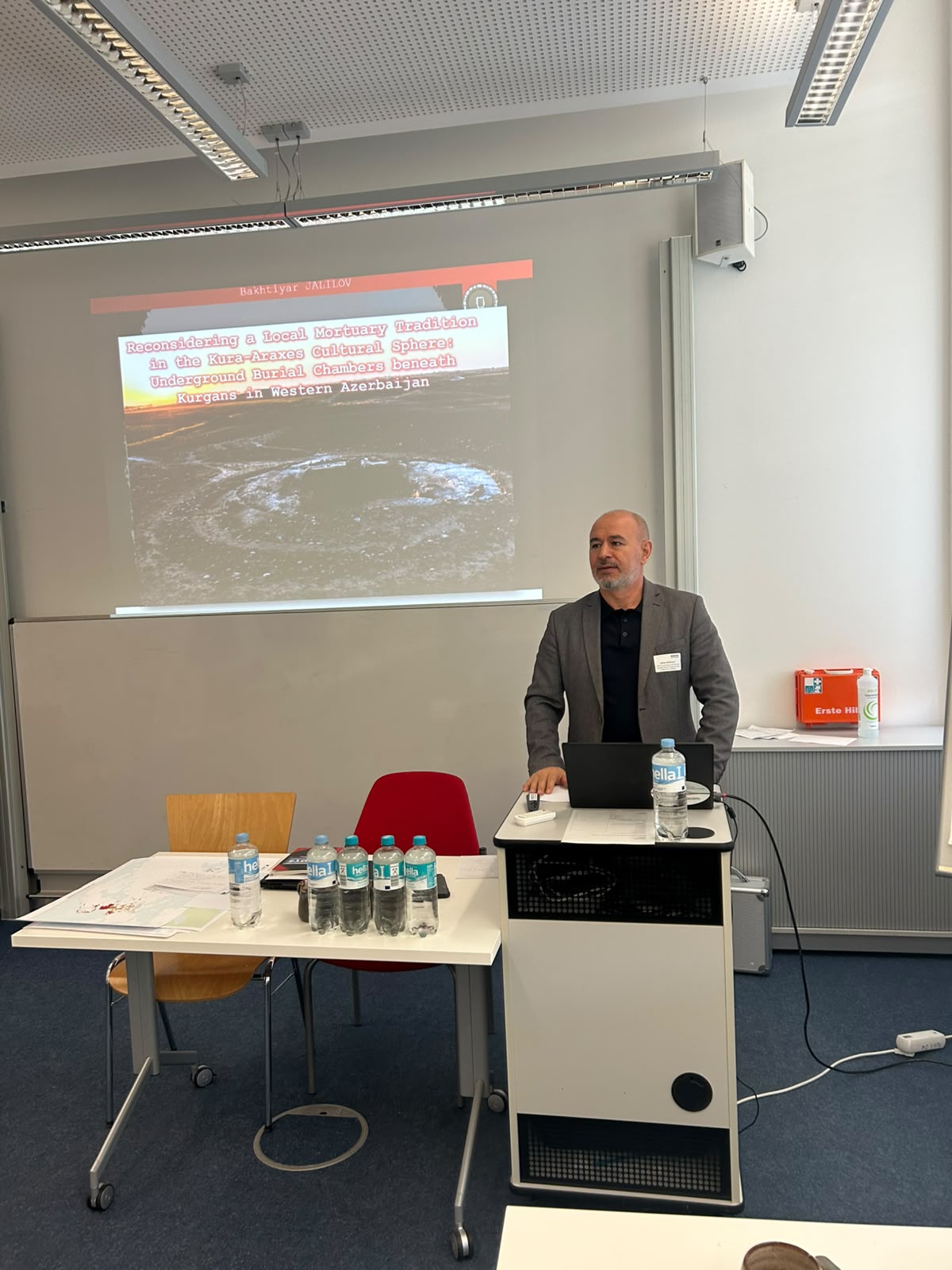
An international scientific seminar entitled “Barrows and Copper – The Connectivity between Monumentality and Technology in Western Eurasia (3800–1600 BCE)” was held at Kiel University in Kiel, Germany.
In addition to Germany, the international event brought together archaeologists from England, Australia, Poland, Moldova, Ukraine, Czechia, the Netherlands, and Georgia.
Bakhtiyar Jalilov, PhD in History and Associate Professor, Head of the Department of Archaeological Investigation of New Construction Sites at the Institute of Archaeology and Anthropology of the Azerbaijan National Academy of Sciences, participated in the seminar and delivered a scientific paper.
At the event, the scholar presented a paper entitled “A Local Funerary Tradition within the Kura-Araxes Cultural Context: Kurgans with Underground Burial Chambers in Western Azerbaijan.”
The presentation analysed the archaeological characteristics, architectural features, funerary practices, and relationship with the Kura-Araxes culture of kurgans with underground burial chambers discovered in Western Azerbaijan. Particular attention was drawn to the significance of these monuments for the study of funerary traditions in the South Caucasus during the Early Bronze Age, collective burial practices, and the place of subterranean burial chambers beneath kurgans within the regional archaeological context.
The principal objective of the international seminar was to discuss the development of kurgan cultures in Western Eurasia between 3800 and 1600 BCE, the relationships between monumental funerary monuments, metallurgy, and technological innovation, as well as cultural and technological interactions among ancient societies. Bringing together archaeologists and researchers from different countries, the event provided an important platform for discussing current scholarly issues and expanding international scientific cooperation.
Bakhtiyar Jalilov’s participation in the seminar and his presentation were of considerable importance for communicating to the international scholarly community the results of archaeological research conducted in Azerbaijan, particularly findings relating to the ancient kurgan cultures and funerary traditions of the South Caucasus. Participation in such international scholarly platforms contributes to promoting Azerbaijan’s archaeological heritage internationally and to developing cooperation with foreign research centres.
Similar News
Links