Azerbaijan National Academy of Sciences
The first website of Azerbaijan (1995)
 Elm TV
 Photo
 Video
- A-
- A
- A+
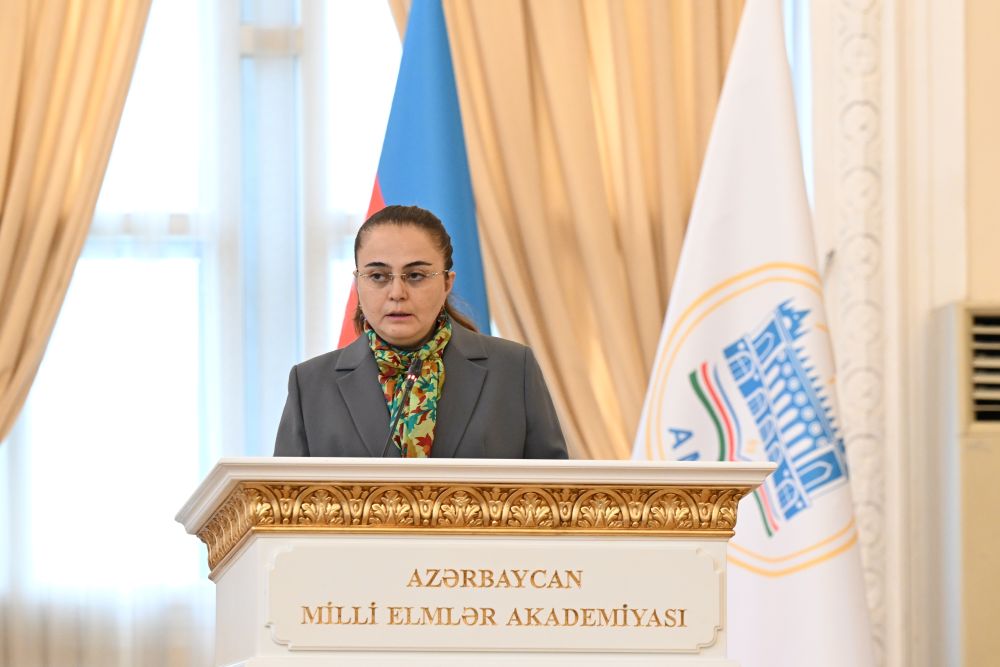
Saadat Yusifova: “Developing New Models of Scientific Cooperation to Preserve Cultural Diversity and Assess the Effectiveness of Dialogue Policies Is of Particular Importance”
Launched in 2008 at the initiative of President of the Republic of Azerbaijan Ilham Aliyev, the “Baku Process” is an important platform that brings together countries, international organizations, and the academic community around mutual understanding and cooperation. It is essential to examine the experience of the “Baku Process” more systematically in academic settings, evaluate its outcomes on a scientific basis, and ensure that it receives broader coverage in international research.
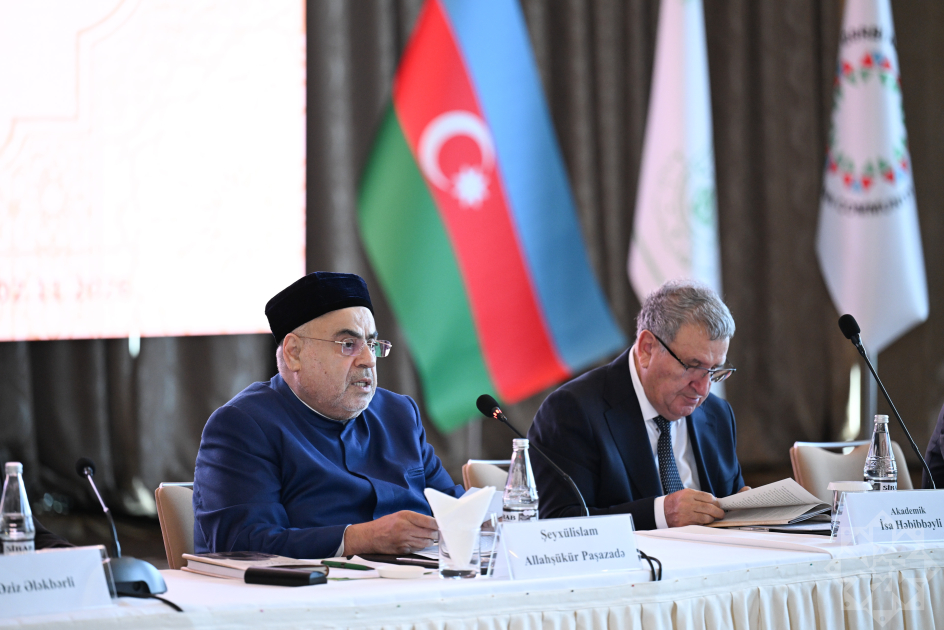
These remarks were made by Saadat Yusifova, Deputy Minister of Culture of the Republic of Azerbaijan, at the opening ceremony of the Academic Forum held on October 27 at the Azerbaijan National Academy of Sciences (ANAS) within the framework of the 7th World Forum for Intercultural Dialogue.
Saadat Yusifova highlighted the growing importance of intercultural dialogue amid increasing polarization, conflicts, and a crisis of mutual trust around the world. She emphasized that scientific research should receive particular attention alongside political and diplomatic initiatives to advance dialogue. She noted that the humanities and social sciences make a significant contribution to studying relations between societies, overcoming stereotypes, and strengthening social trust.
Addressing the opportunities and challenges that digital transformation creates for intercultural dialogue, Saadat Yusifova stated that technology should serve to preserve cultural heritage and disseminate knowledge while also helping increase the digital visibility of underrepresented languages and cultures. She stressed the importance of cooperation among universities, researchers, and government institutions in this regard.
Referring to Azerbaijan’s partnership with UNESCO, the Deputy Minister noted that UNESCO’s UNITWIN Network on Interreligious Dialogue and Intercultural Understanding provides important opportunities to expand international scientific cooperation, knowledge exchange, and joint research. According to her, developing new models of scientific cooperation in the fields of intercultural and interreligious dialogue, the preservation of cultural diversity, and the assessment of the effectiveness of dialogue policies is of particular importance.
Concluding her remarks, Saadat Yusifova expressed confidence that the outcomes of the Forum would lead to concrete initiatives, joint research projects, and new partnerships, and that the scientific discussions would be reflected in public policy and educational programmes, thereby contributing to the sustainable development of society. She wished the Forum success.
Translation by Gulhane Aghayeva, Department of Public Relations, Press, and Information, Presidium of ANAS.
© All rights reserved. When using these materials, reference to www.science.gov.az is required.
Similar News
Links