Azerbaijan National Academy of Sciences
The first website of Azerbaijan (1995)
 Elm TV
 Photo
 Video

- A-
- A
- A+
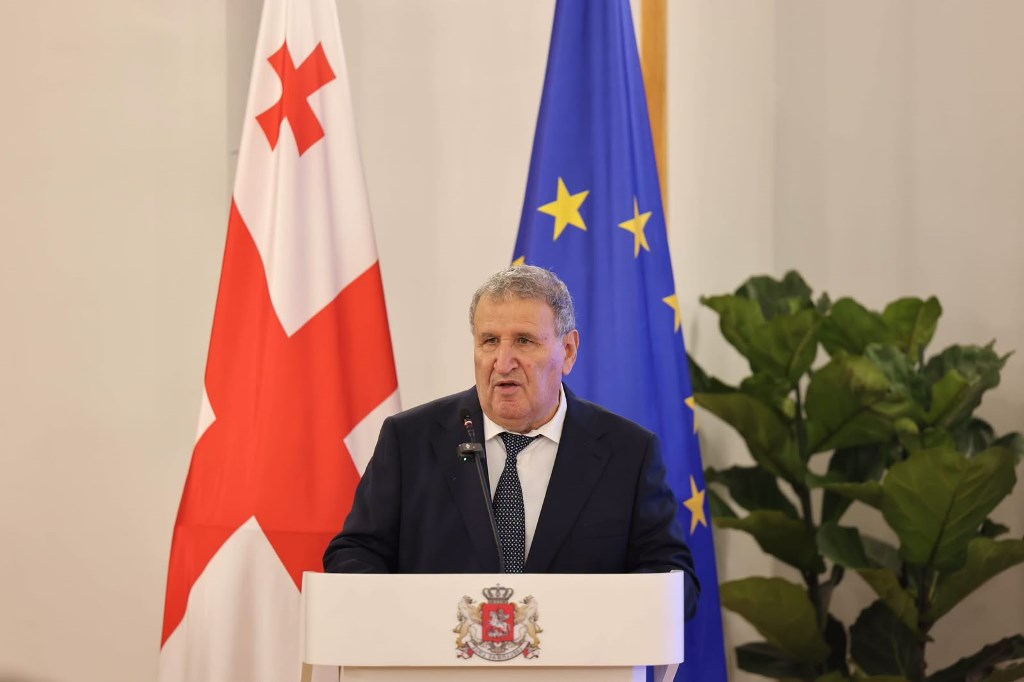
Mukhtar Babayev: “The Azerbaijan National Academy of Sciences Actively Participated in the COP29 Process”
In recent years, Azerbaijan has played an active role in building key relationships in the field of climate diplomacy and global partnership. As a result of these efforts, the country has become known worldwide as a reliable partner and a responsible state. President Ilham Aliyev is recognized by the international community as a highly respected global leader. This process was a serious test for us, and Azerbaijan has successfully passed it with remarkable results.
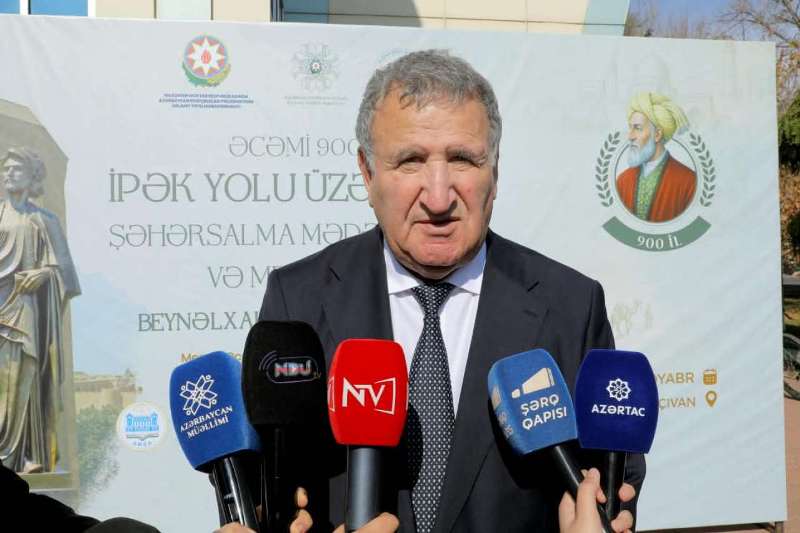
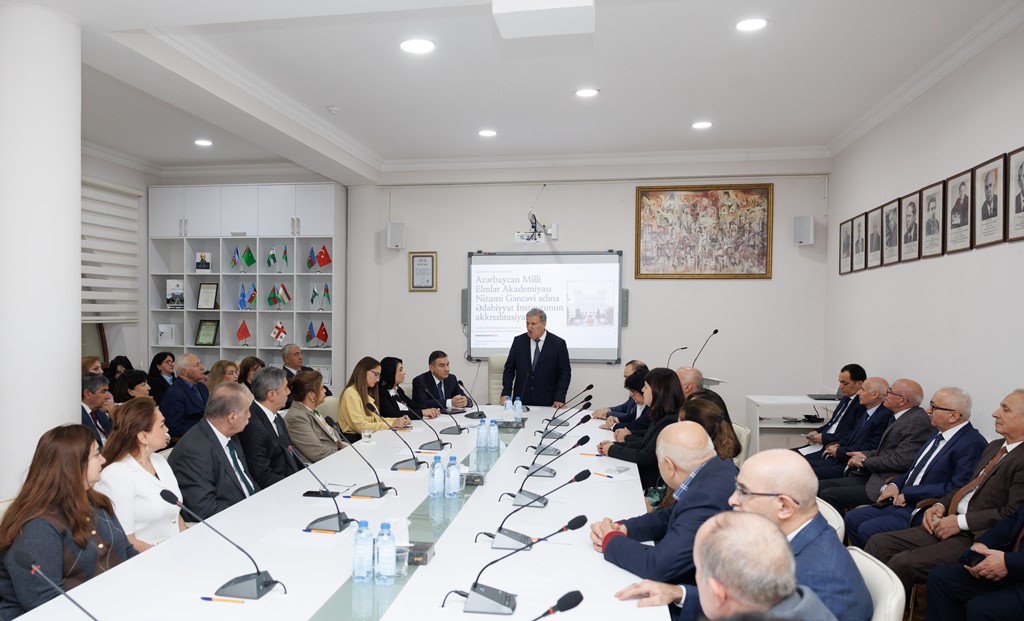
These remarks were made by Mukhtar Babayev, the Representative of the President of the Republic of Azerbaijan on Climate Issues, during the presentation ceremony of the book “COP29: Global and National Challenges, the Tasks of Science” held at the Azerbaijan National Academy of Sciences (ANAS).
Mukhtar Babayev noted that the “Year of Solidarity for a Green World” and the international events within COP29 are fostering a new way of thinking not only in political and economic terms but also in scientific and moral spheres. Until November of this year, Azerbaijan will continue to serve as the chair of this prestigious event.
The President’s Representative emphasized that the Azerbaijan National Academy of Sciences actively participated in the COP29 process, highlighting the importance of mobilizing the country’s scientific potential in this regard.
Mukhtar Babayev underlined that the Organizing Committee, established under a relevant decree of President Ilham Aliyev, has visited 62 countries over the past two years. This, he said, is not only a major mission but also a testament to the valuable experience Azerbaijan has gained on the international stage.
He recalled that President Ilham Aliyev had previously raised the issues of the deteriorating ecological condition and the declining water level of the Caspian Sea at the Caspian States Summit in 2022 and again at the 80th session of the UN General Assembly. The President stressed the need for joint efforts by the littoral states to address this problem.
According to Babayev, the shallowing process of the Caspian Sea, observed since 1995, has accelerated in recent years, significantly affecting navigation, agriculture, fisheries, and other sectors. This issue was extensively discussed within the COP29 framework and will remain one of the key topics at the COP30 conference to be held in Brazil later this year.
The President’s Representative emphasized the importance of engaging international organizations and scientific institutions in the in-depth study of ecological risks in the Caspian region and in implementing adaptation measures. He added that the main priorities of COP30 include the protection of biodiversity, the safeguarding of the rights of indigenous peoples, and the development of climate-related ethical codes. Climate risks such as land degradation, impacts on flora and fauna, and negative effects on human health remain high on the global agenda.
In conclusion, the President’s Representative noted that in the coming years, the participation of scientists in accurately assessing the consequences of climate change, modeling risks, and developing scientifically grounded solutions will be of particular importance.
Translation by Gulhane Aghayeva, Department of Public Relations, Press, and Information, Presidium of ANAS.
© All rights reserved. Reference to http://www.science.gov.az is required when using materials from this site.
Similar News

Links