Azerbaijan National Academy of Sciences
The first website of Azerbaijan (1995)
 Elm TV
 Photo
 Video
- A-
- A
- A+
A Meeting Held at ANAS on Expanding Digitalization and Introducing a New Digital Reporting Model
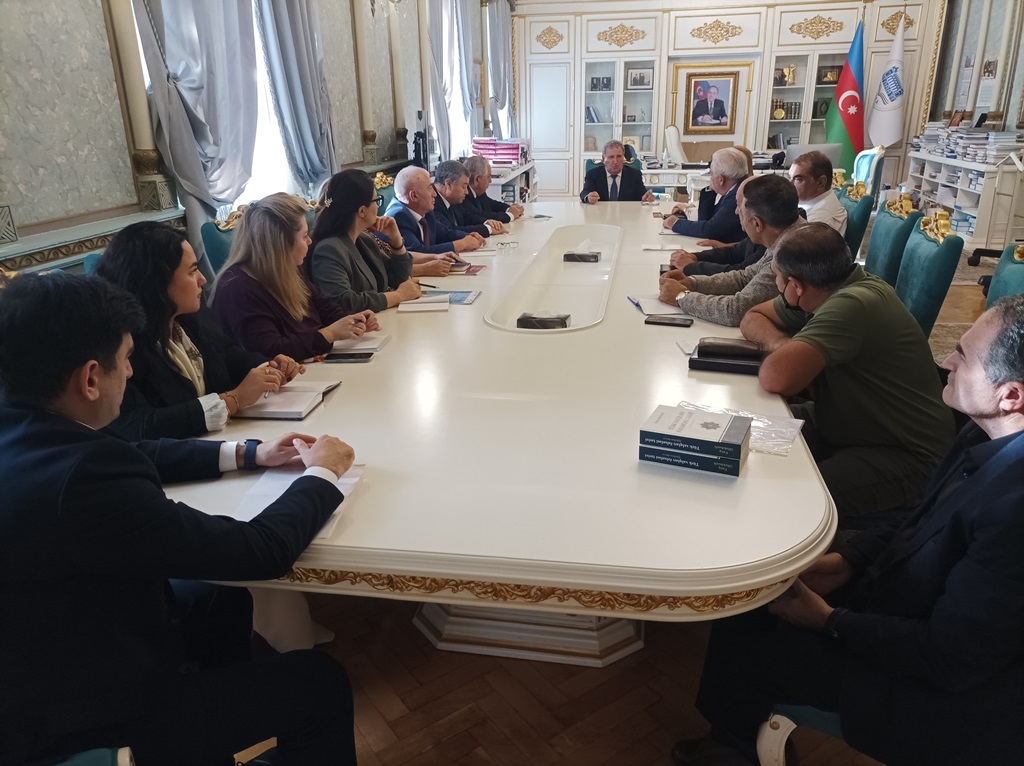
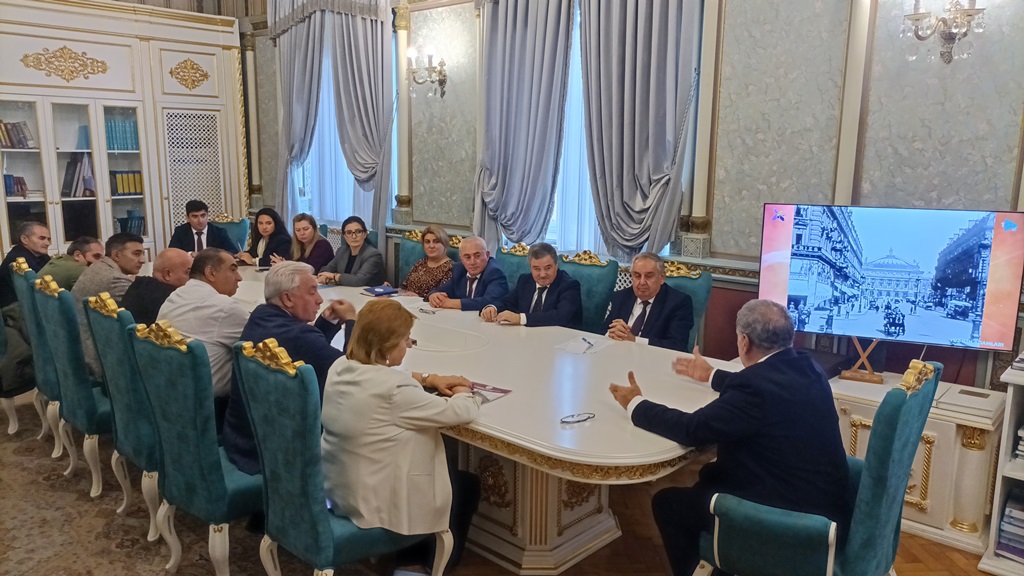
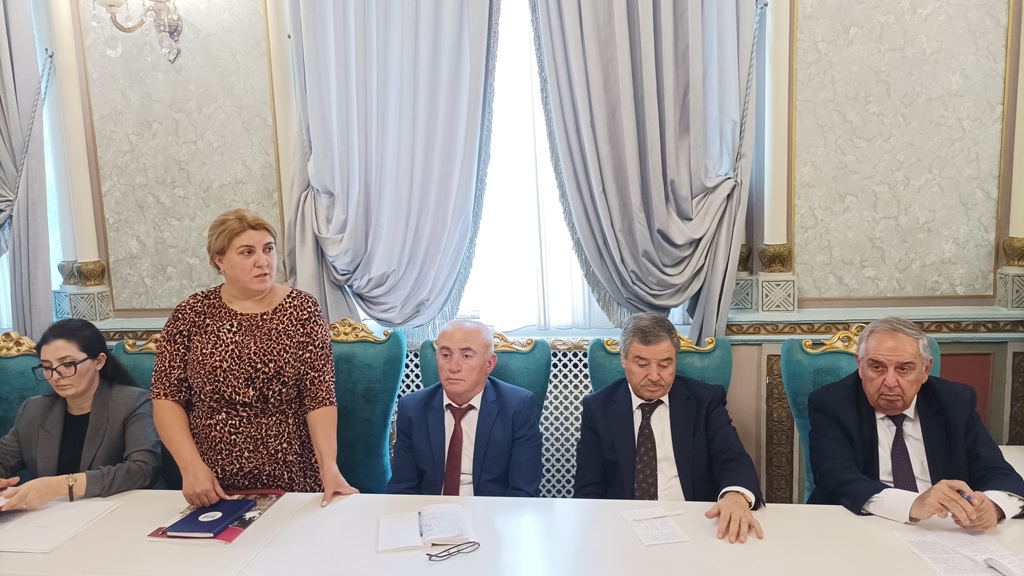
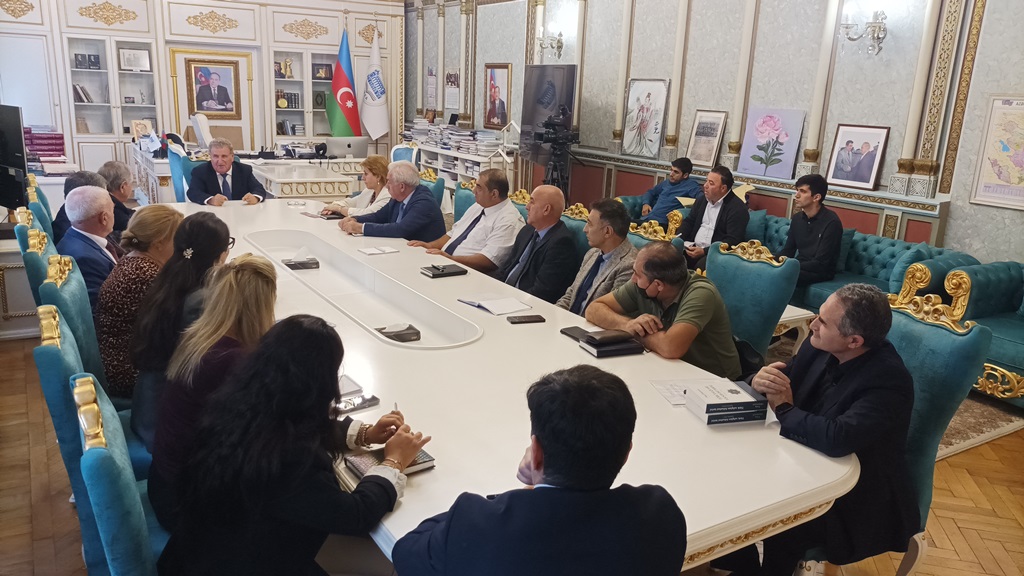
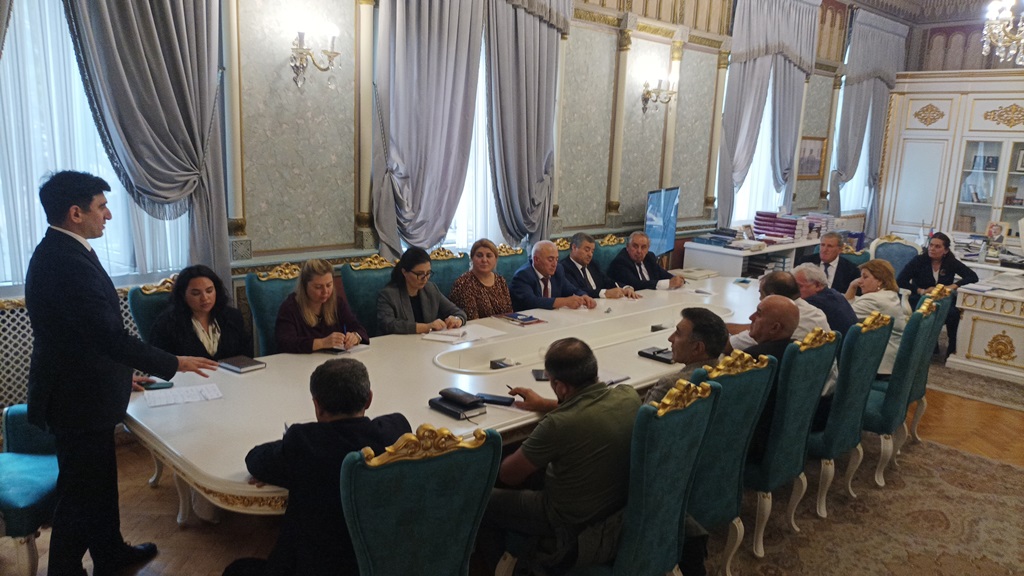
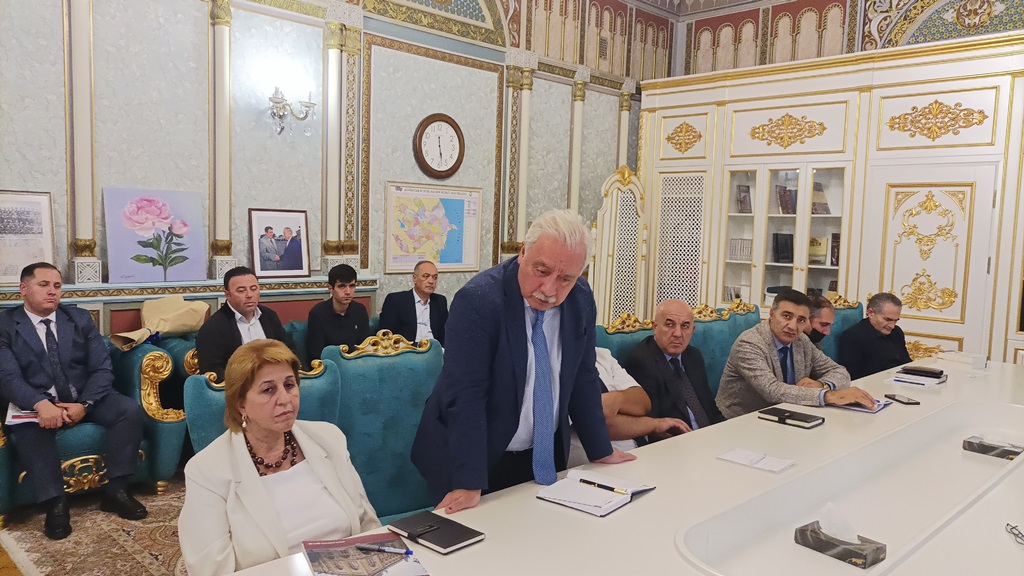
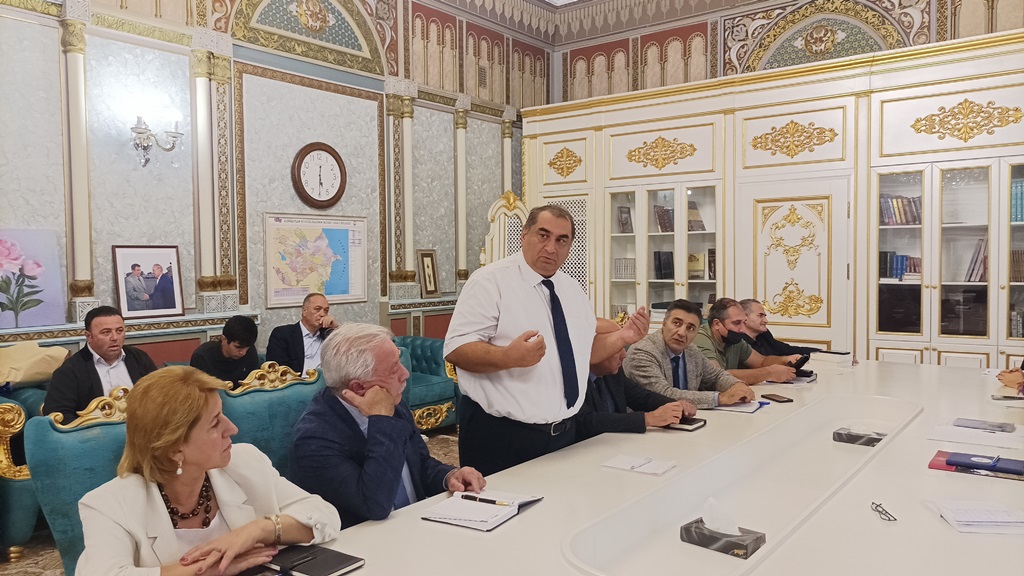
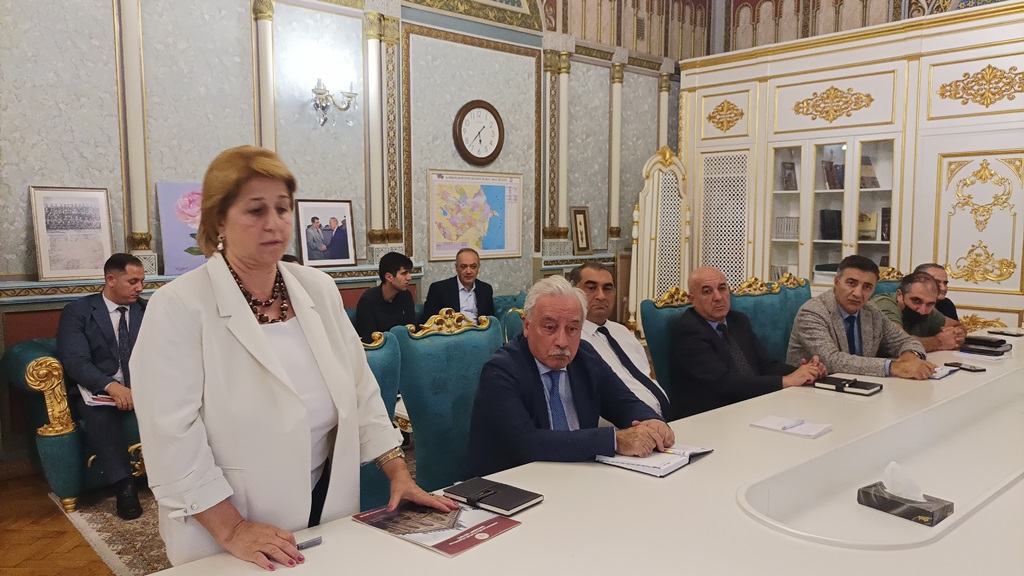
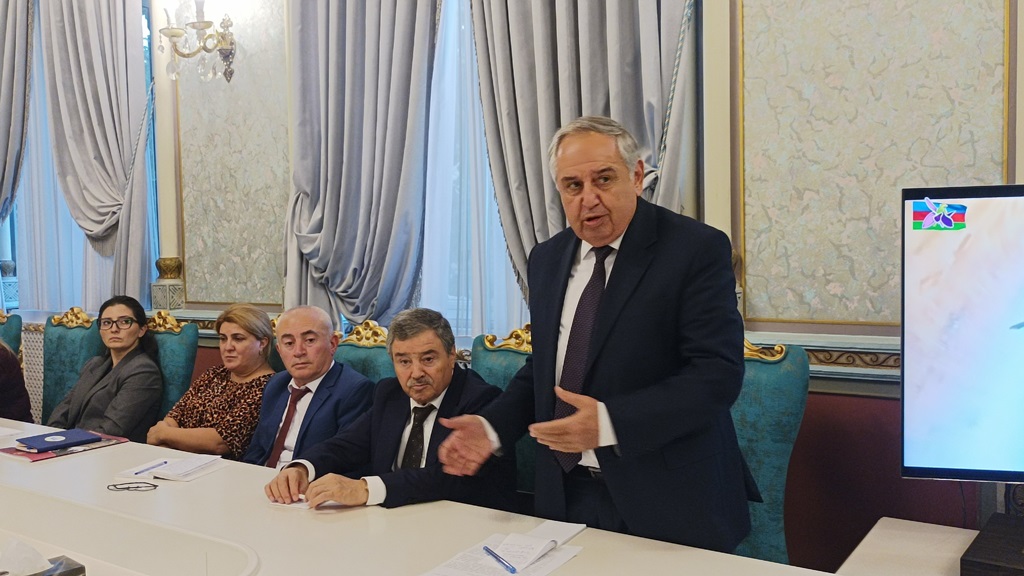
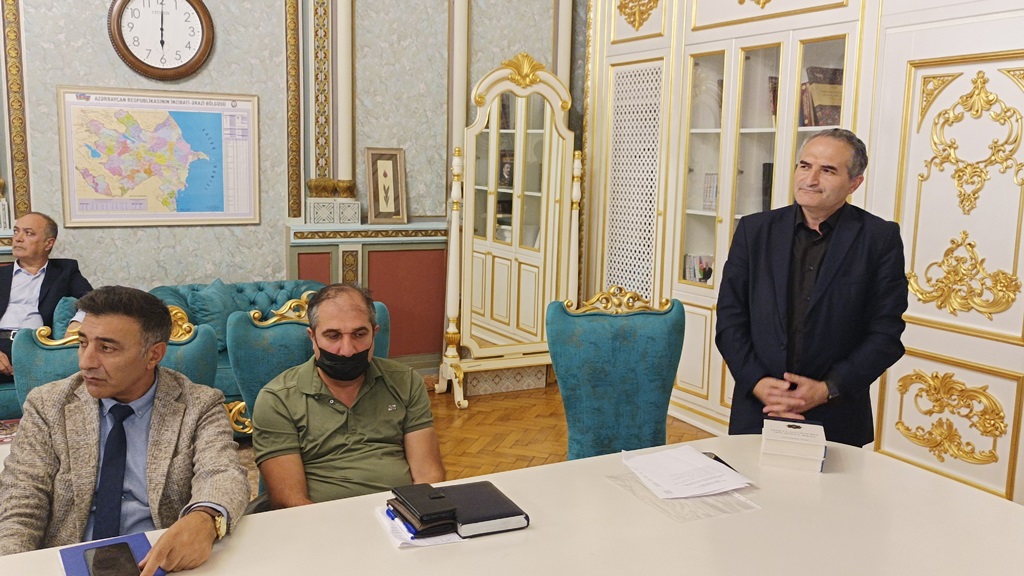
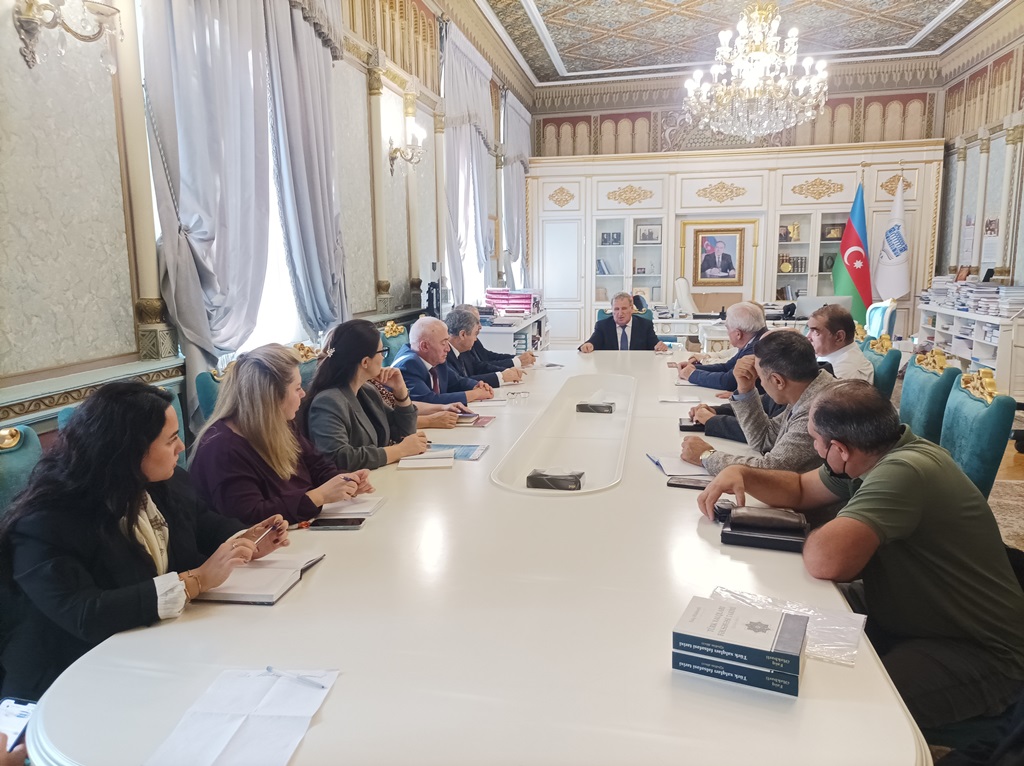
A meeting dedicated to expanding digitalization at the Azerbaijan National Academy of Sciences (ANAS), introducing a new digital reporting model, and systematically organizing scientific activities in Turkology was held at the Presidium of ANAS.
The meeting was chaired by the President of ANAS, Academician Isa Habibbeyli, and attended by members of the Presidium, heads of departments of the Presidium Office, and relevant representatives of scientific institutions.
President of ANAS, Academician Isa Habibbeyli, addressed issues concerning the effective organization of activities at the Academy and the introduction of a new digital model in scientific institutions and organizations, in line with the challenges arising from the country’s new digital development strategy. These issues were discussed at a meeting of the Digital Development Council chaired by First Vice-President of the Republic of Azerbaijan Mehriban Aliyeva. The academician highlighted the importance of integrating digital transformation processes into the management of the Academy in accordance with the tasks identified by the Council for Digital Development.
Academician Isa Habibbeyli emphasized that introducing a new digital procedure for submitting annual reports by ANAS institutes and transitioning to a points-based evaluation system were among the key tasks ahead. Recalling that the digital reporting model had first been implemented at the Nizami Ganjavi Institute of Literature of ANAS, the head of ANAS stated that the Institute of Philosophy and Sociology had been selected as the next participant in the pilot project. He noted that the institutes participating in the pilot project would organize their scientific activities in line with digital evaluation criteria and submit their reports in the format of the new digital model this year. Academician Isa Habibbeyli also issued relevant recommendations and instructions regarding the organization of training sessions, workshops, and other activities in this area.
Speaking next, Vice-President of ANAS, Academician Irada Huseynova, highly praised the timely steps taken towards digitalization and emphasized the importance of preparing relevant guidelines covering current activities and providing them to the institutes.
Academic Secretary of ANAS, Academician Arif Hashimov, noted that the digital reporting model would be distinguished by the comprehensiveness and accuracy of its data, adding that its implementation across the Academy would serve as an example of good practice for other institutions.
Mehman Hasanli, Deputy Director for Scientific Affairs and Digitalization at the Nizami Ganjavi Institute of Literature of ANAS and Doctor of Philological Sciences, stated that the new system would enable staff members to submit reports electronically through their personal accounts and track their results using a points-based system. He also explained the technical details of submitting reports electronically and the procedures for uploading them through the software.
Fariz Imranov, Head of the Department of Digital Academy, Artificial Intelligence and E-Services of the Presidium Office of ANAS and PhD in Mathematics, provided detailed information on the current state of digitalization at the Academy, the implementation of electronic services, and the work currently underway.
Aynur Mahmud, Head of the Human Resources Department of the Presidium Office of ANAS and Doctor of Philosophy in Philology, stated that ANAS employees were being registered for training courses to be organized by the Ministry of Digital Development and Transport to promote digital skills. She added that employees were being regularly informed about the subsequent stages of the training.
Ilham Mammadzade, Director of the Institute of Philosophy and Sociology of ANAS, Doctor of Philosophical Sciences and Professor, emphasized the importance of restructuring the institute’s activities in the context of digitalization, drawing on the new experience gained, as well as effectively applying artificial intelligence and digital technologies in scientific institutions.
Eynulla Madatli, Deputy Director for Scientific Affairs at the Institute of Philosophy and Sociology of ANAS and Doctor of Historical Sciences, highlighted the importance of studying advanced practices and applying successful models, noting that the digitalization of science was a requirement of the modern scientific environment.
Mohammad Jabrayilov, Head of a department at the Institute of Philosophy and Sociology of ANAS and Doctor of Philosophy in Philosophy, spoke about the institute’s existing potential for digitalization, the work to be carried out in this area, and the tasks ahead.
The meeting also addressed the need to expand scientific activities in Turkology at ANAS, particularly the importance of organizing research systematically. As an example of recent research in this field, Academician Isa Habibbeyli highlighted the significance of the monograph History of Philosophy of Turkic Peoples (Ancient Period) by Faiq Alakbarli, Head of the Department of the History of Philosophical Thought of Turkic Peoples and Modern Philosophy at the Institute of Philosophy and Sociology of ANAS, PhD in Philosophy and Associate Professor.
At the meeting, Faiq Alakbarli provided detailed information about the main areas of activity of the Department of the History of Philosophical Thought of Turkic Peoples and Modern Philosophy.
Extensive discussions were held on the transition to a digital reporting model at ANAS, the evaluation of scientific activities using a points-based system, the integration of scientific institutions into digital transformation processes, and the systematic organization of scientific activities in Turkology.
It was noted that the Institute of Archaeology and Anthropology of ANAS and the Institute of Folklore of ANAS were also planning to prepare scientific reports digitally.
It was reported that staff members of the Department of Digital Academy, Artificial Intelligence and E-Services of the Presidium Office of ANAS had developed a digital model for annual scientific reports across the Academy.
In conclusion, President of ANAS, Academician Isa Habibbeyli, delivered remarks and conveyed relevant recommendations and instructions on the issues discussed.
Translation by Gulhane Aghayeva, Department of Public Relations, Press, and Information, Presidium of ANAS.
© All rights reserved. When using these materials, reference to www.science.gov.az is required.
Similar News
Links