Azerbaijan National Academy of Sciences
The first website of Azerbaijan (1995)
 Elm TV
 Photo
 Video
- A-
- A
- A+
The First International Symposium on “The Present and Future of Cognitive Linguistics in Turkic States” Held at ANAS
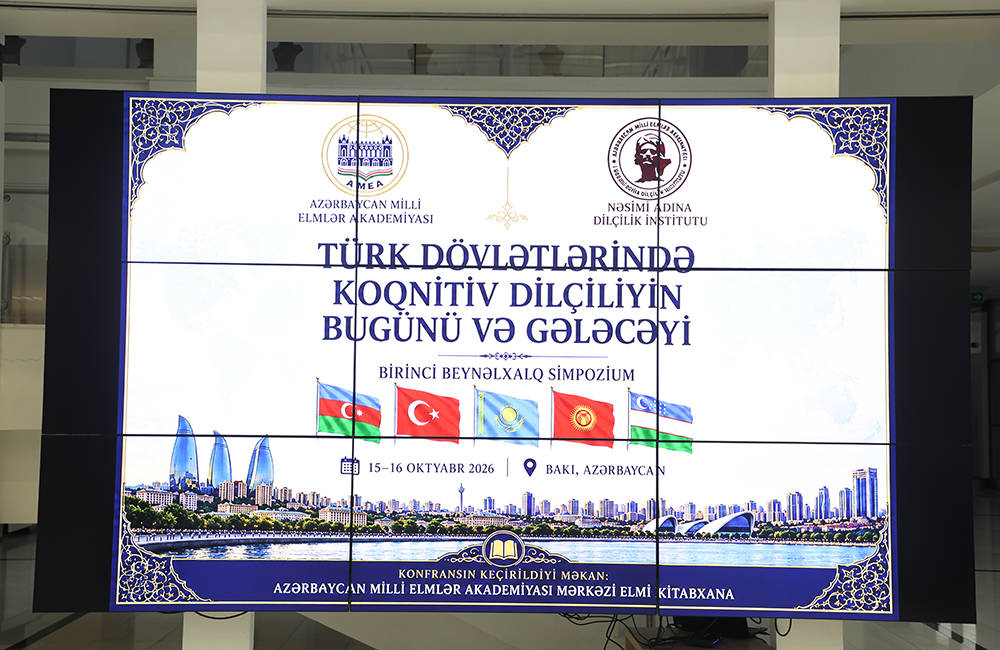
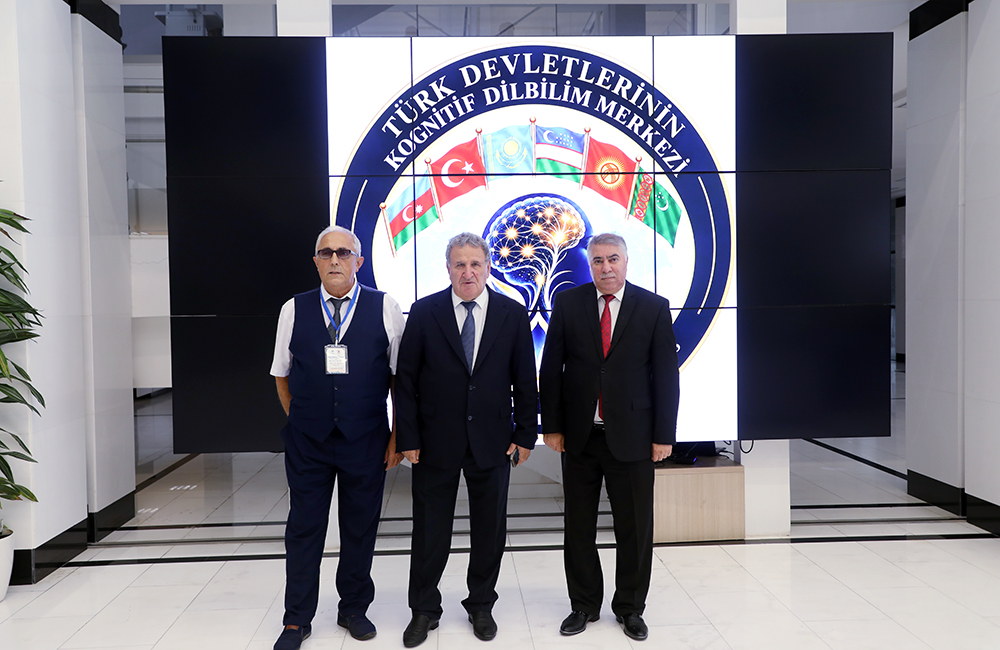
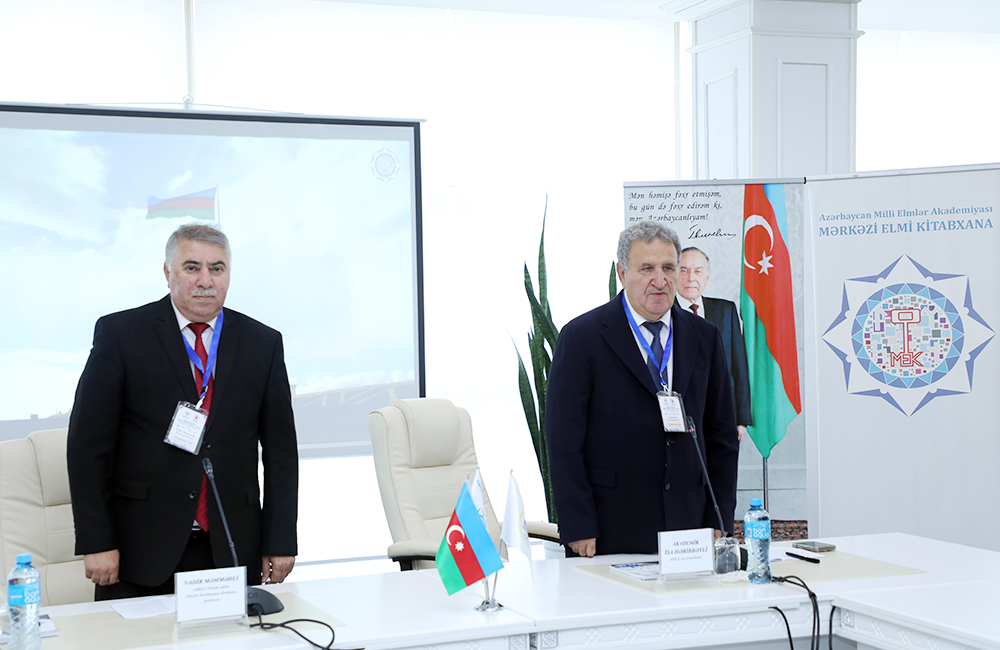
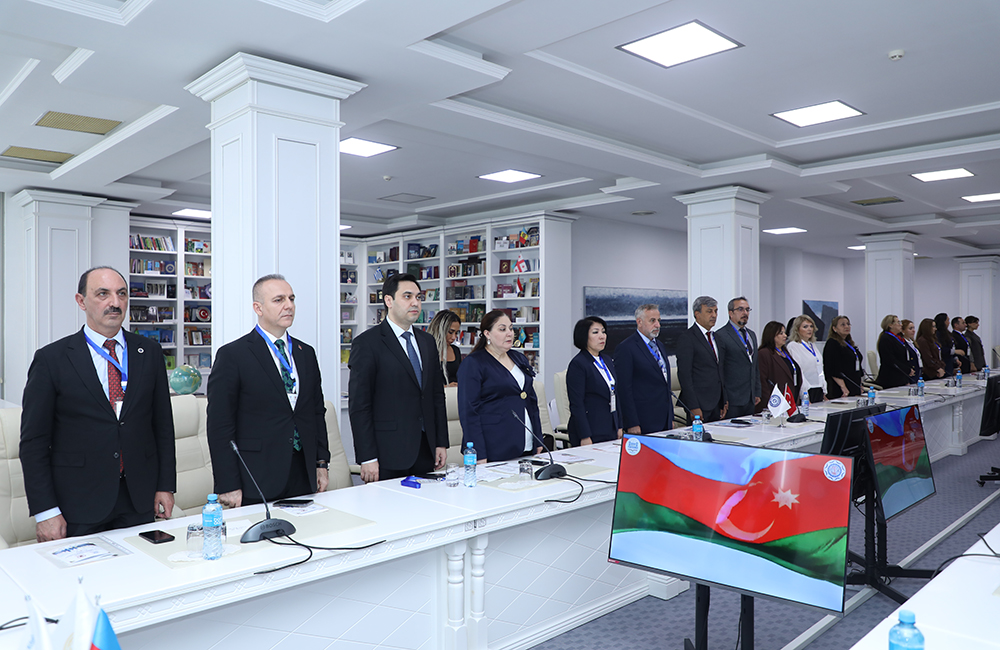
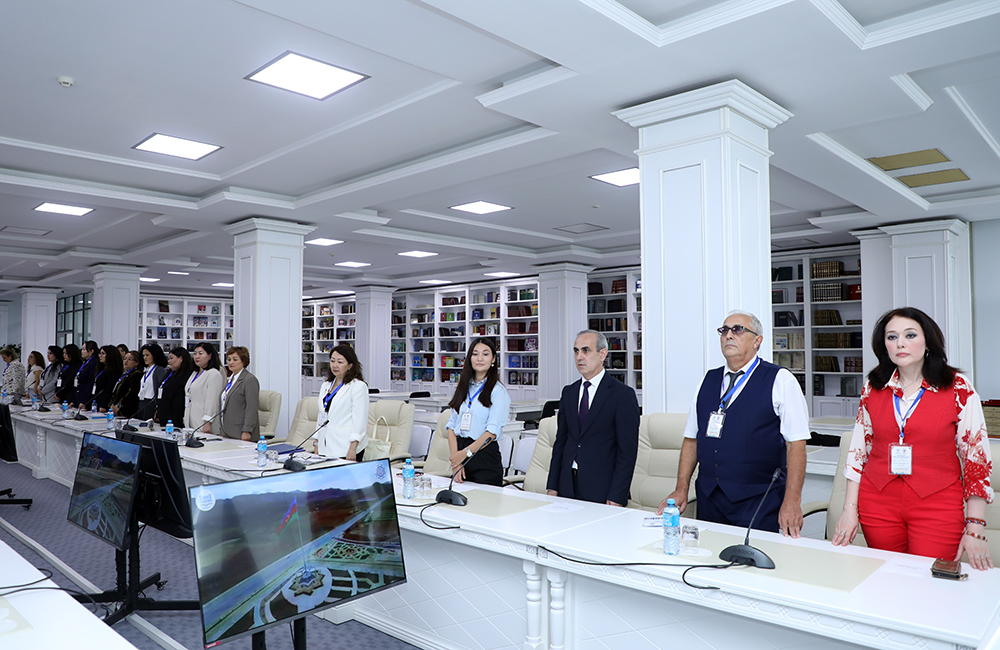
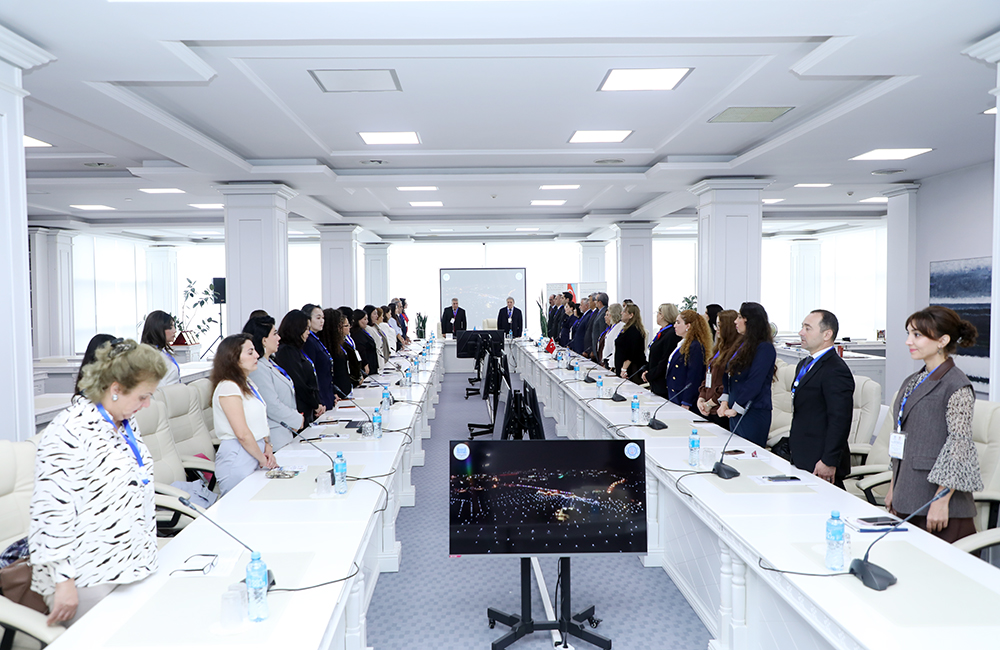
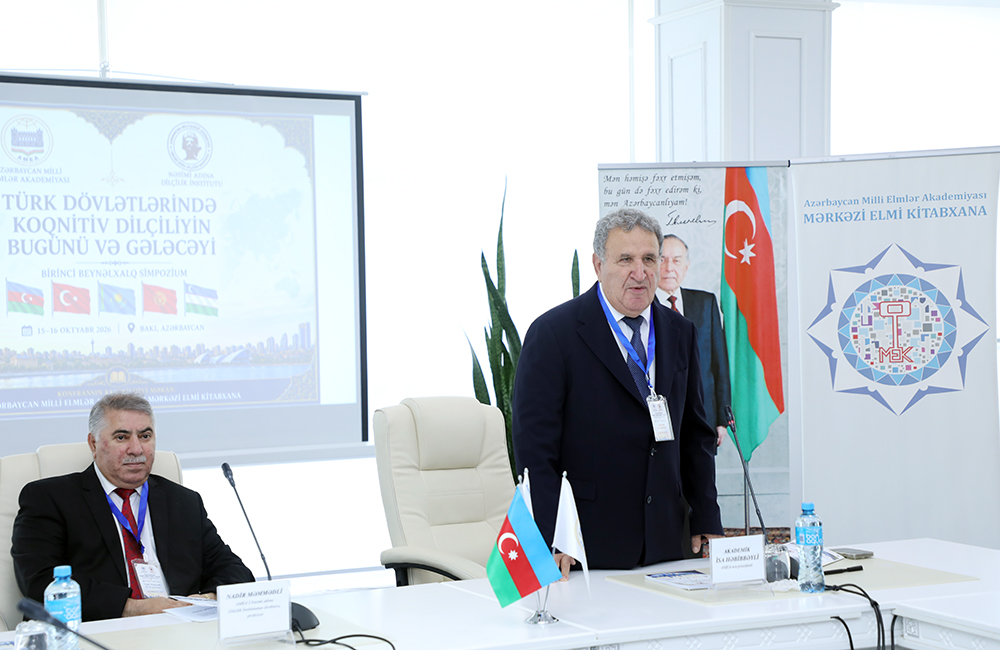
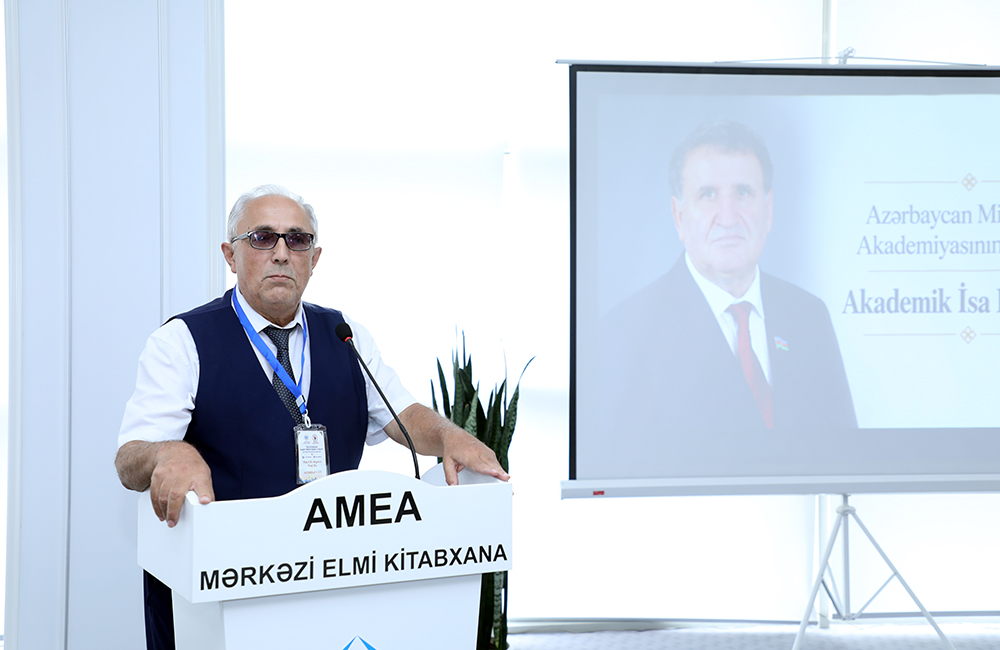
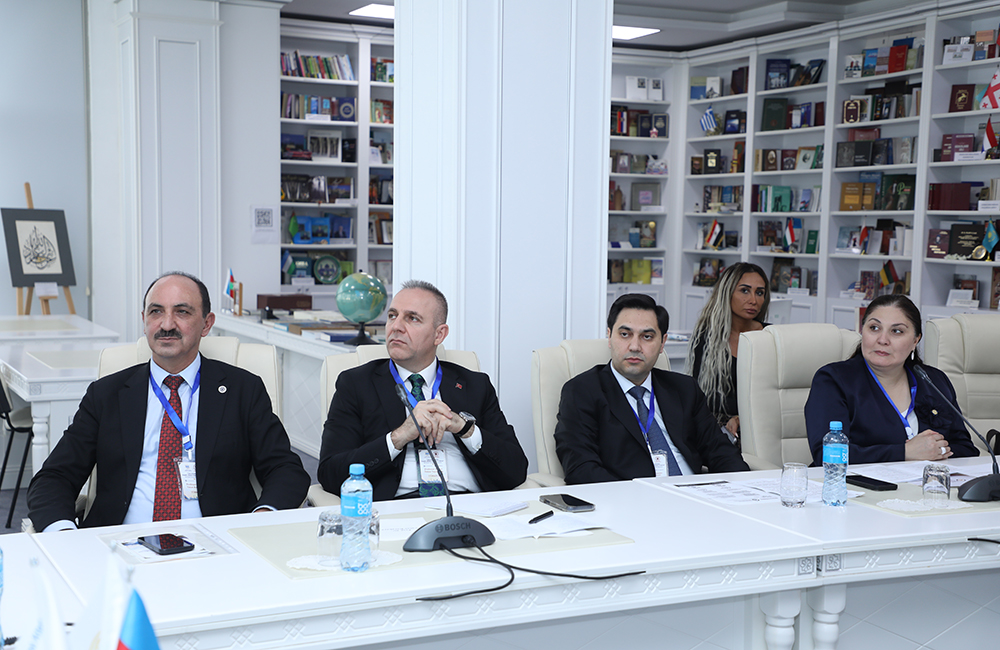
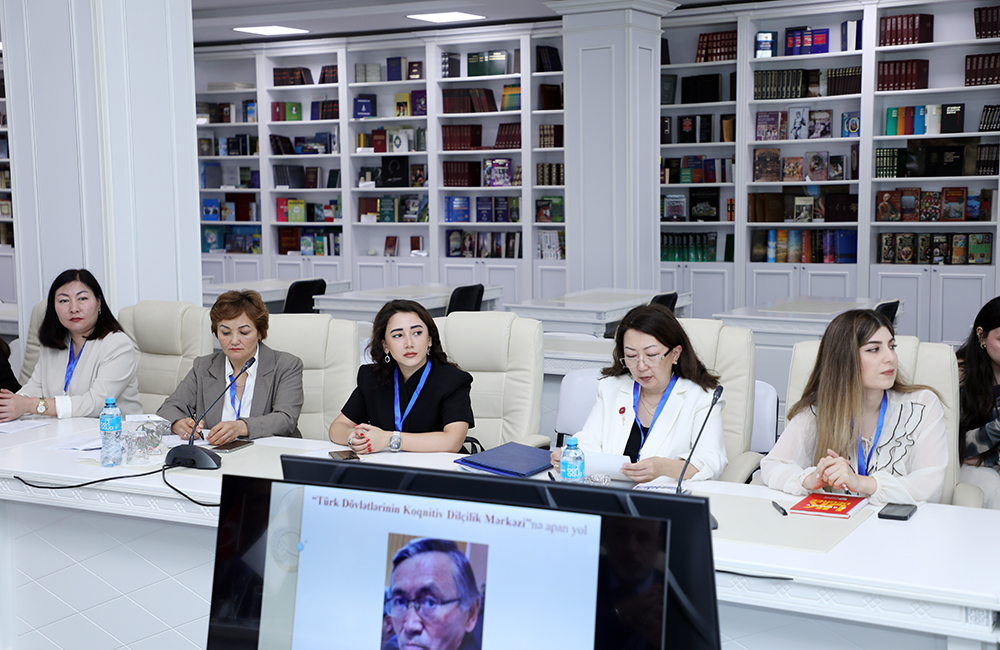
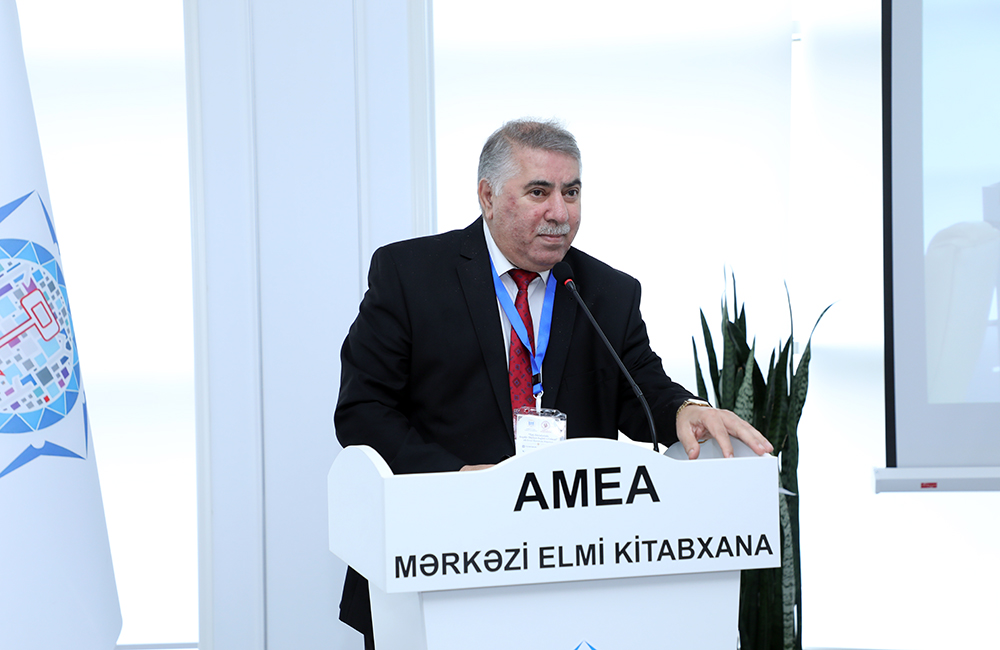
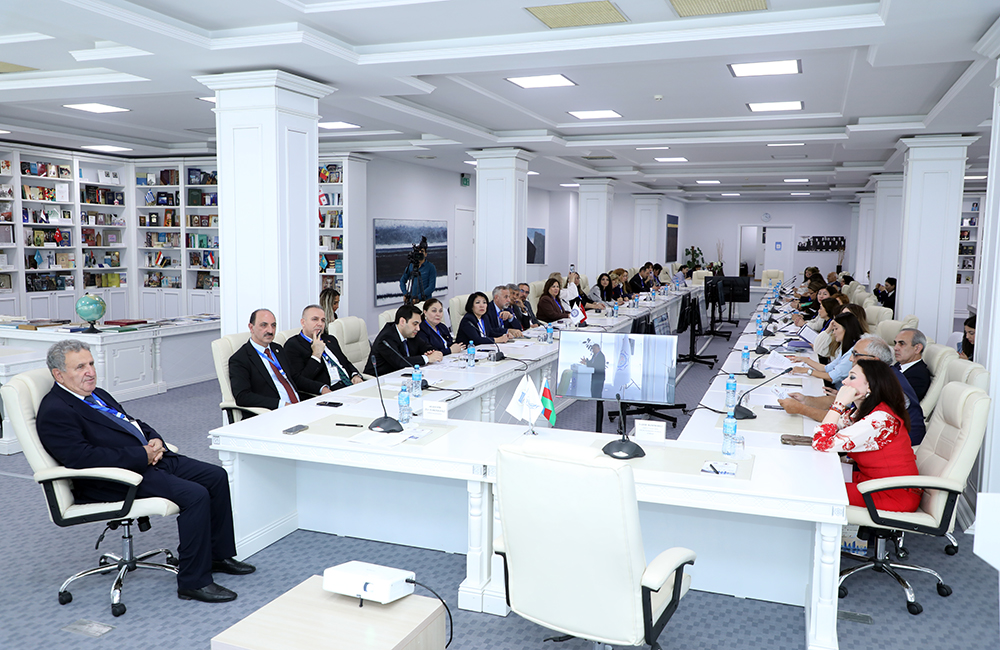
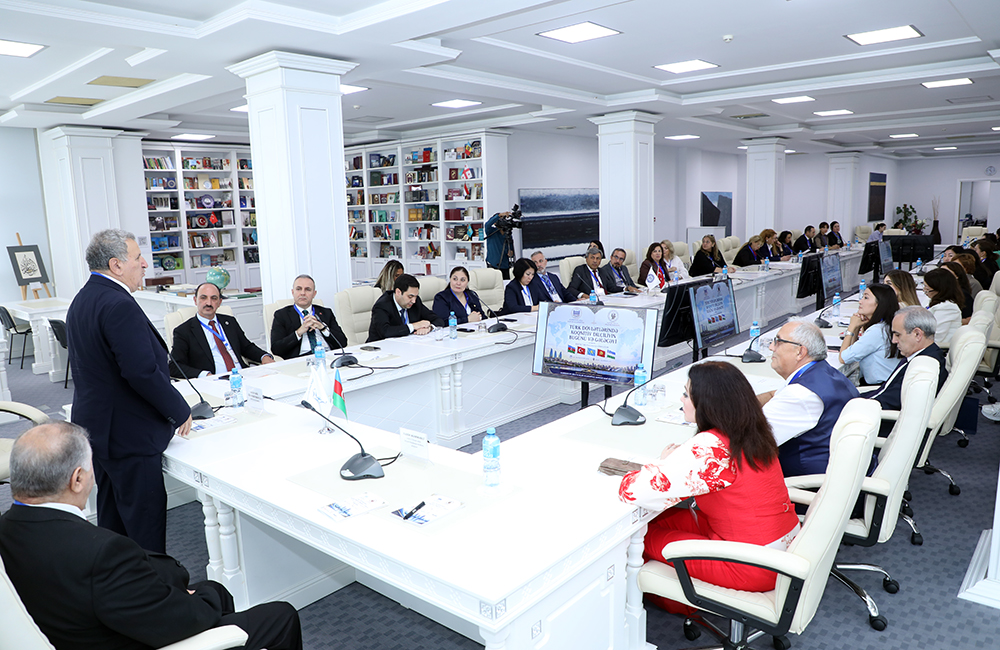
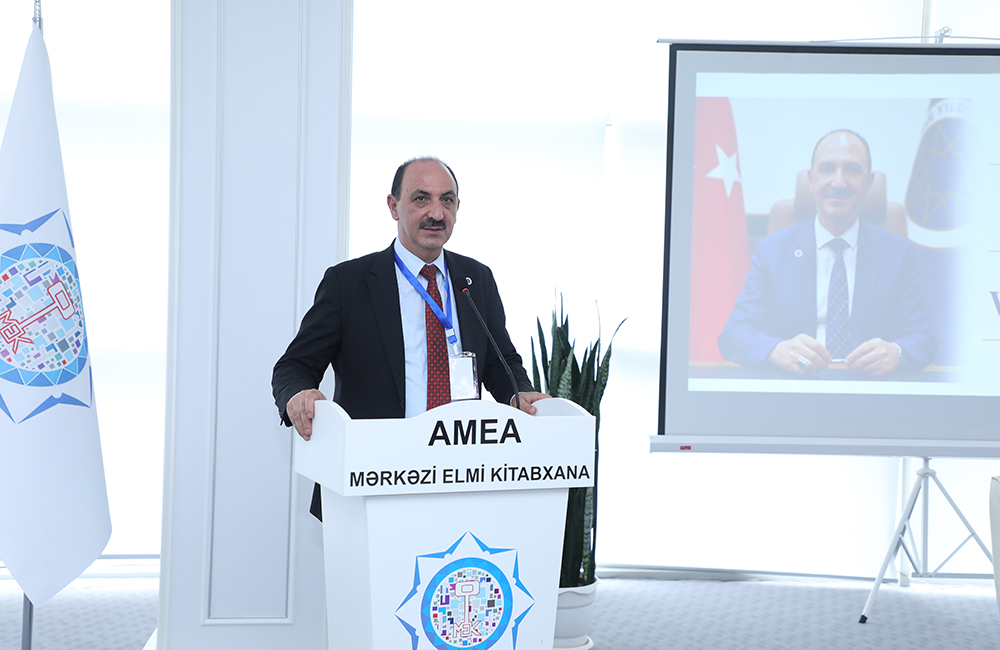
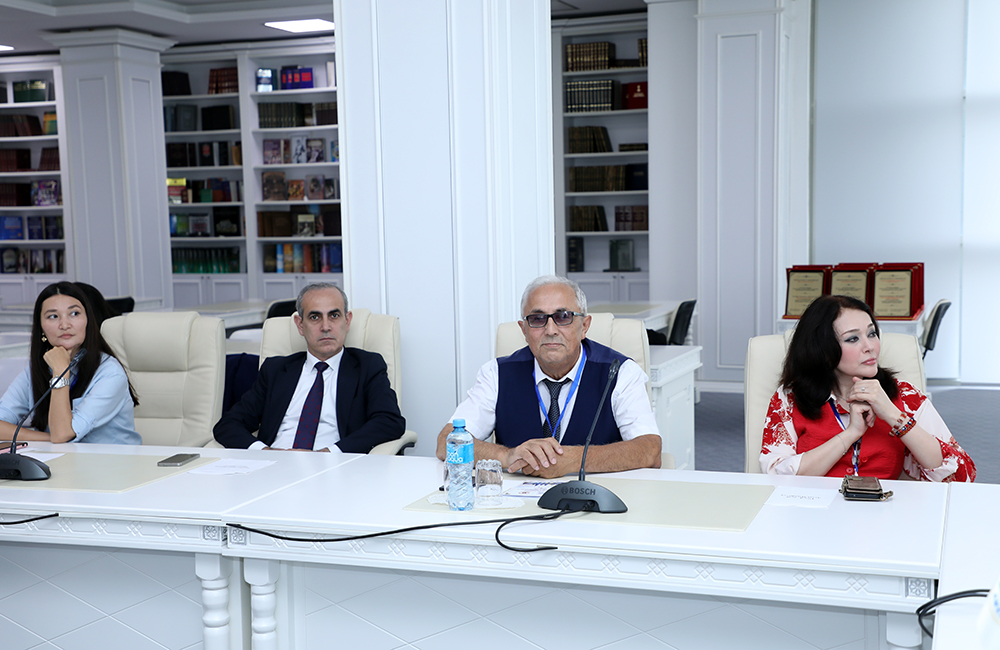
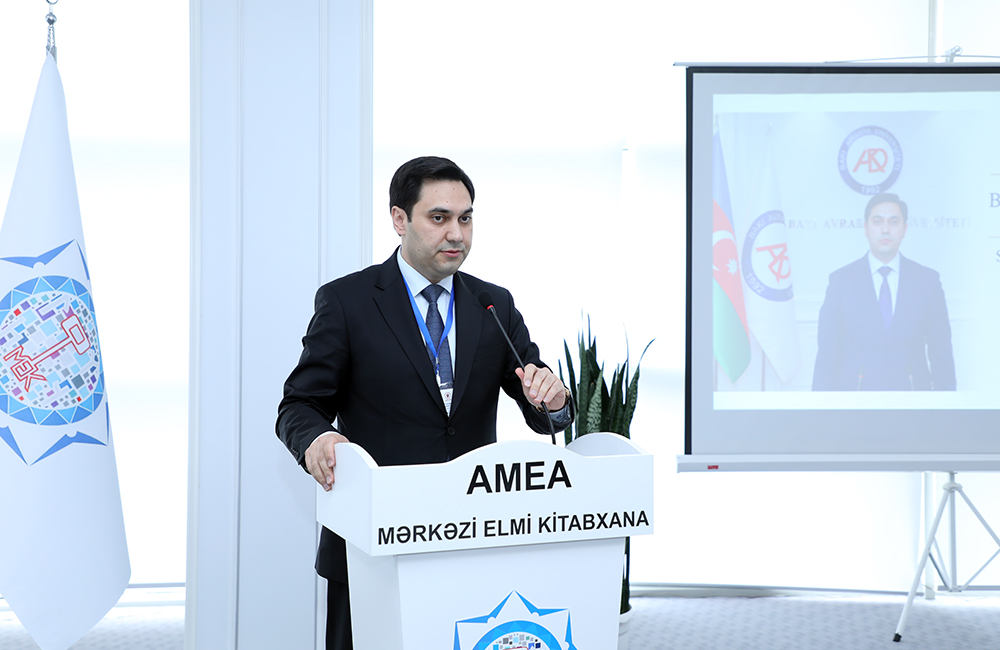
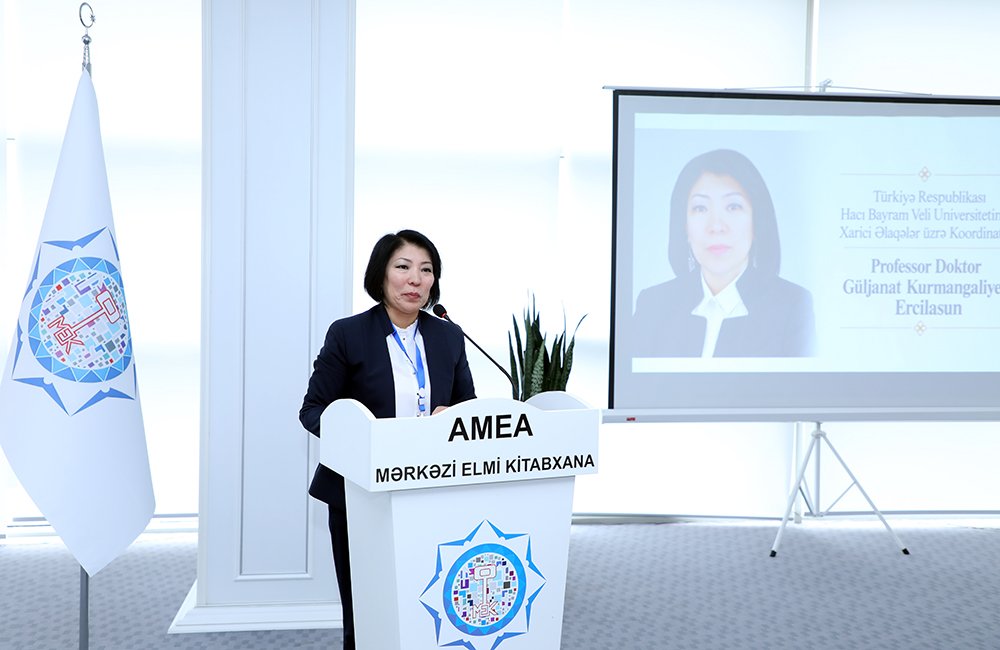
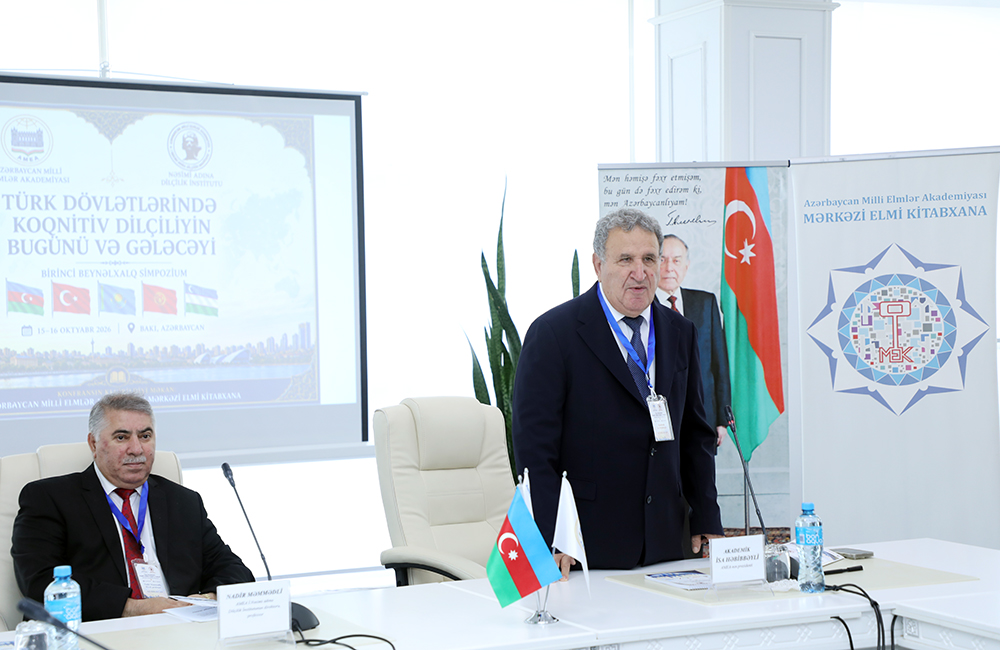
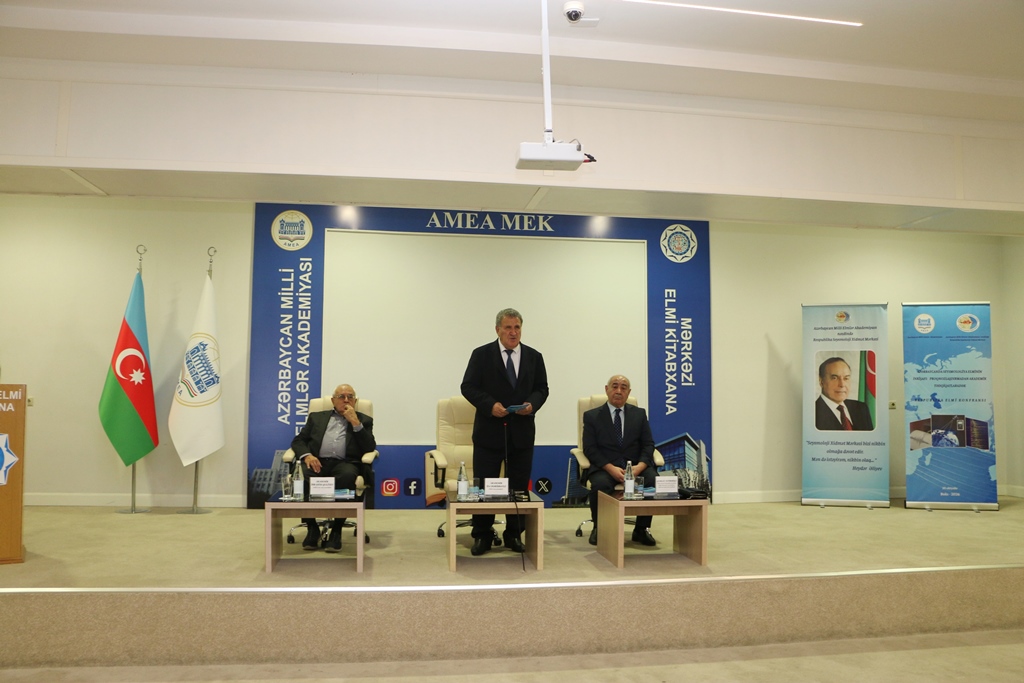
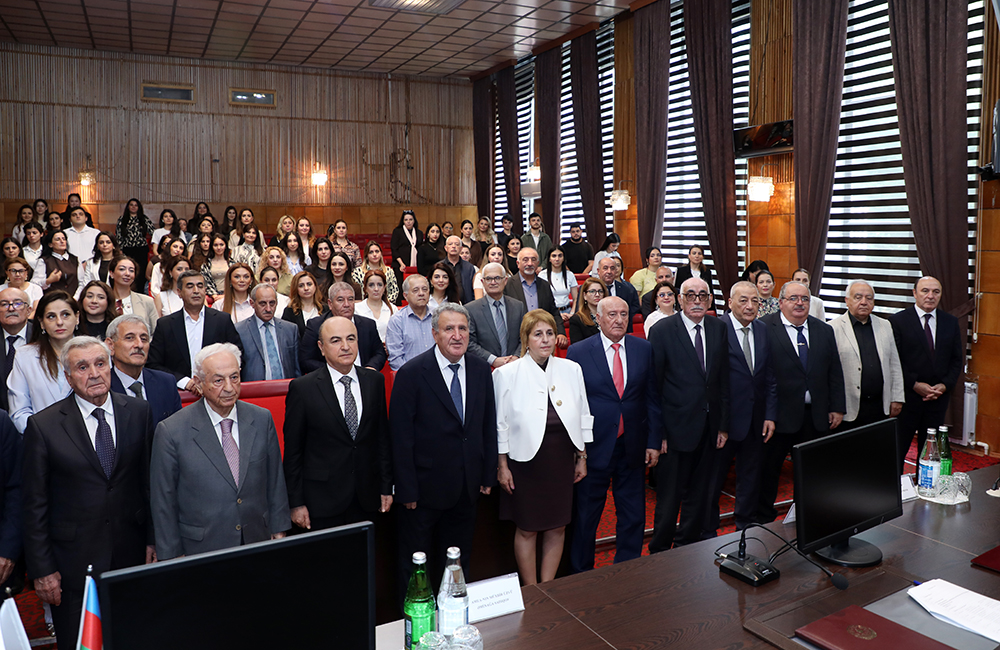
The opening ceremony of the First International Symposium entitled “The Present and Future of Cognitive Linguistics in Turkic States” was held at the Central Scientific Library of the Azerbaijan National Academy of Sciences (ANAS). The symposium was jointly organised by the Presidium of ANAS and the Institute of Linguistics named after Nasimi.
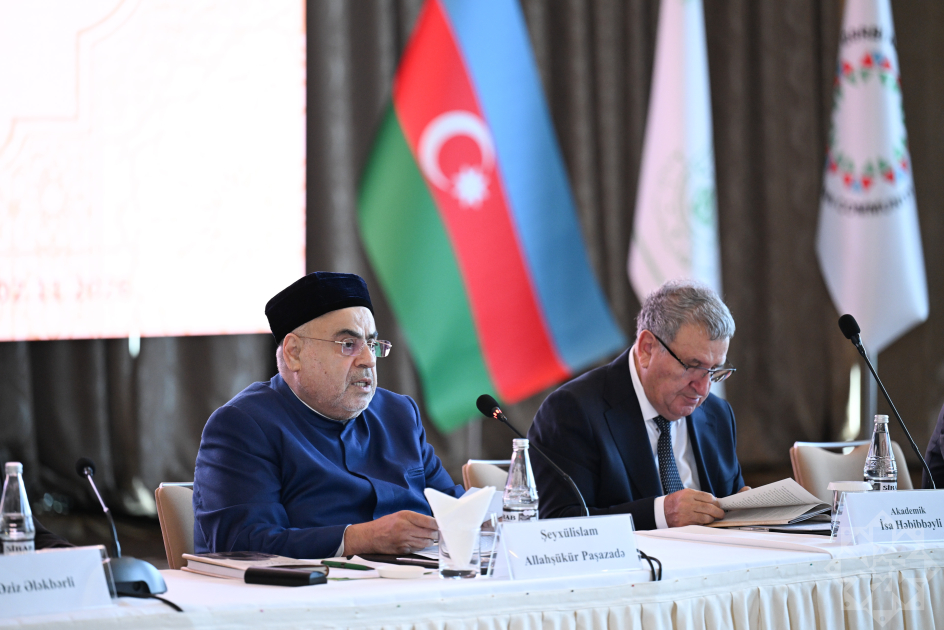
Opening the event, President of ANAS, Academician Isa Habibbayli, welcomed the guests and spoke about the scientific significance of the symposium and the prospects for the development of linguistics in the Turkic world. He noted that, in line with the strategic policy pursued by President of the Republic of Azerbaijan Ilham Aliyev to strengthen the unity of the Turkic world and expand cooperation among Turkic states, numerous initiatives had been undertaken in Azerbaijan in this field.
Academician Isa Habibbayli noted that, although cognitive linguistics has been extensively studied in a number of countries, the development of this field and the strengthening of its scientific potential in the Turkic world remain important priorities. In this regard, the symposium is significant for expanding cooperation among scholars from Turkic states, facilitating the exchange of experience, and promoting joint research in cognitive linguistics. One of the important initiatives envisaged within the framework of the event is the establishment of a dedicated scientific body to coordinate the activities of researchers in this field and bring together scholars from Turkic states.
The President of ANAS expressed his confidence that the establishment of such a body would contribute to the development of cognitive linguistics in Turkic states, the consolidation of scholars’ efforts, and the implementation of joint scientific projects.
He also emphasised the particular significance of President Ilham Aliyev’s statement, “We are strong together,” for scientific and cultural cooperation across the Turkic world. Noting that the symposium was important not only from a scientific perspective but also in socio-political terms, Academician Isa Habibbayli stated that the event would serve to strengthen unity and solidarity among Turkic peoples.
Director of the Institute of Linguistics named after Nasimi, Professor Nadir Mammadli, then addressed the gathering and highlighted the importance of cognitive linguistics in studying the shared linguistic and intellectual heritage of Turkic peoples. He described the establishment of the Centre for Cognitive Linguistics of Turkic Peoples as an important initiative for expanding intellectual cooperation across the Turkic world.
Professor Nadir Mammadli explained that cognitive linguistics makes it possible to study not only the grammatical structure of language but also the underlying patterns of thought, the mechanisms through which concepts are formed, and the relationship between language and culture. Research in this field is also significant for philosophy, psychology, anthropology, and artificial intelligence, in addition to linguistics.
The institute director emphasised that the centre could contribute to the study of the shared intellectual heritage of Turkic peoples and the development of academic ties among different Turkic languages and cultures, while also helping present research findings to the international scientific community.
Professor Mayil Asgarov, Head of a Department at the Institute of Linguistics, noted in his address that cognitive and psycholinguistic approaches enable a deeper examination of various issues in Turkic languages and provide a scientific basis for explaining the internal regularities of language.
Professor Mayil Asgarov also highlighted the importance of discussing the development of a common language of communication among Turkic peoples. “The centre to be established should contribute to the mutual enrichment of Turkic languages, the identification of their shared linguistic features, and the strengthening of cultural and scientific integration among Turkic states,” he said.
The department head stated that the principal objective was to bring Turkic languages closer together on a scientific basis by carrying out the tasks set out in the centre’s charter.
Other speakers at the event included Professor Vatan Karakaya, Vice-Rector of Yildiz Technical University in Türkiye; Seyavush Gasimov, Rector of Baku Eurasian University and PhD in Political Science; Professor Guljanat Kurmangaliyeva Ercilasun, Coordinator for International Relations at Ankara Haci Bayram Veli University in Türkiye; Professor Janar Ibrayeva, a representative of Al-Farabi Kazakh National University; Professor Ibrahim Sahin of Ege University in Türkiye; and Professor Suleyman Efendioglu of Ataturk University.
The speakers highlighted the importance of studying and developing Turkic languages, expanding scientific research in cognitive linguistics, strengthening academic cooperation among Turkic states, and establishing common scientific platforms. They noted that the symposium was of great significance for identifying new directions in linguistic research across the Turkic world and advancing international scientific cooperation.
A video address by Anar Faziljan, Director of the A. Baitursynuly Institute of Linguistics of Kazakhstan, was also presented at the event.
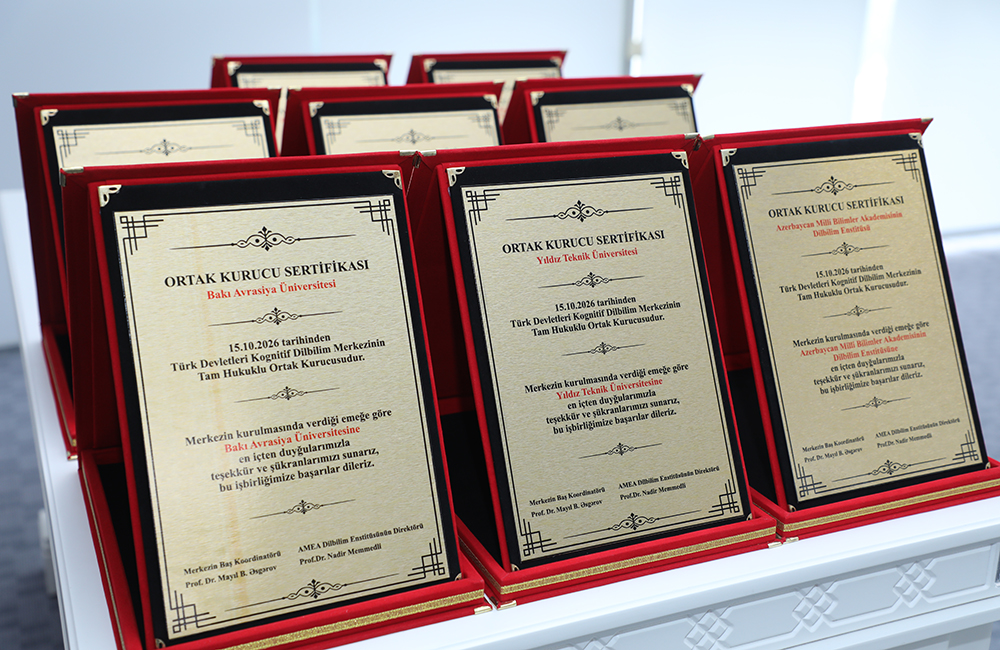
Subsequently, the establishment of an international research association entitled the “Centre for Cognitive Linguistics of Turkic States” was announced. “Co-Founder Certificates” were presented to the centre’s co-founders.
The First International Symposium on “The Present and Future of Cognitive Linguistics in Turkic States” continued with parallel sessions.
The two-day event will feature presentations on topics including “Metaphorical Models of the Internet Concept (Based on Azerbaijani and Turkish Data),” “Discourse Markers in the Azerbaijani Language: Syntactic Structure and Communicative Function,” “The Cultural Associations of Paralinguistically Conditioned Phraseological Units,” “Some Metaphors Associated with the Concept of ‘Language’,” “Variations in Modes of Expression in Cognitive Linguistics,” and “Structural Analysis of Cognitive Frames in Turkic Languages,” among other subjects.
Translation by Gulhane Aghayeva, Department of Public Relations, Press, and Information, Presidium of ANAS.
© All rights reserved. When using these materials, reference to www.science.gov.az is required.
Similar News
Links