Azerbaijan National Academy of Sciences
The first website of Azerbaijan (1995)
 Elm TV
 Photo
 Video
- A-
- A
- A+
A Scientific and Creative Conference on “The Literary Process – 2025” Held at ANAS
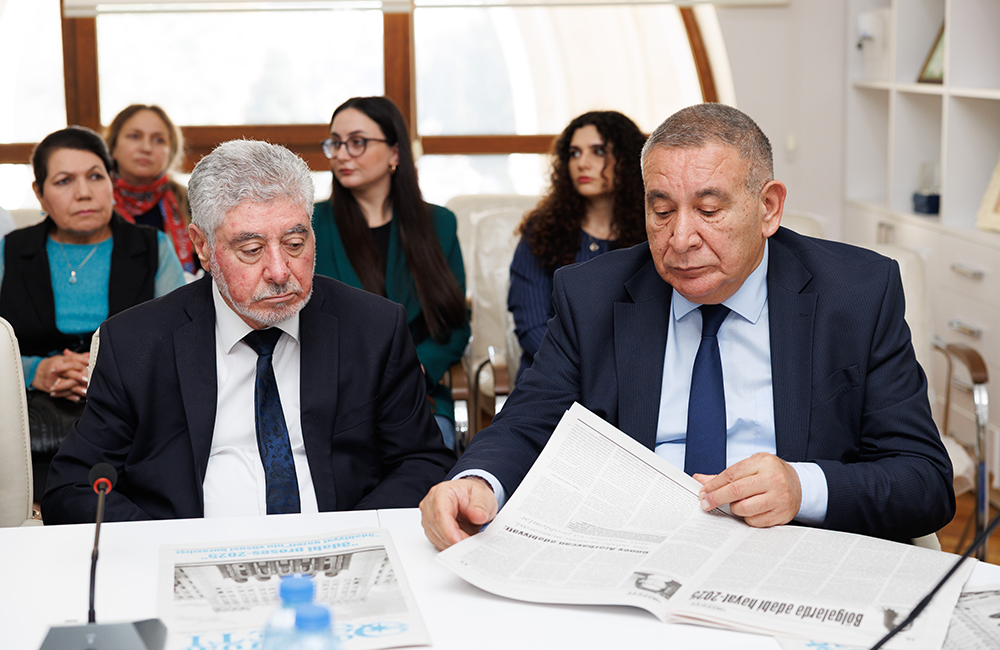
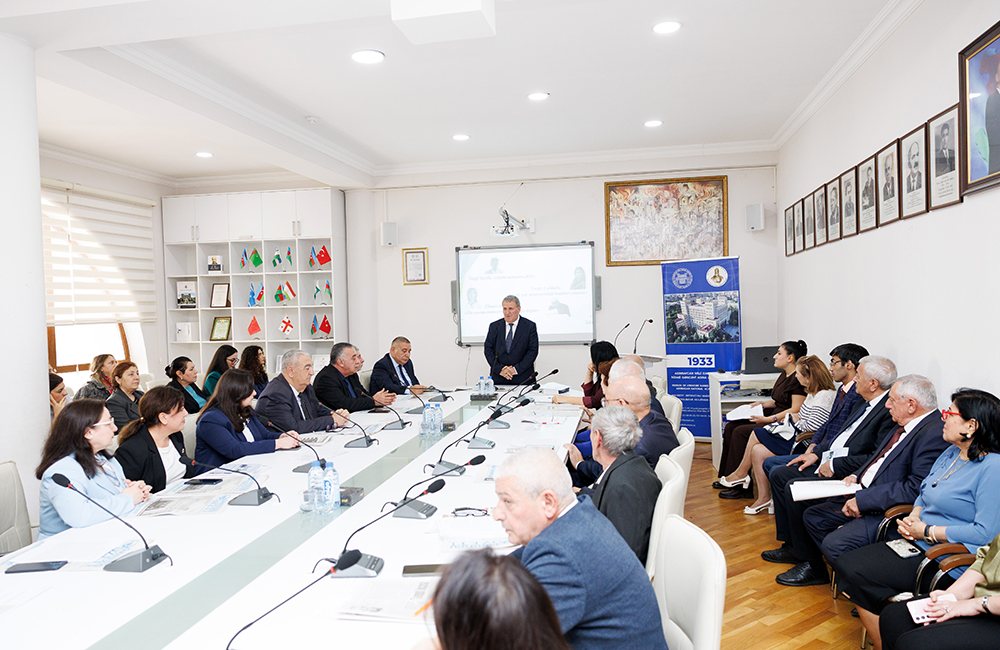
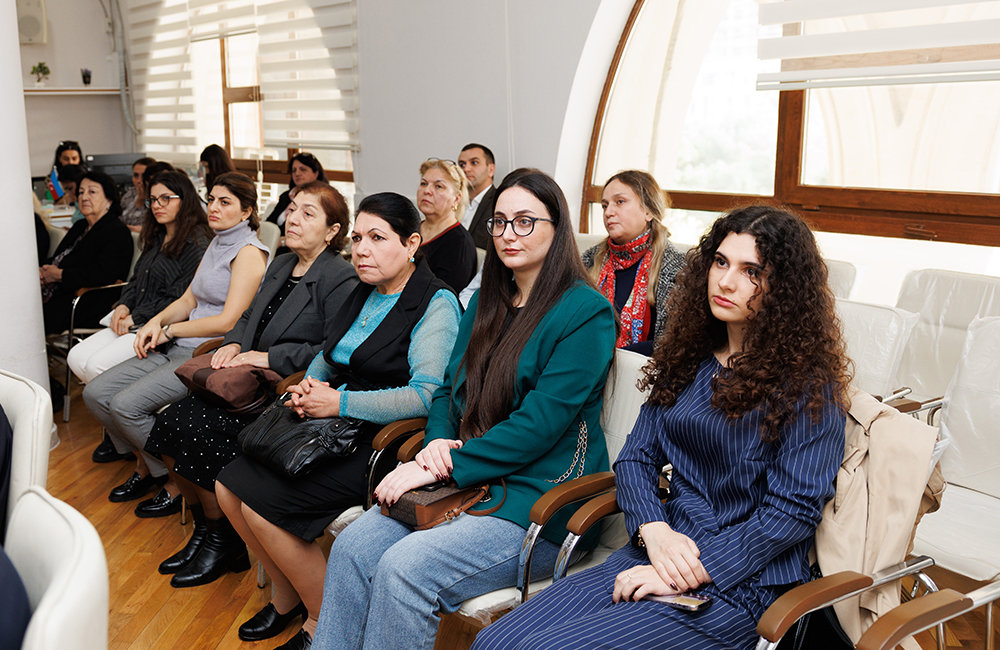
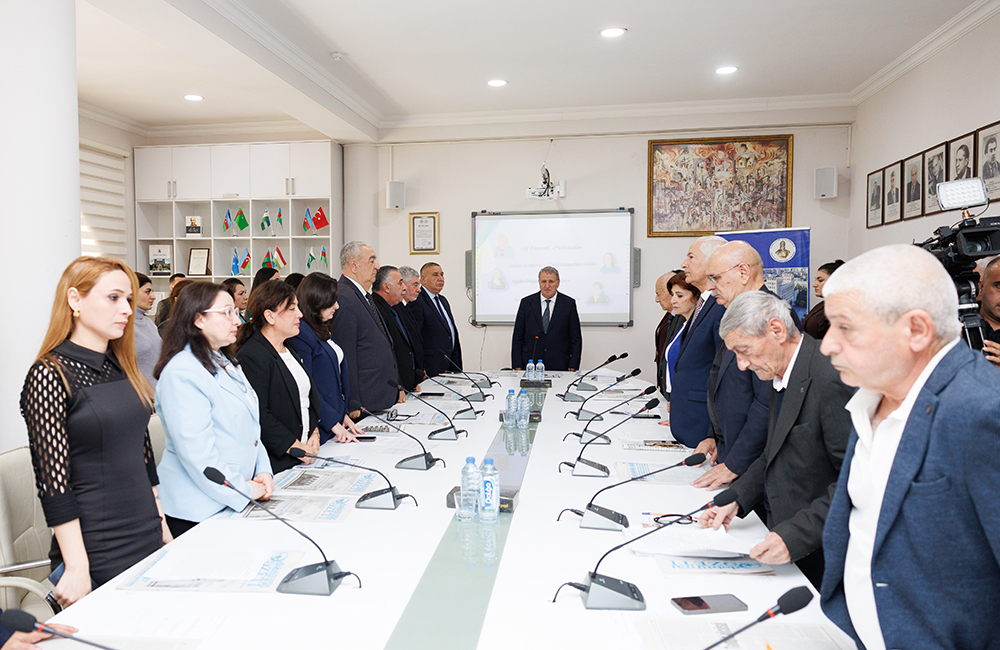
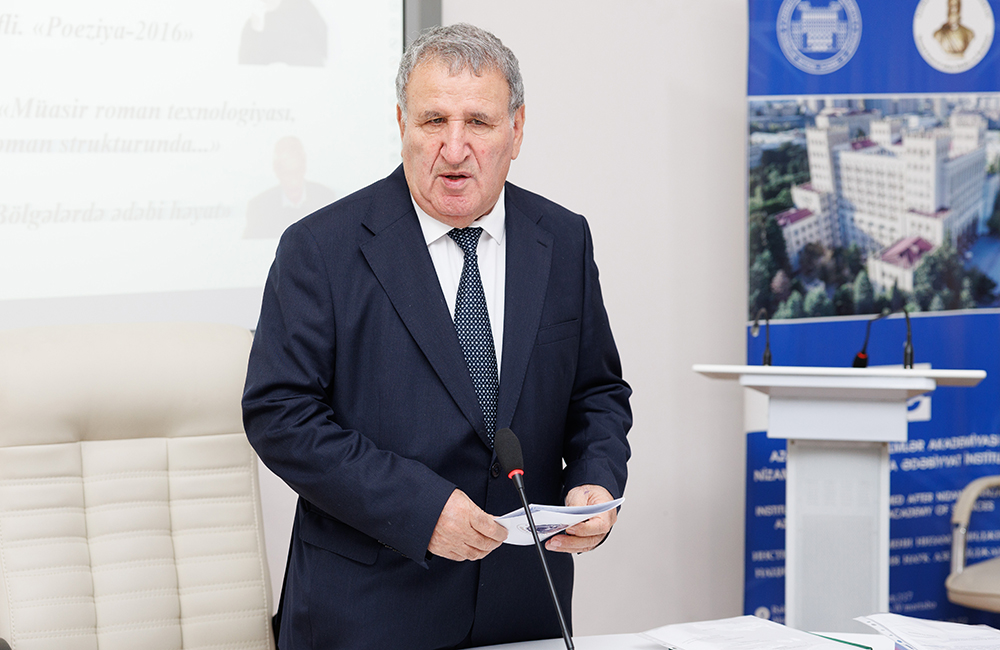
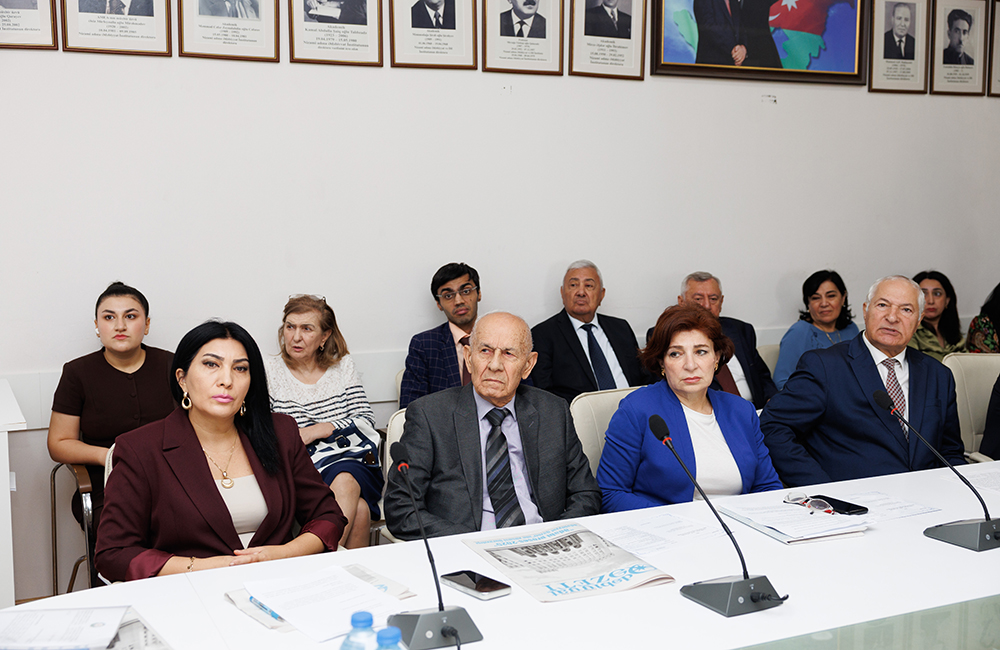
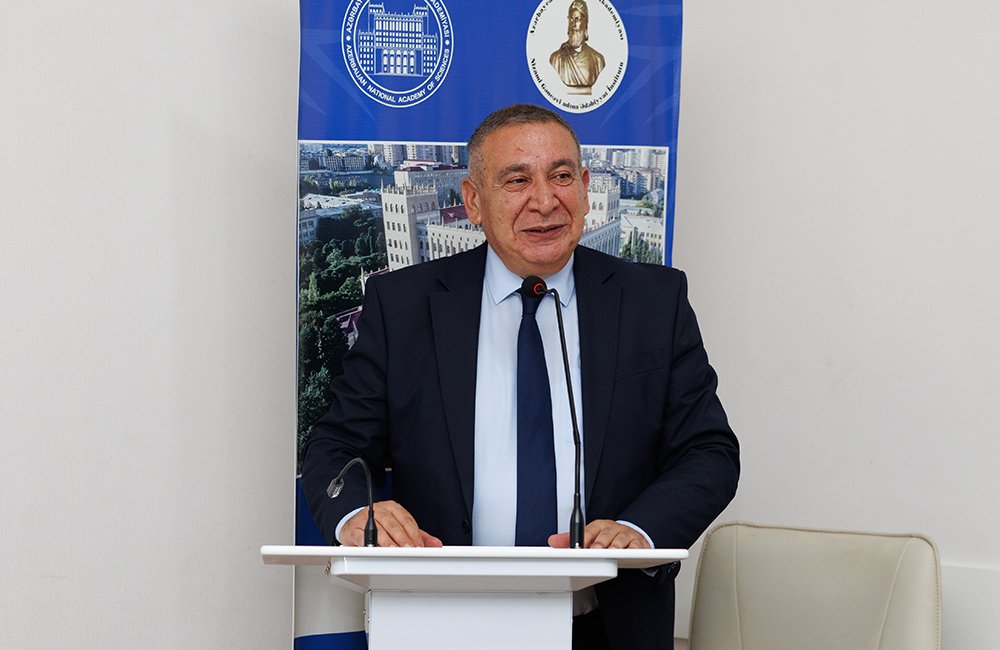
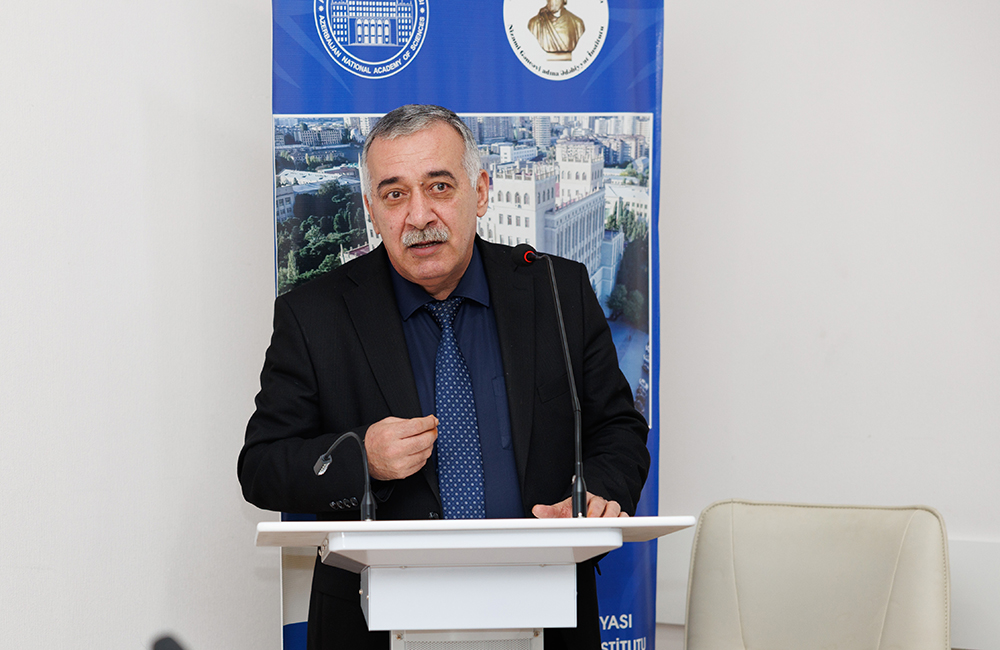
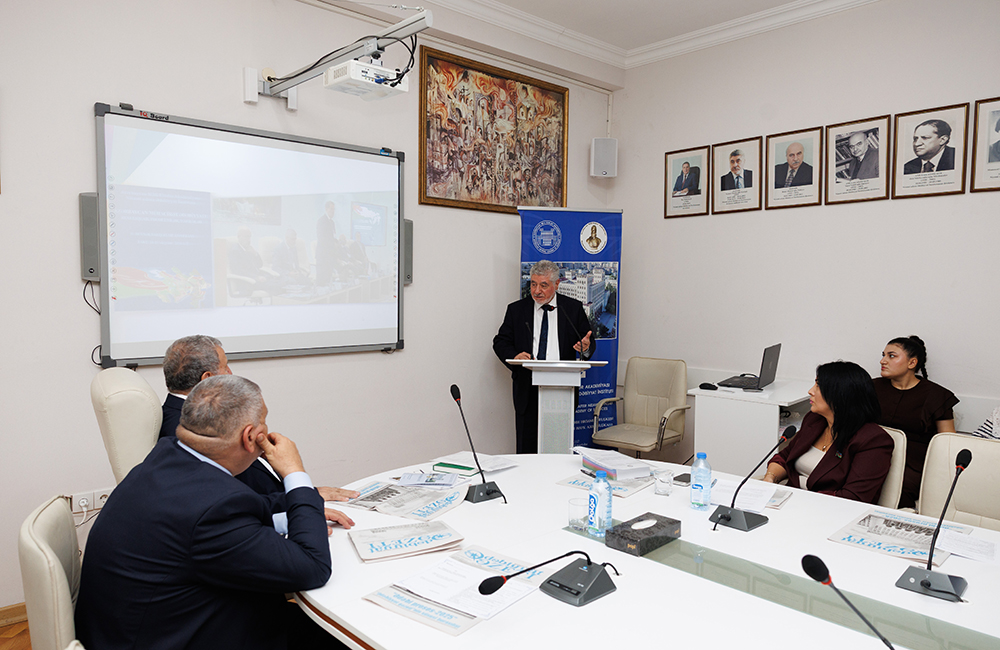
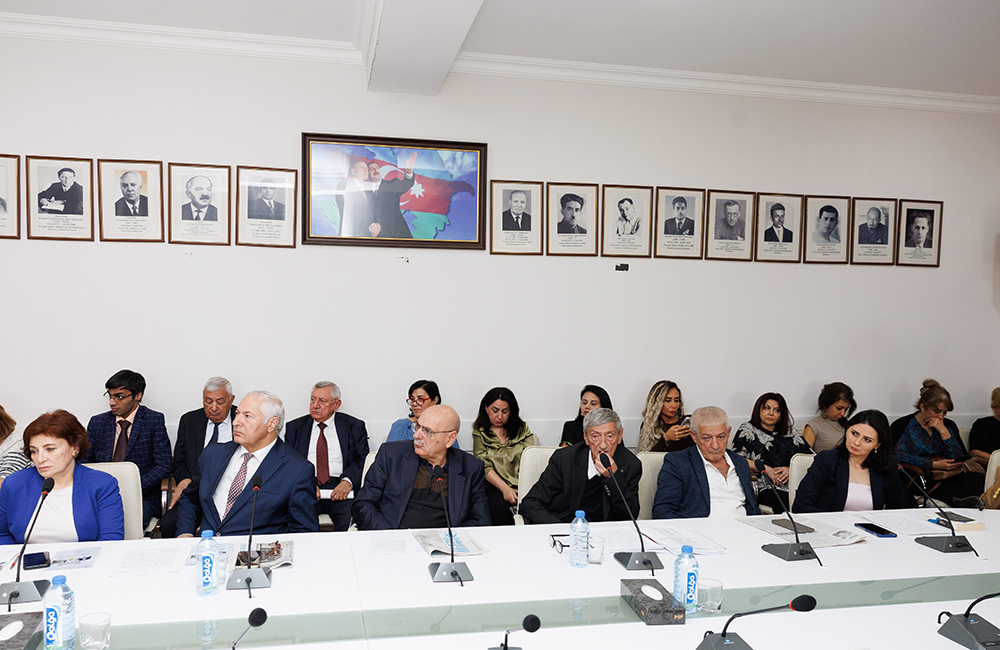
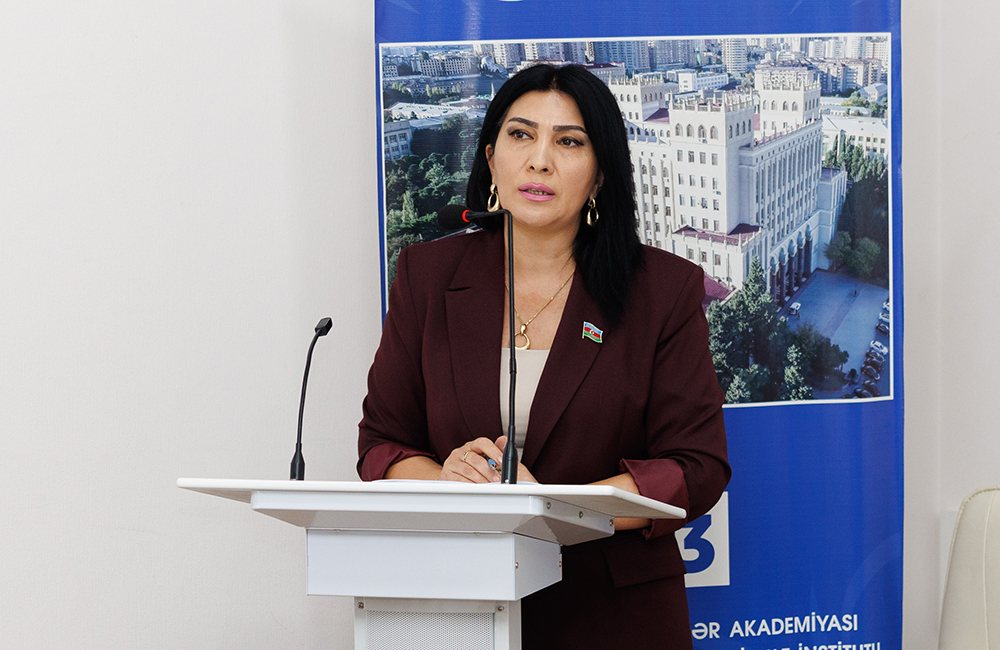
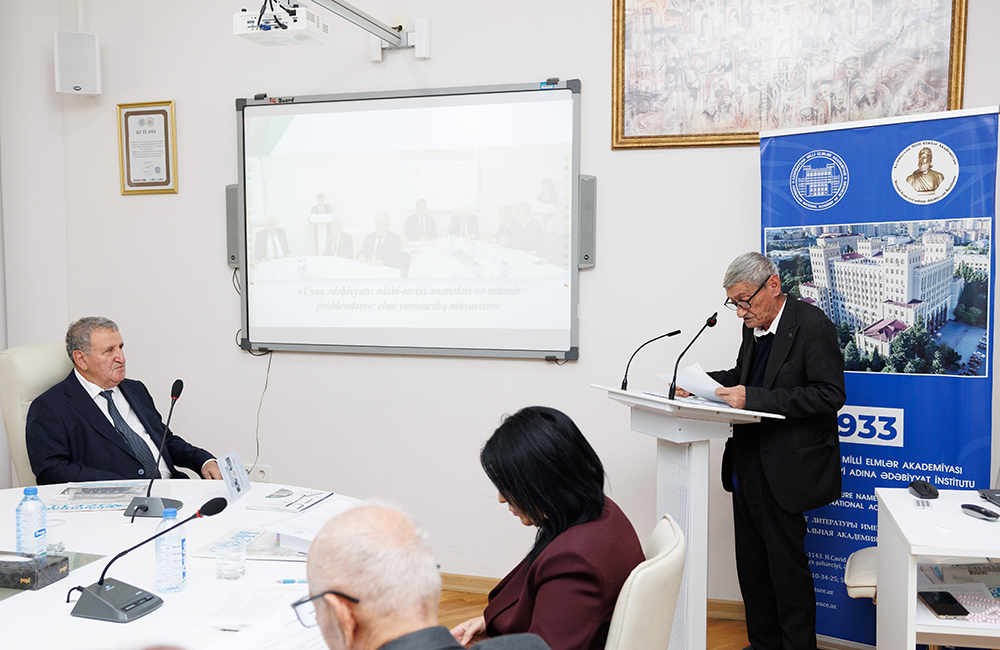
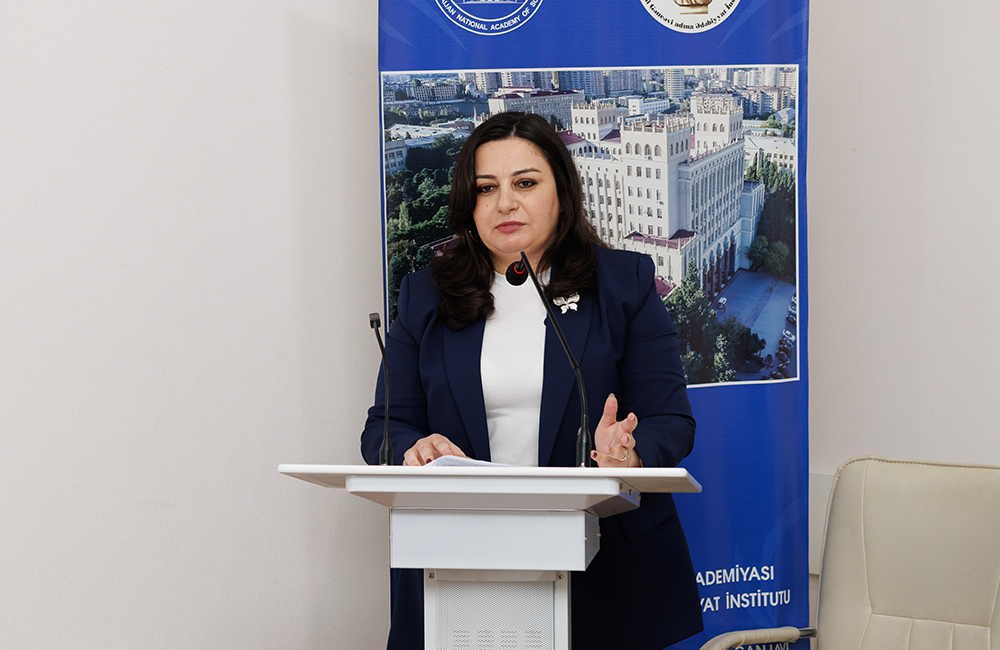
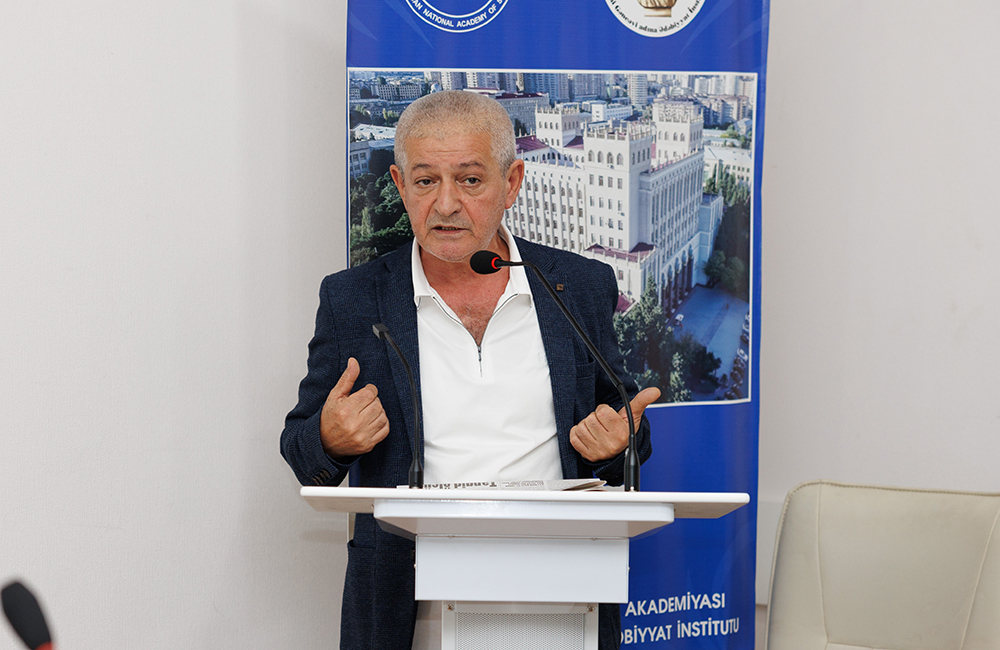
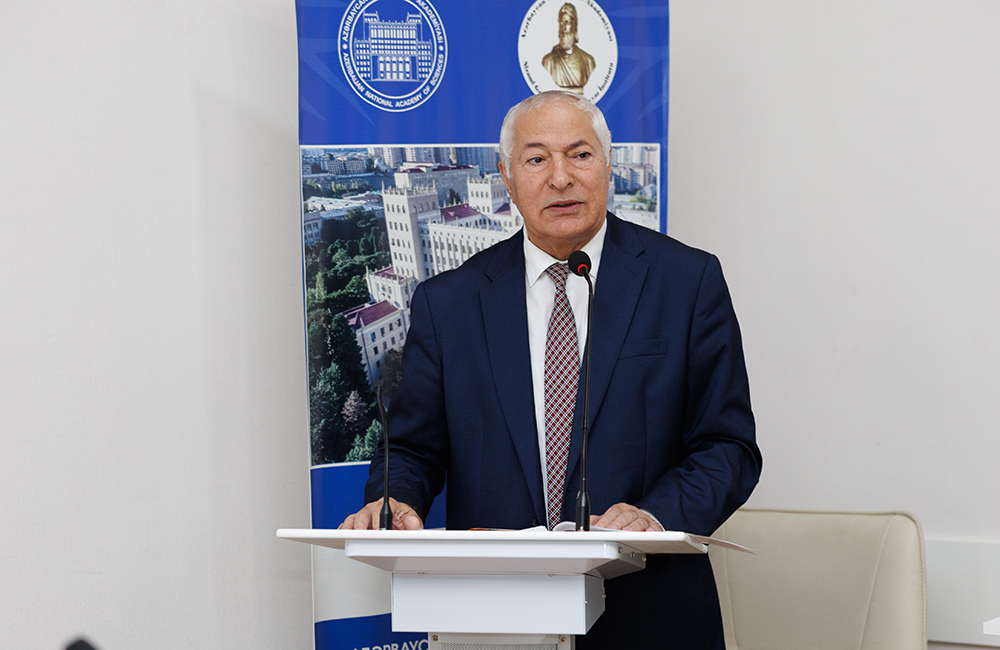
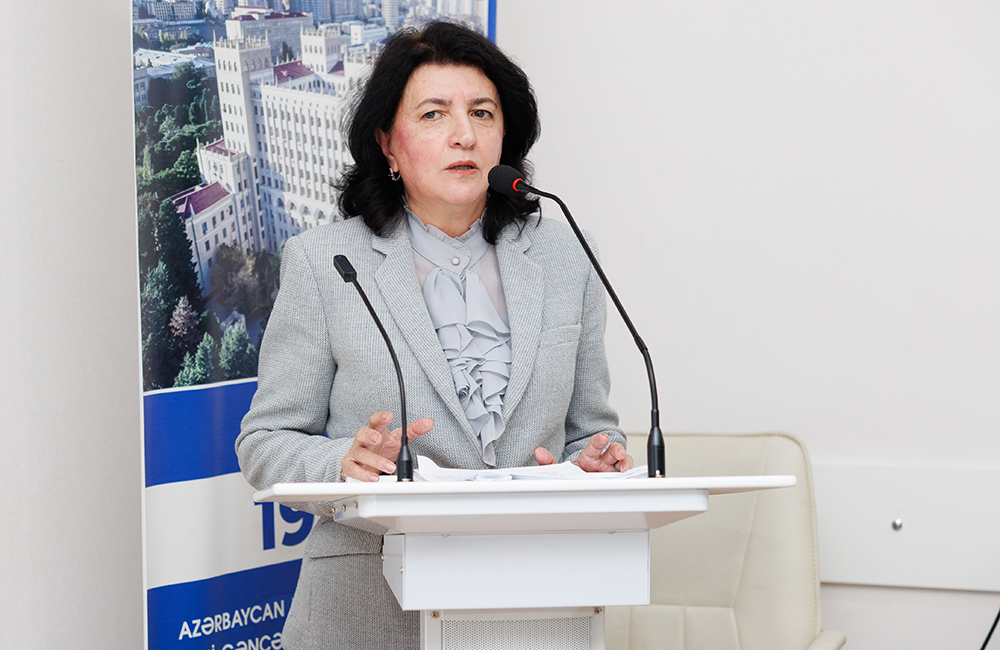
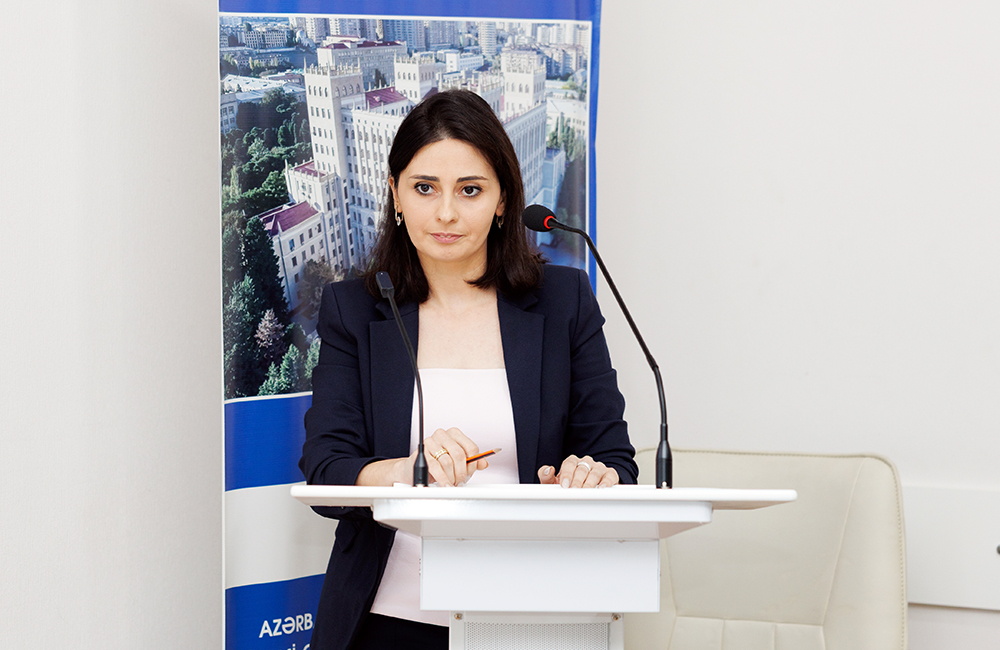
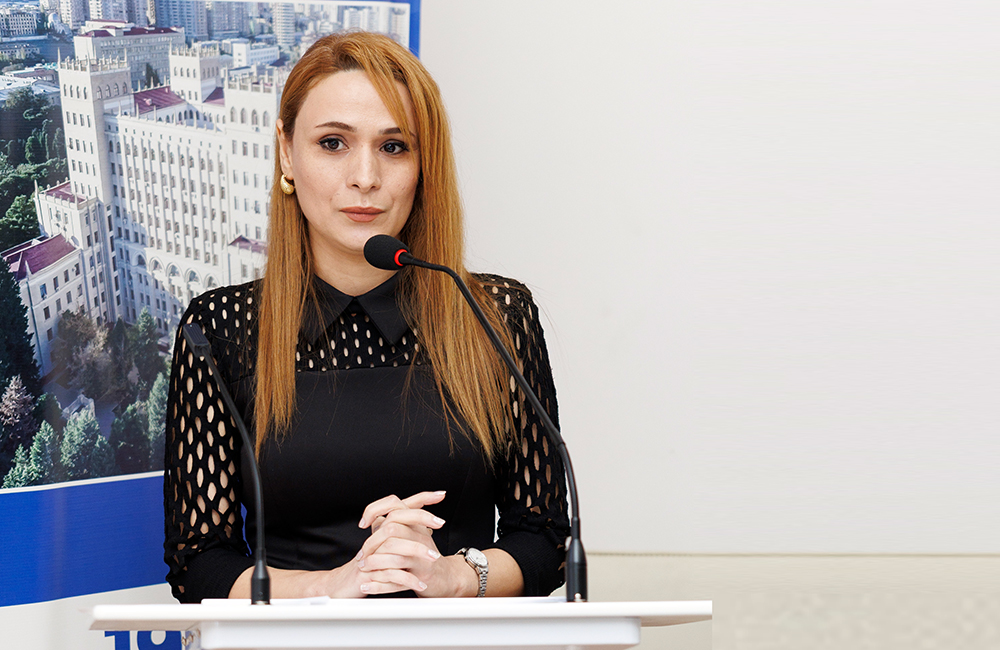
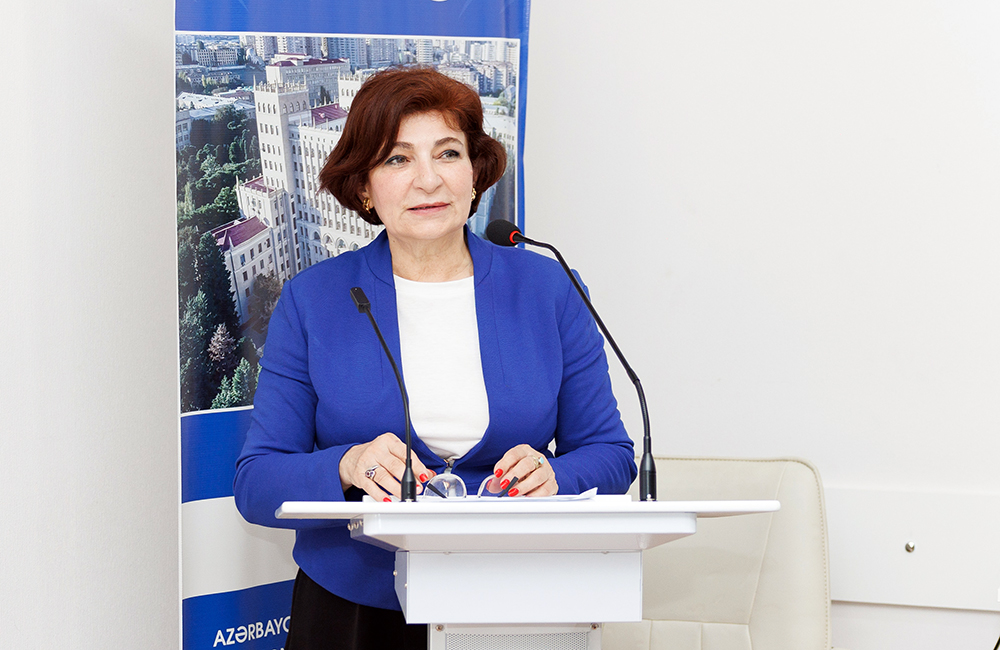
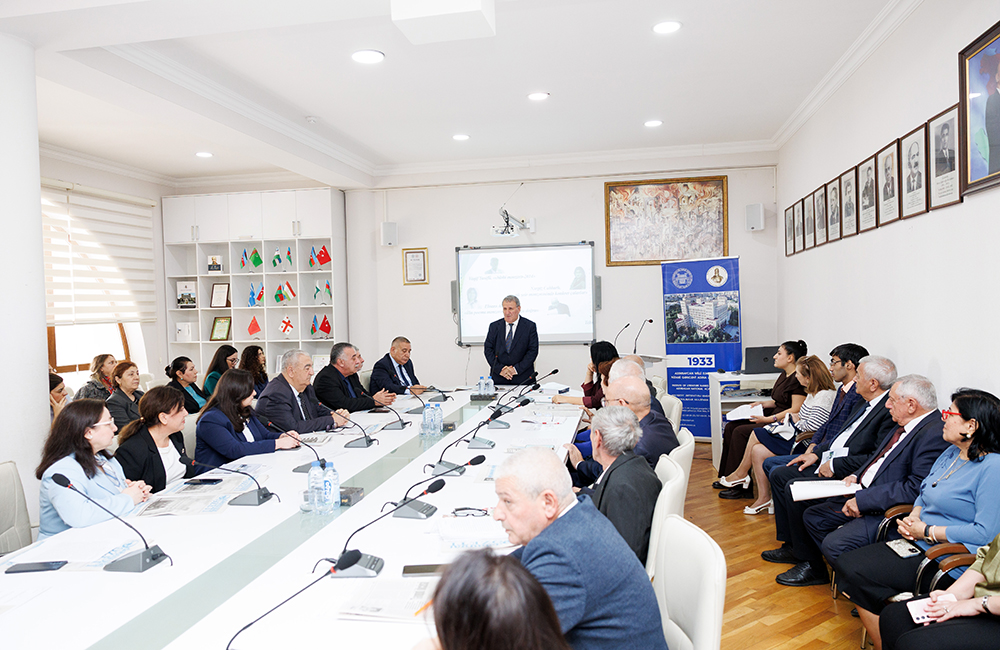
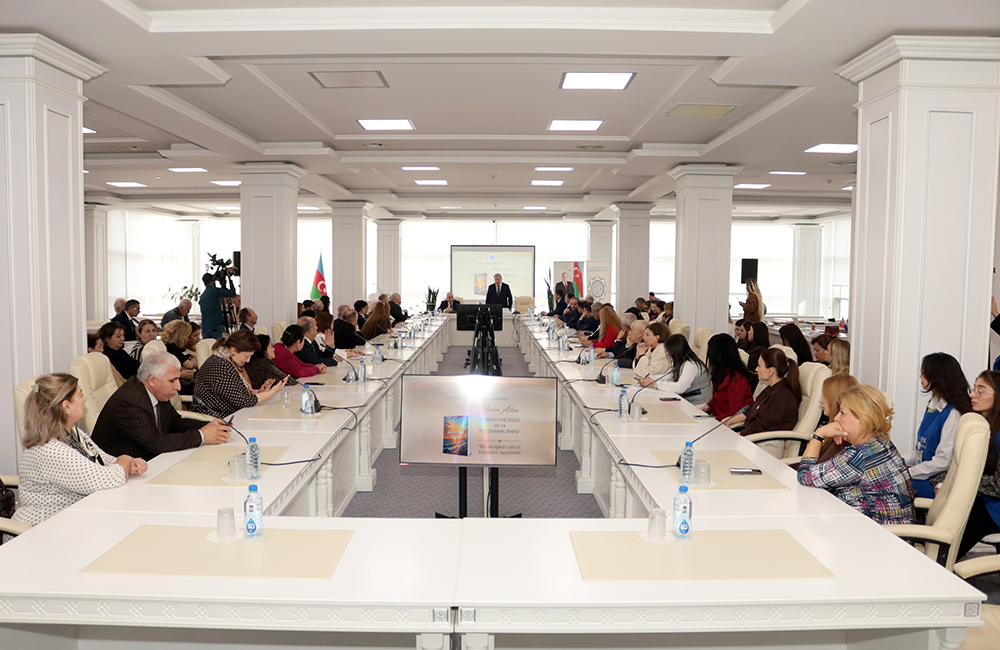
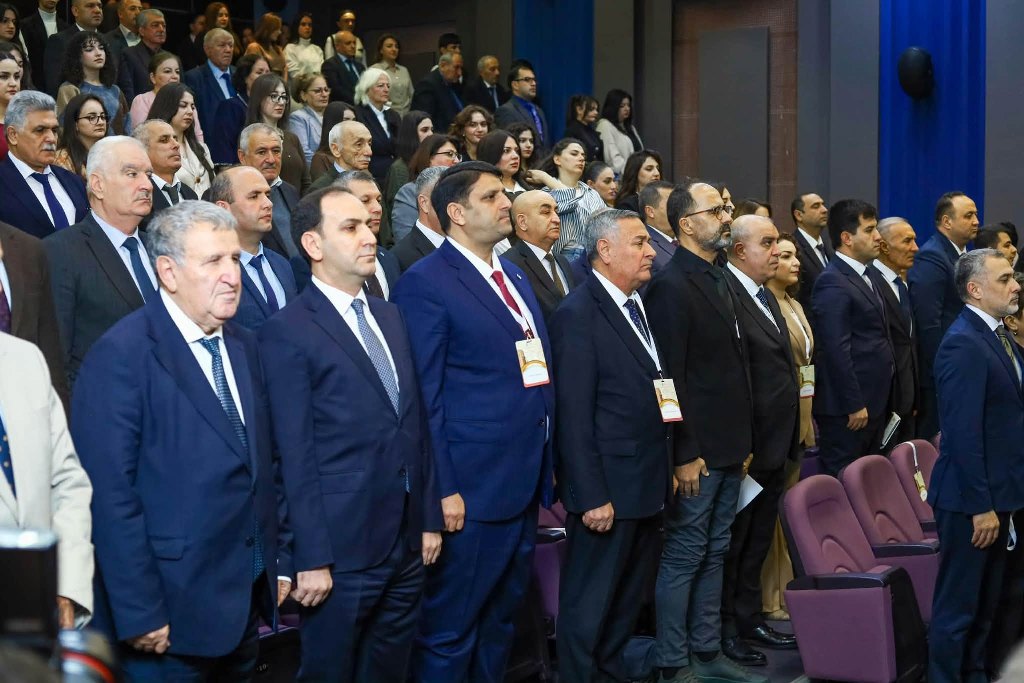
On November 4, a scientific and creative conference entitled “The Literary Process – 2025” was held at the Institute of Literature named after Nizami Ganjavi of ANAS.
The event was attended by President of ANAS and Director of the Institute of Literature, Academician Isa Habibbayli; Member of Parliament and Doctor of Philological Sciences Elnara Akimova; Deputy Chairman of the Azerbaijan Writers’ Union (AWU) and Editor-in-Chief of “525th Newspaper” Rashad Majid; Editor-in-Chief of “Literature Newspaper” Azer Turan; scholars from the Institute of Literature; prominent writers; literary scholars; media representatives; and other guests.
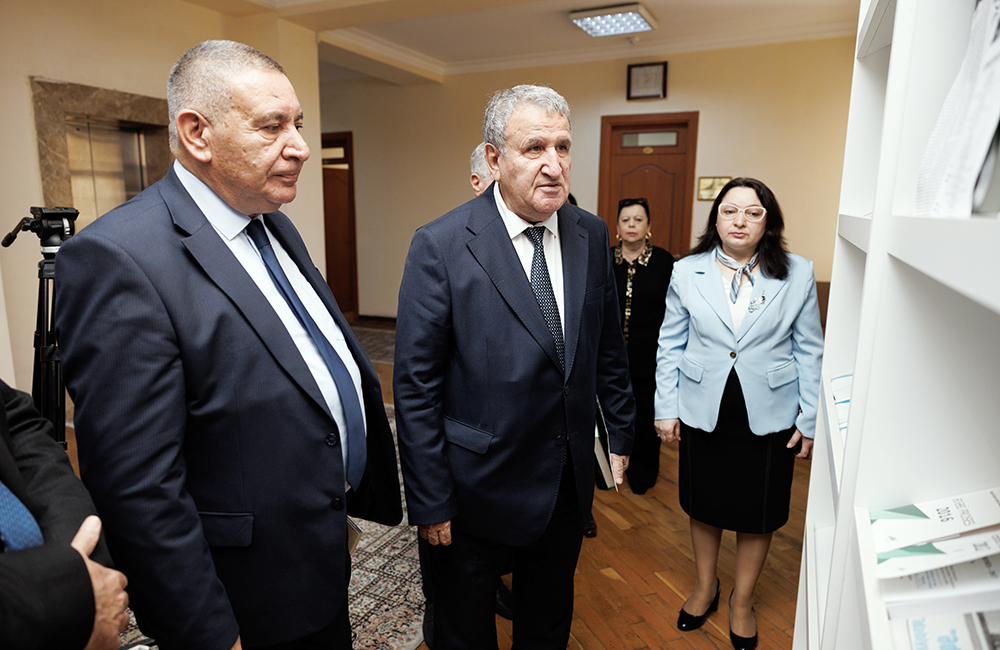
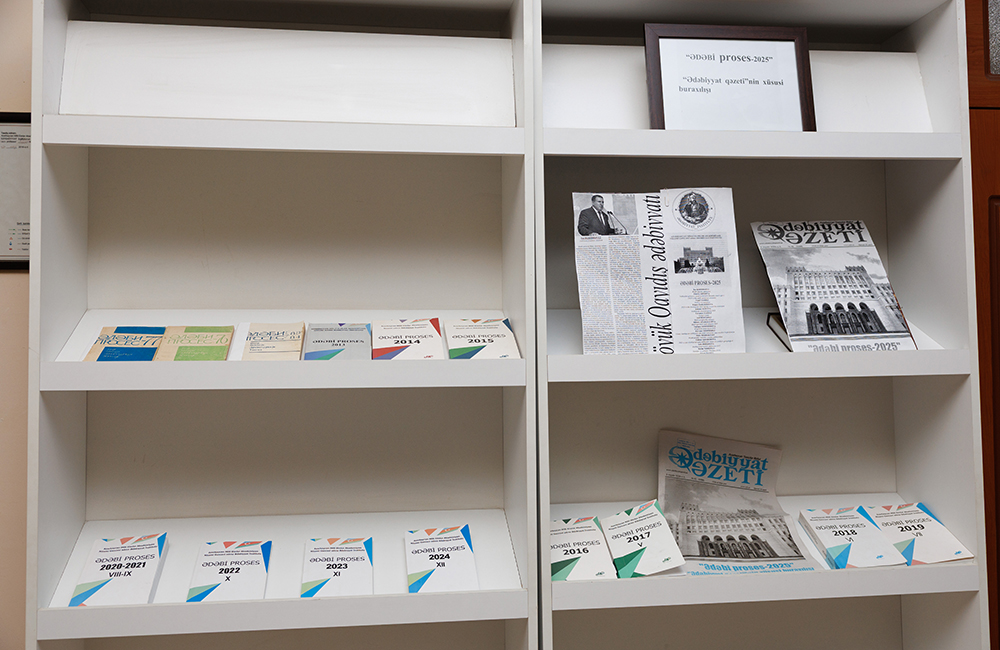
Prior to the conference, participants viewed an exhibition in the foyer featuring publications documenting the scientific and creative conferences held under the title “The Literary Process.”
Opening the conference, President of ANAS and Director of the Institute of Literature, Academician Isa Habibbayli, noted that the literary process in the years following the Second Karabakh War had largely been shaped by the discourse of Victory. He emphasized that this was a natural development in literature.
Delivering a report entitled “The Literature of the Great Return,” Academician Isa Habibbayli stated that the Victory in Karabakh and the Great Return had found expression in the literary landscape of 2025 through new content and approaches in literary works. He noted that the historic Victory achieved in Karabakh was a major theme that would remain relevant to Azerbaijani literature for many years and provide a basis for the creation of substantial literary works across various genres.
Academician Isa Habibbayli emphasized that, following the Victory, its initial emotional expression in literature was gradually giving way to a deeper stage of understanding and analysis. While literary works in previous years had focused primarily on memories of war and the painful experiences of the periods of refugeehood and forced displacement, in 2025 there was a growing tendency to present the First Karabakh War, the Patriotic War, and the Great Return process within a unified historical context.
According to him, the Great Return is not merely the resettlement of people in their ancestral lands, but also a process of restoring historical memory, national identity, and life itself. In this regard, alongside the joy and excitement associated with returning to one's homeland, new literary works increasingly address the recollection of the tragic events of the past, an understanding of the consequences of war, and the artistic expression of the historical significance of the Victory achieved.
“The emergence in 2025 of works of prose and drama addressing the theme of the Great Return demonstrates that a new literary stage has begun in this direction,” the head of ANAS stated. He noted that, alongside individual poems and short stories, there was a need to explore the subject on a broader epic scale, particularly through novels and plays. Academician Isa Habibbayli also highlighted the importance of developing literary creativity in the regions and identifying the creative potential of local authors. He further emphasized the significance of Azerbaijani literature creating artistic works that would gain recognition and acceptance not only within the country but also internationally.
Speaking at the event, Deputy Chairman of the Azerbaijan Writers’ Union and Editor-in-Chief of “525th Newspaper” Rashad Majid emphasized the importance of discussing the literary process of 2025 in establishing quality standards in literary creativity. He noted that numerous poems, short stories, and novels had already been written on the themes of the Victory in Karabakh and the Great Return. While some of these works demonstrated high artistic quality, others were largely characterized by stereotypical approaches. He stressed that scholarly discussions and critical analyses of the literary process could make a significant contribution to improving the artistic and aesthetic quality of works addressing these themes and encouraging a deeper exploration of the subject matter.
Rashad Majid also described the Baku International Book Fair as a noteworthy event for studying the literary process and proposed that its impact on the literary environment, reader interest, and publishing activities be examined as a separate research topic in the coming years. He pointed out the growing interest in detective fiction at the fair and noted that young authors were addressing themes such as war, families of martyrs, the moral and psychological state of society, and differences in the worldviews of different generations. The Deputy Chairman of the AWU stated that literary criticism of these works would help identify emerging literary trends.
Referring to the reader engagement he had observed at the book fair, Rashad Majid emphasized that the interest shown in books, including works by foreign authors, by people from different age and professional groups confirmed the existence of a broad reading audience in Azerbaijan. He stated that it would be appropriate for future “The Literary Process” conferences to include separate analyses of the Baku International Book Fair, contemporary detective fiction, and the creative work of a new generation of authors.
In his remarks, Editor-in-Chief of “Literature Newspaper” and Doctor of Philosophy in Philology Azer Turan drew attention to the impact of the rapid development of artificial intelligence on literature and the spiritual values of humanity as a whole. He noted that artificial intelligence had already penetrated all areas of life and was increasingly involved in the production of literary texts, musical compositions, and other creative works. He pointed out that the emergence of literary works generated through artificial intelligence required new approaches to the concepts of authorship, creativity, art, and artistic value.
Azer Turan noted that although texts and musical compositions generated by artificial intelligence attracted a certain degree of interest, the question of whether they possessed the spirit, emotional experience, and moral depth characteristic of human creativity remained a particularly important subject for discussion. Without dismissing the positive opportunities offered by technology, he stressed the importance of carefully examining its potential impact on humanity's perceptions, memory, and system of values from academic and intellectual perspectives. The editor-in-chief proposed that the topic “Artificial Intelligence and Literature” be included as a separate item on the agenda of the next “The Literary Process” conference. He stated that the impact of artificial intelligence on literary creativity, the nature of the works it generates, and the role of the author in the creative process were among the pressing issues requiring attention from contemporary literary studies.
Speaking at the event, Director of the Institute of Manuscripts named after Muhammad Fuzuli of ANAS, Academician Teymur Karimli, and Deputy Editor-in-Chief of “Ulduz” magazine, writer and publicist Tarana Vahid emphasized the importance of the conference in analyzing the literary process, identifying current literary trends, and developing the creative environment. The speakers highly appreciated the scholarly and literary-critical activities carried out by the Institute of Literature in this field, particularly its contribution to promoting the historical and spiritual significance of Victory Day in literature and fostering its artistic interpretation.
Subsequently, Member of Parliament and Doctor of Philological Sciences Elnara Akimova delivered an extensive report entitled “The Literary Landscape of 2025 – A Journey from the Memory of Words into the Future.” Analyzing the main themes and trends in Azerbaijani literature in 2025, she noted that the literary landscape of the past year had taken shape in the context of national memory, sovereignty, the return to Karabakh, the heritage of Western Azerbaijan, and literary and cultural ties with the Turkic world. The report also reviewed research into classical literary heritage, contemporary literary works, new publications, literary discussions, and efforts to promote Azerbaijani literature internationally.
Elnara Akimova also addressed the impact of artificial intelligence and digital technologies on literature, the value of literary texts in the modern era, and the role of art in society. She emphasized that one of the principal tasks of literature in a changing world was not only to preserve historical and national memory but also to convey the spiritual world of individuals, their personal experiences, and the realities of their time to future generations through literary expression.
During the conference, Doctor of Philological Sciences Vagif Yusifli delivered a report entitled “Poets and Roads (Notes on the Poetry of 2025)”; Doctor of Philosophy in Philology Elnara Garagozova presented “Azerbaijani Prose in 2025: Thematic and Poetic Explorations”; Doctor of Philological Sciences Javanshir Yusifli spoke on “The Measure of Criticism”; Professor Asif Rustamli delivered a report entitled “The Art of Literary Studies”; Doctors of Philosophy in Philology Sudaba Agabalayeva and Shahane Aliyeva presented “The Artistic Horizons of Young Writers – 2025” and “Azerbaijani Drama – 2025,” respectively; Nurlana Mammadova addressed “Literary Life in the Regions”; and Doctor of Philological Sciences Parvana Mammadli presented “Literature in Southern Azerbaijan: The Literary and Cultural Landscape of the Year, Key Criteria and Challenges.”
The conference also featured reports by Elchin Mehraliyev entitled “The Great Return: Memories, Emotions, and Aspirations in Publicist Writing”; Doctor of Philosophy in Philology, Associate Professor Gulnar Gambarli, entitled “Azerbaijani Children's Literature in 2025: Contemporary Trends, the Publishing Process, and Development Prospects”; Doctor of Philological Sciences Lala Hasanova, entitled “Russian-Language Literature of Azerbaijan – 2025”; Doctors of Philosophy in Philology Rasim Nabioglu and Orkhan Isayev, entitled “Patterns and Errors (Translation – 2025)” and “The Literary Landscape of Iraqi Turkmen Literature in 2025: Fidelity to Poetic Traditions,” respectively; as well as Ayna Ahmadli's report entitled “Social Media Literature.”
Translation by Gulhane Aghayeva, Department of Public Relations, Press, and Information, Presidium of ANAS.
© All rights reserved. When using these materials, reference to www.science.gov.az is required.
Similar News
Links