Azerbaijan National Academy of Sciences
The first website of Azerbaijan (1995)
 Elm TV
 Photo
 Video
- A-
- A
- A+
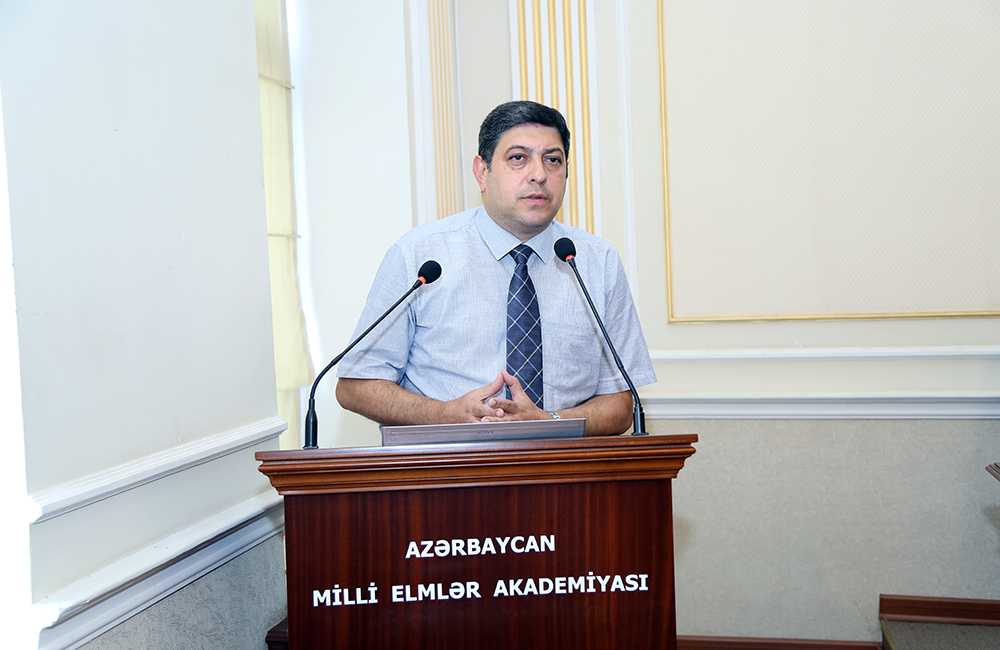
Associate Professor Farhad Guliyev: Systematic and Deliberate Crimes Were Committed Against Azerbaijan’s Heritage During the Occupation
“During the occupation, systematic and deliberate crimes were committed against Azerbaijan’s heritage. One of them was the attempt to link settlements dating back to the Bronze Age and earlier periods, as well as kurgans, to the ancestors of Armenians through so-called archaeogenetic studies, thereby creating a false perception that Armenians were allegedly the earliest inhabitants of the region. The second was the policy of forcibly altering the architectural details of Albanian temples and monasteries dating from the Christian period and completely Armenianizing them in religious and cultural terms. The third was the complete destruction of mosques and cemeteries belonging to the Azerbaijani people, or, where monuments could not be destroyed, portraying them as the heritage not of Azerbaijanis but allegedly of other Muslim peoples, particularly as part of Iranian cultural heritage.”
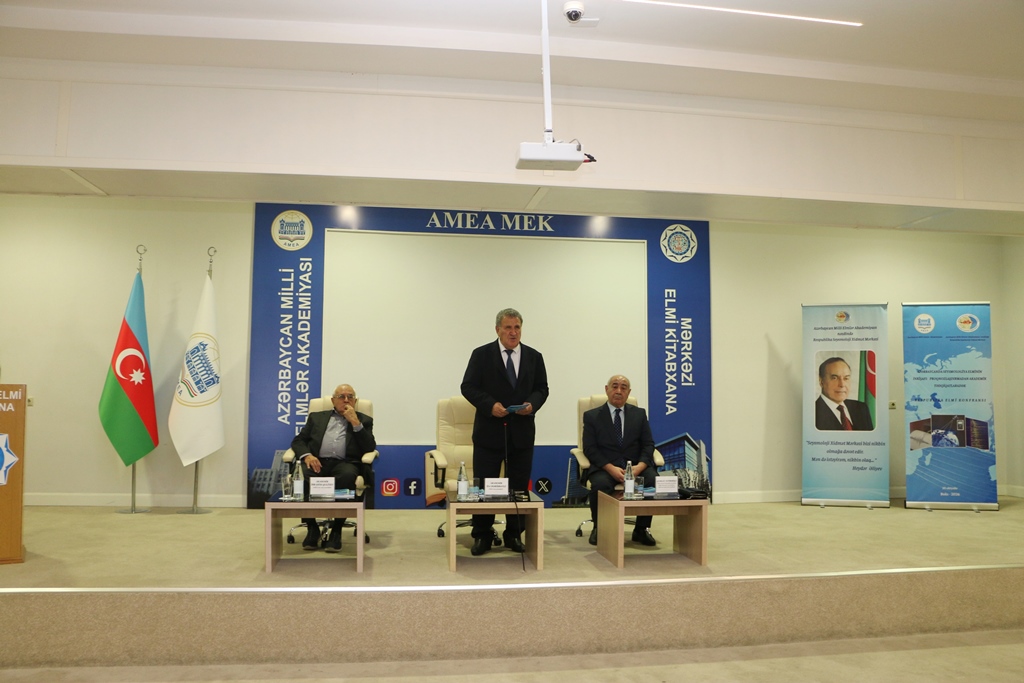
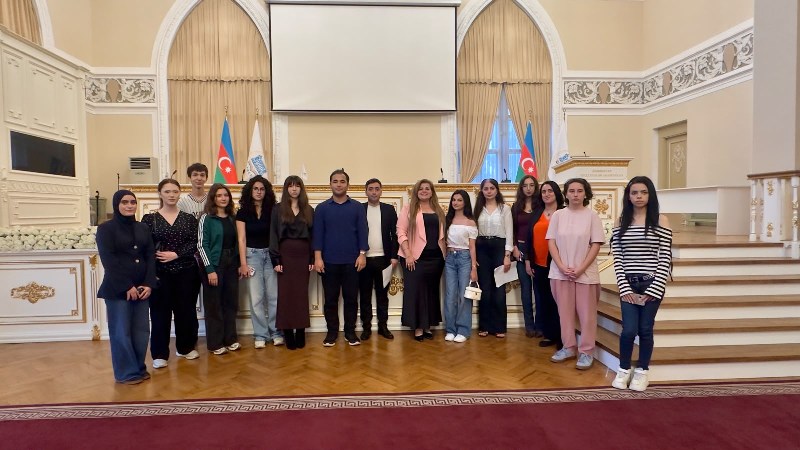
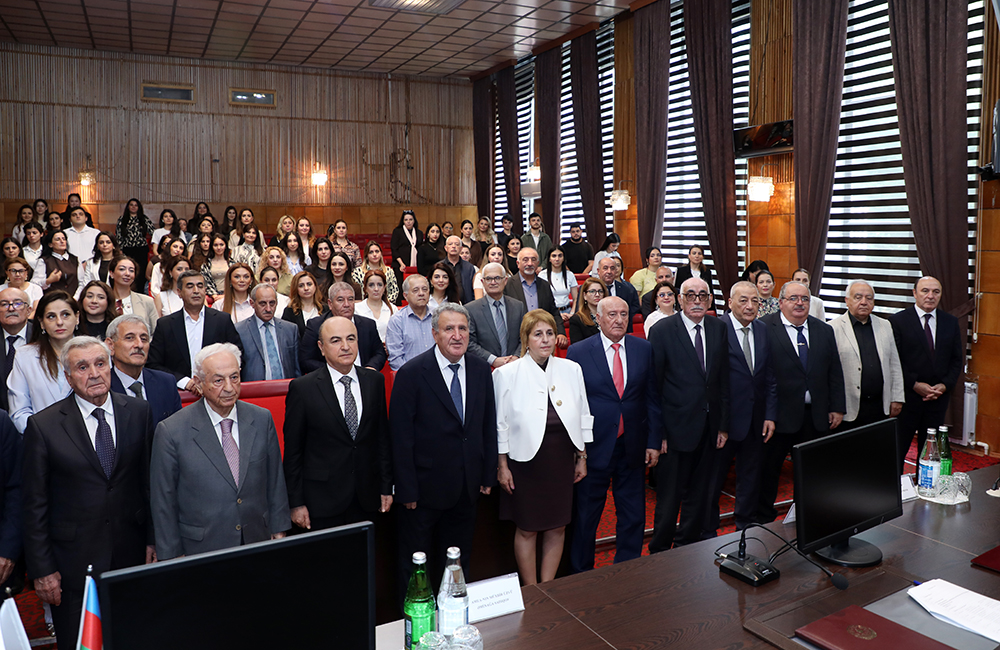
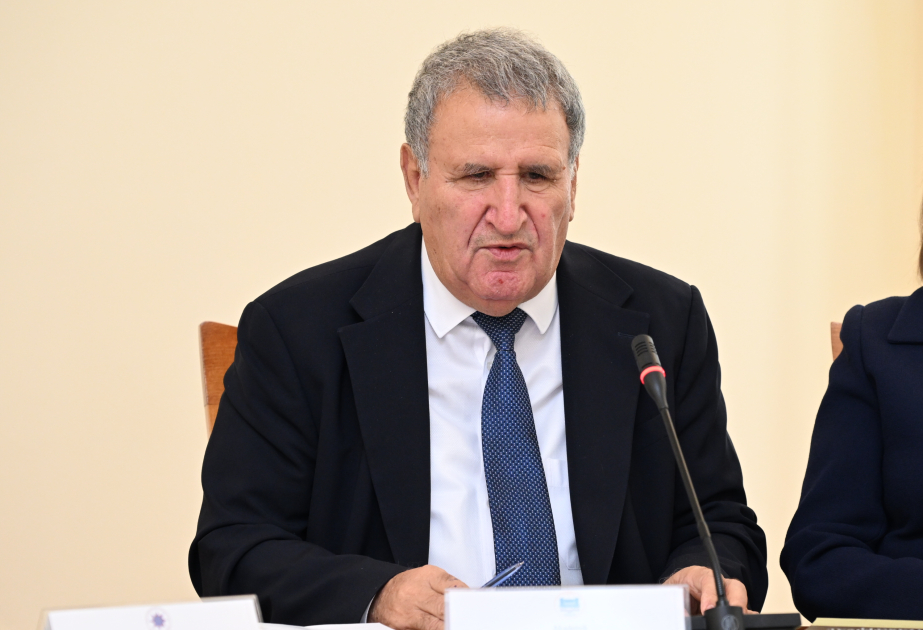
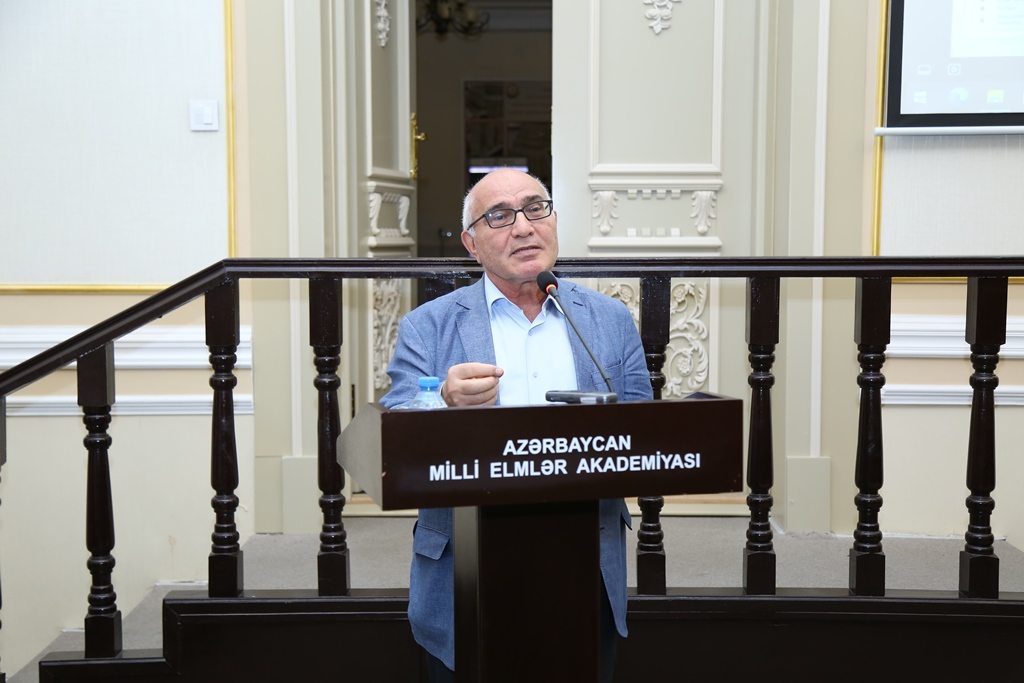
These remarks were made by Farhad Guliyev, Director of the Institute of Archaeology and Anthropology of the Azerbaijan National Academy of Sciences (ANAS), PhD in History and Associate Professor, at a scientific conference held at ANAS on the topic “Albanian Monuments in the Karabakh Territory of Azerbaijan: Historical Reality and Armenian Falsification.”
The scholar emphasized that Azerbaijani archaeologists have already launched extensive research in the Khojavand, Kalbajar and Aghdara districts. In particular, archaeological excavations carried out at the palace complex of the Albanian princes within the State Historical and Architectural Reserve in the village of Tugh, Khojavand District, as well as at Ancient Albanian Christian Monuments No. 2 and No. 3 in the area and in the villages of Hadrut and Chanagchi, make it possible to expose Armenian falsifications through scientific evidence.
Translation by Gulhane Aghayeva, Department of Public Relations, Press, and Information, Presidium of ANAS.
© All rights reserved. When using these materials, reference to www.science.gov.az is required.
Similar News
Links