Azerbaijan National Academy of Sciences
The first website of Azerbaijan (1995)
 Elm TV
 Photo
 Video
- A-
- A
- A+
Historian: The Most Significant Mistake in Studying Caucasian Albania Is Examining Its Ancient History and Culture in the Context of Modern Borders
“The greatest blow dealt to Albanian studies by researchers of Armenian origin during the Soviet period was this approach. Studying ancient history within modern borders essentially means distorting and falsifying it. However, artifacts discovered through archaeological excavations, above-ground historical, cultural and religious monuments, as well as information contained in written sources, expose this falsification.”
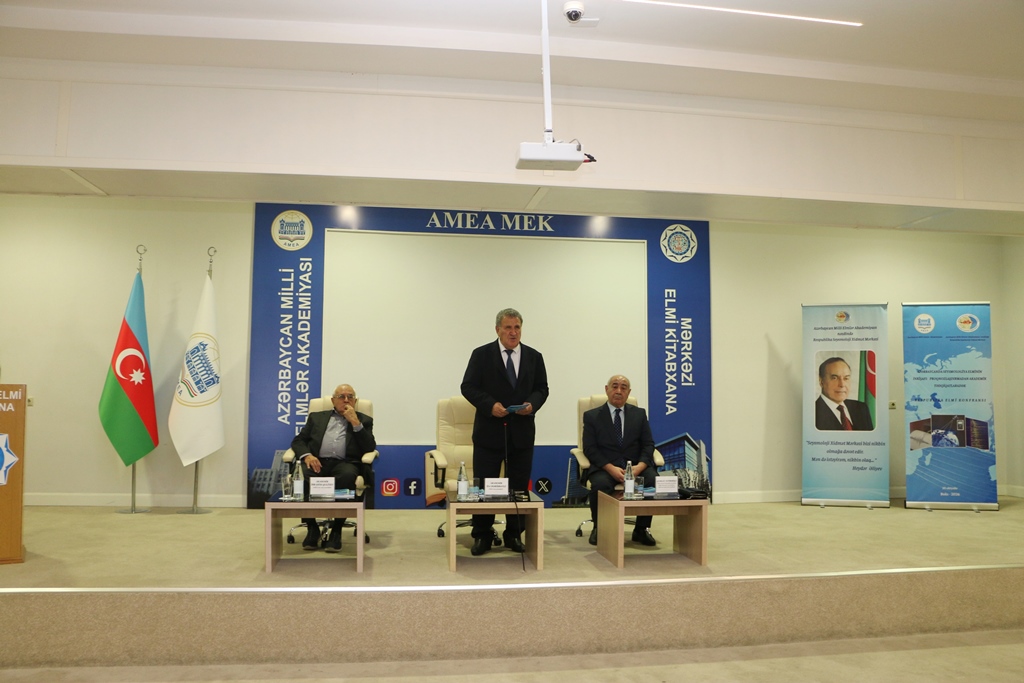
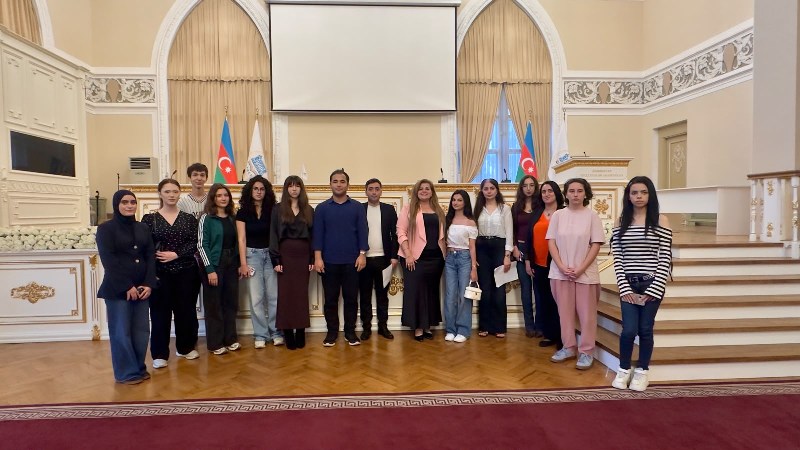
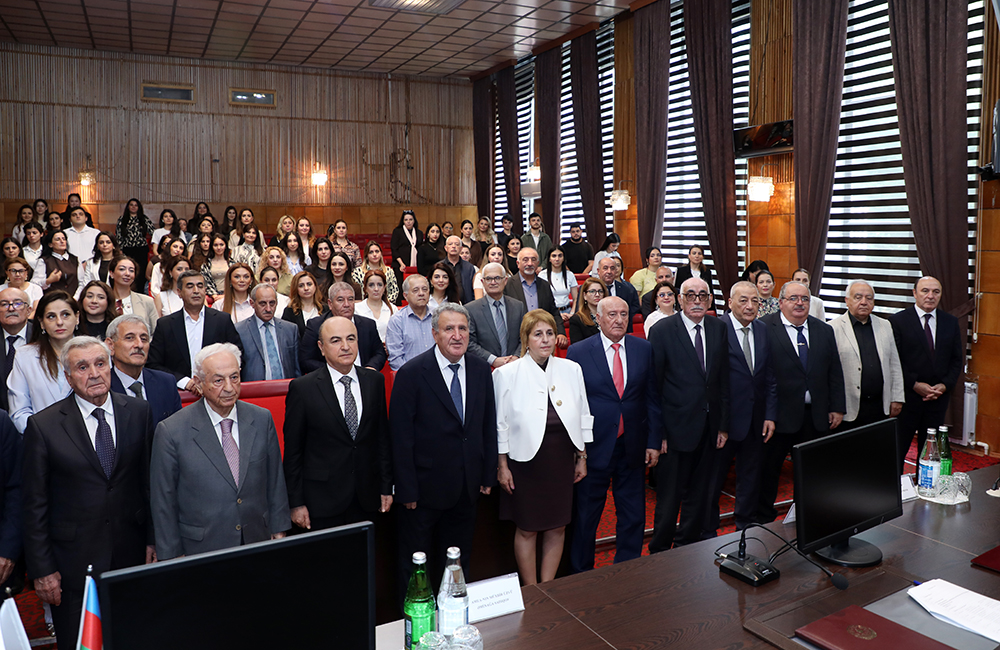
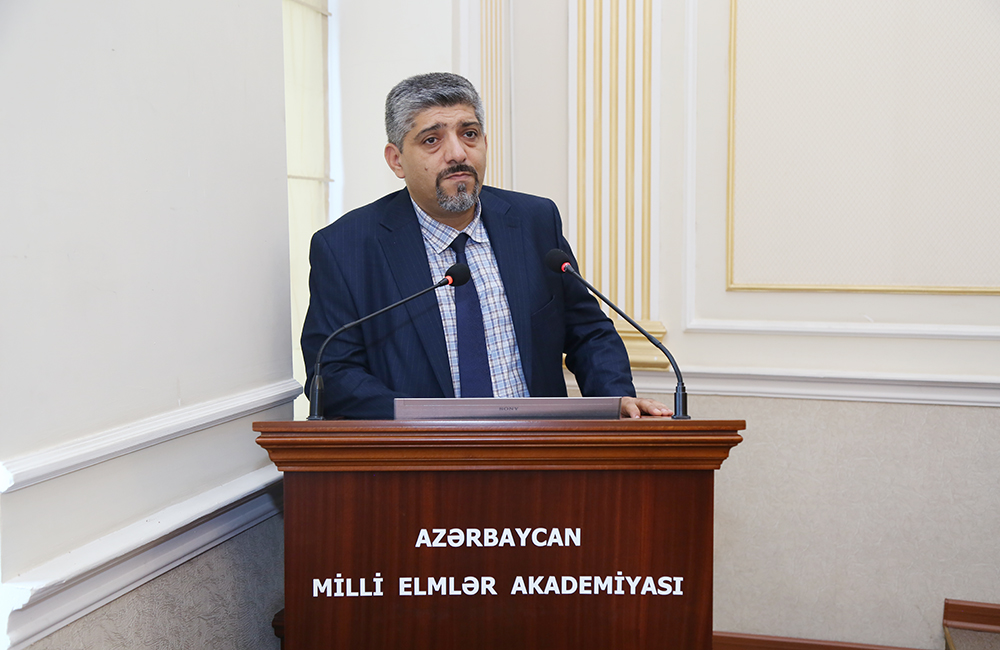
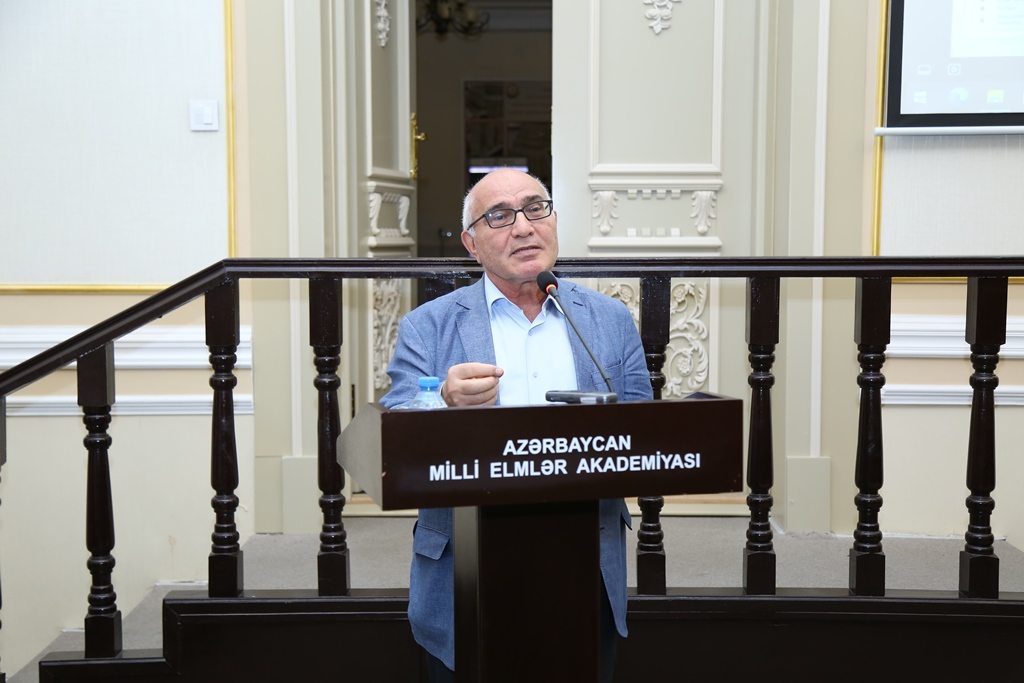
These remarks were made by Ramin Alizada, Head of the Department of Ancient History of Azerbaijan at the A.A. Bakikhanov Institute of History and Ethnology of ANAS, at a scientific conference held at the Azerbaijan National Academy of Sciences (ANAS) on the topic “Albanian Monuments in the Karabakh Territory of Azerbaijan: Historical Reality and Armenian Falsification.”
The scholar emphasized that there are nearly 200 inscriptions on an ancient rock near the city of Van in the Republic of Türkiye, noting that during their visit they had observed inscriptions written in the Urartian language: “Some of these inscriptions, which had previously been recorded by the expeditions of Joseph Orbeli and Nikolay Marr in the historical area where the rock inscriptions are located, were deliberately damaged by Armenians at a later stage in an attempt to erase the traces. However, photographic documentation and the original publications of these texts have been preserved in scholarly circulation. Alongside the country of Caucasian Albania, these inscriptions also list other ancient place names associated with the Lake Goycha basin and the Karabakh region.”
In his speech, Ramin Alizada noted that the mention of the country of Caucasian Albania in Urartian cuneiform inscriptions dates the history of Caucasian Albania to a period far earlier than the Christian era and fundamentally refutes claims by Armenians to appropriate this heritage solely within the ecclesiastical sphere.
Translation by Gulhane Aghayeva, Department of Public Relations, Press, and Information, Presidium of ANAS.
© All rights reserved. When using these materials, reference to www.science.gov.az is required.
Similar News

Links