Azerbaijan National Academy of Sciences
The first website of Azerbaijan (1995)
 Elm TV
 Photo
Photo
 Video
Video
- A-
- A
- A+
Academician Isa Habibbeyli visited Astara to learn about the archaeological excavations
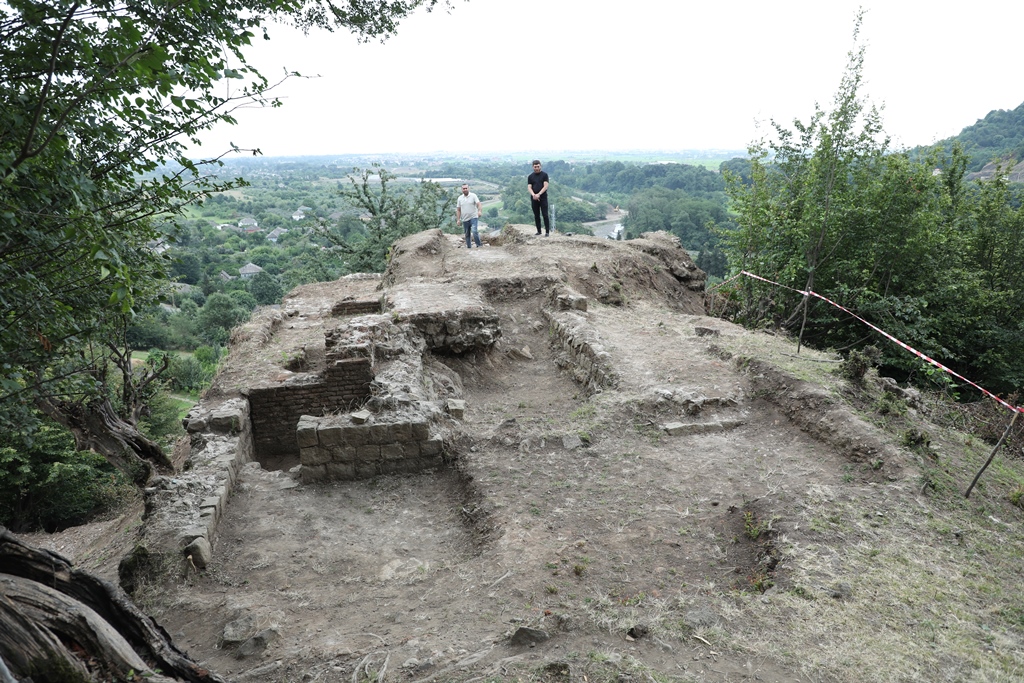
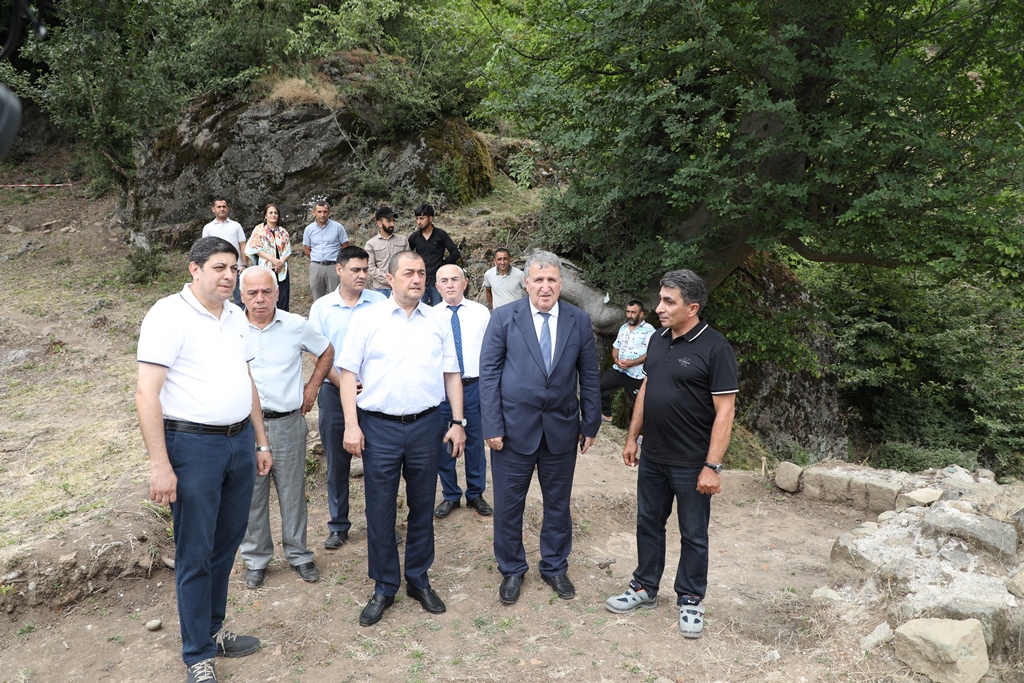
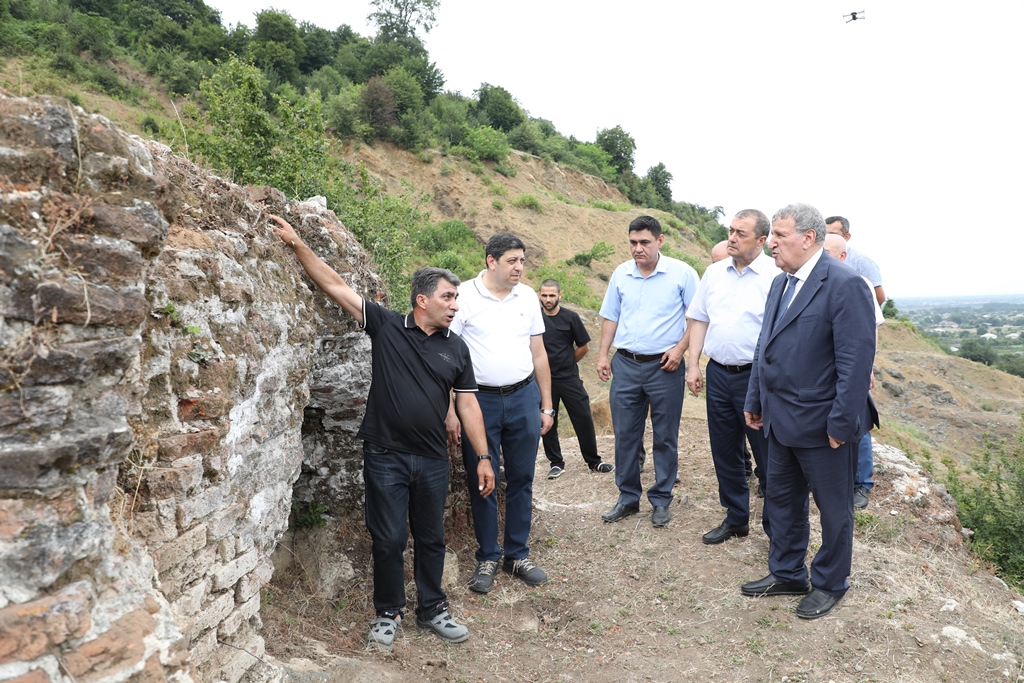
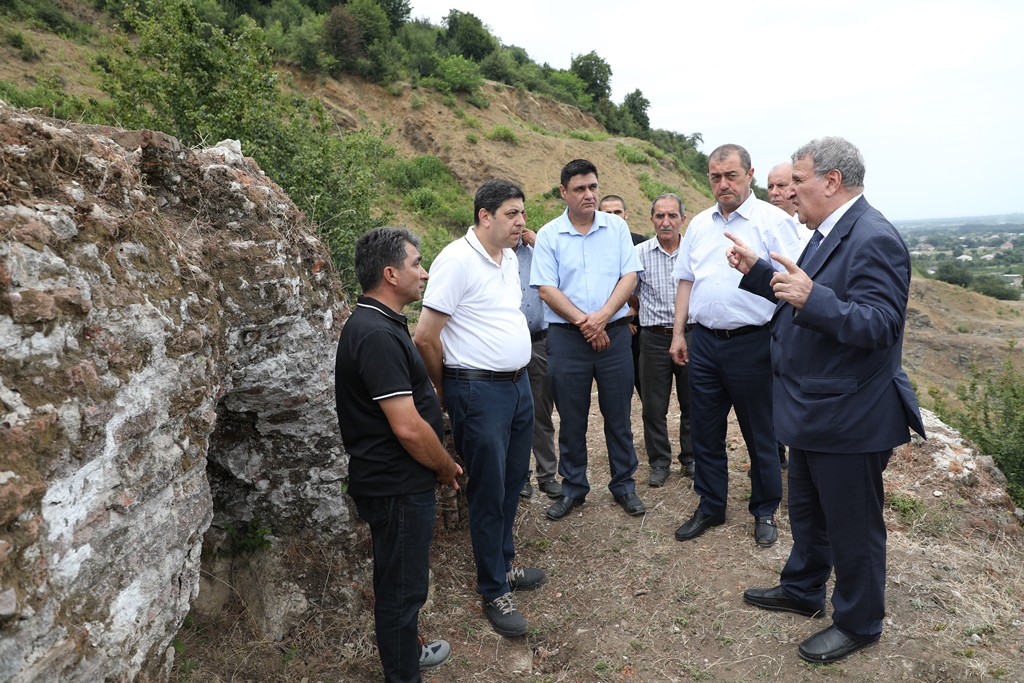
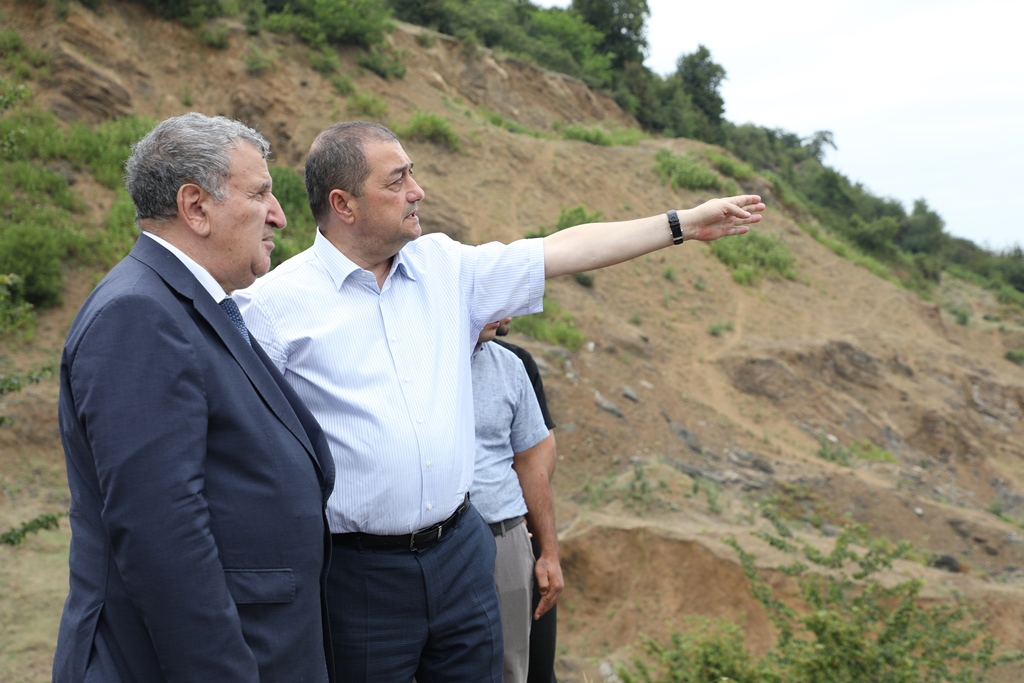
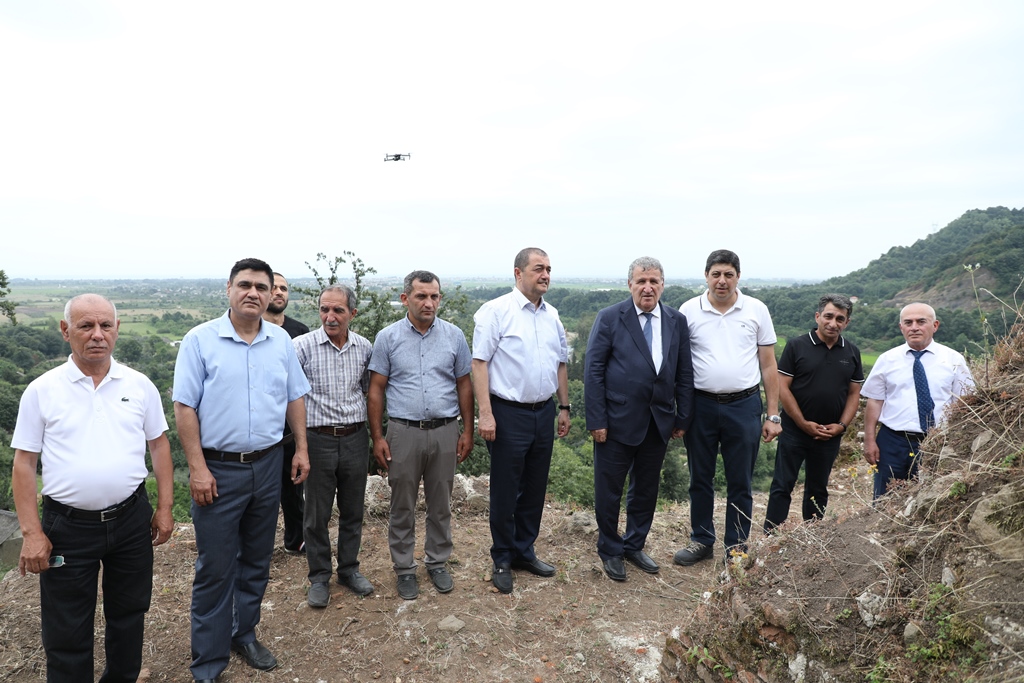
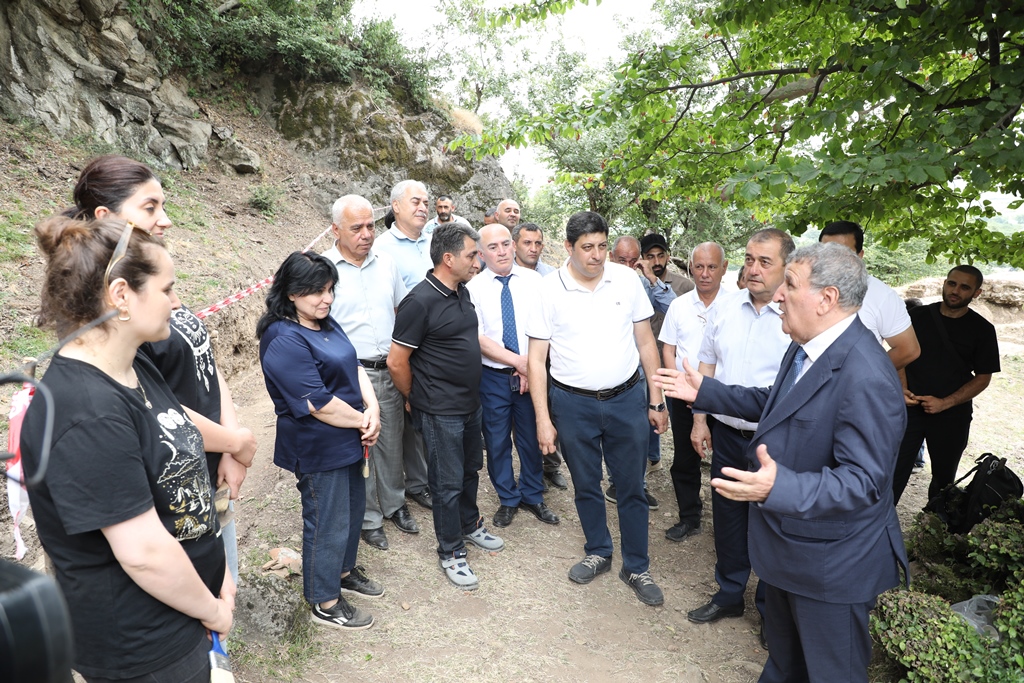
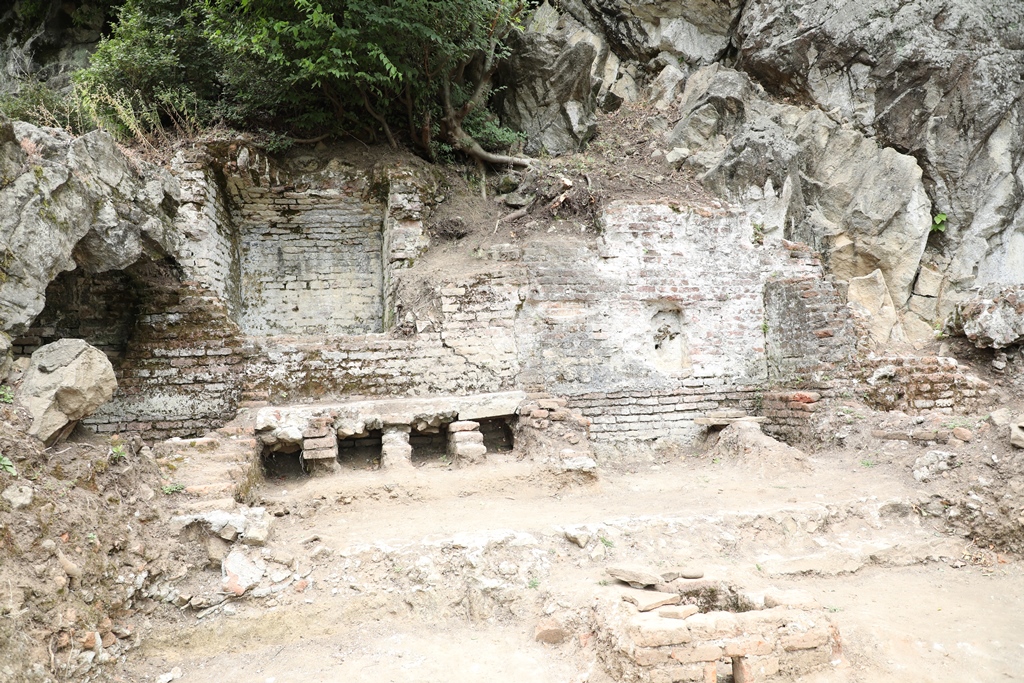
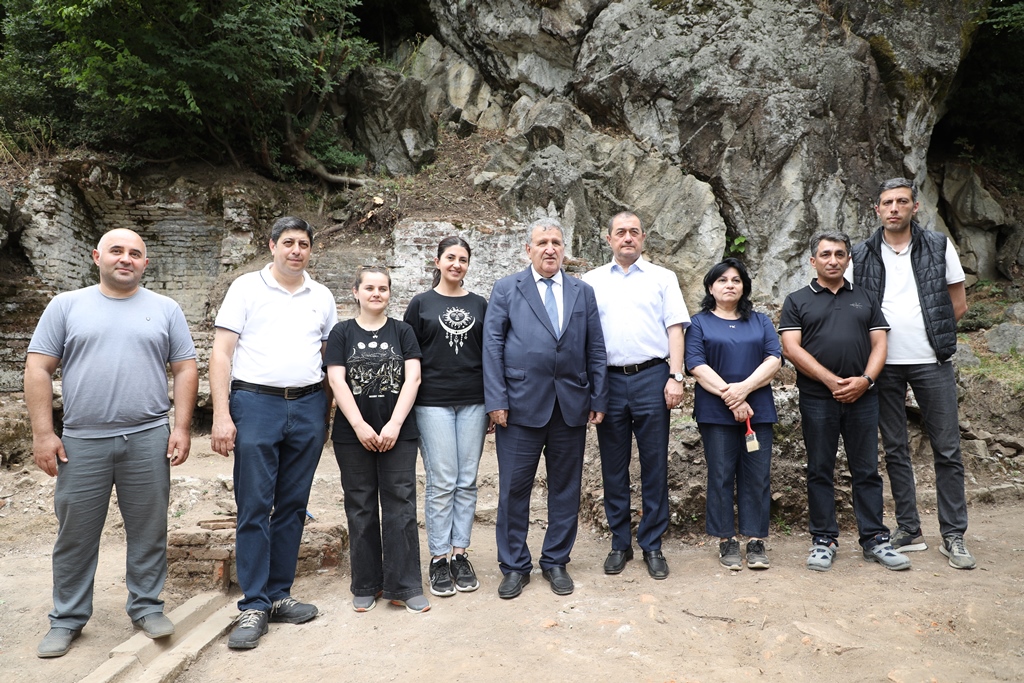
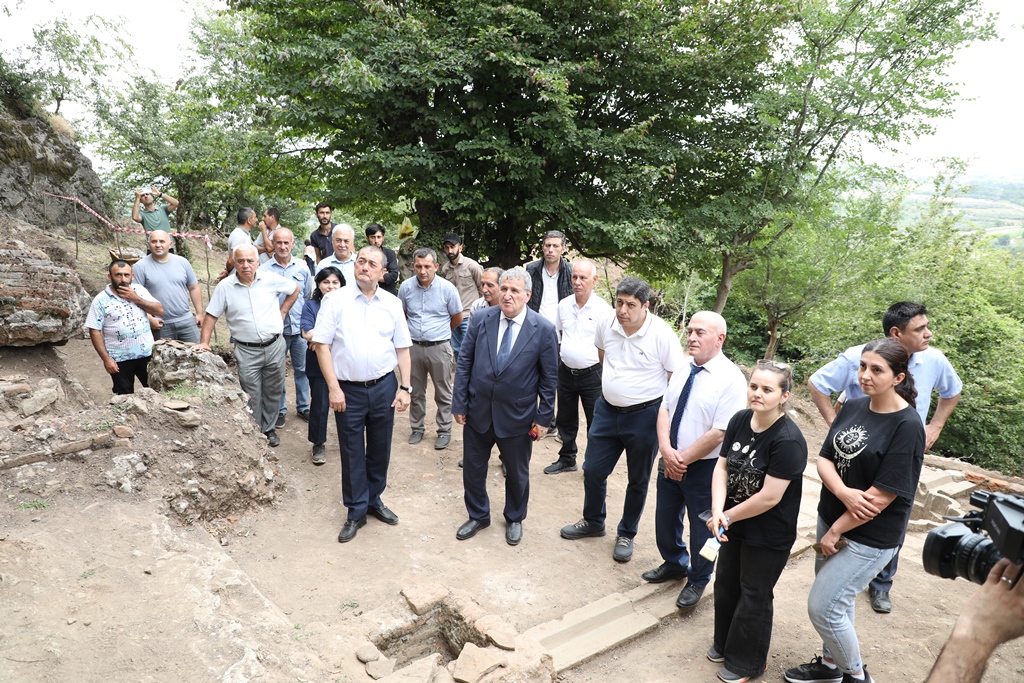
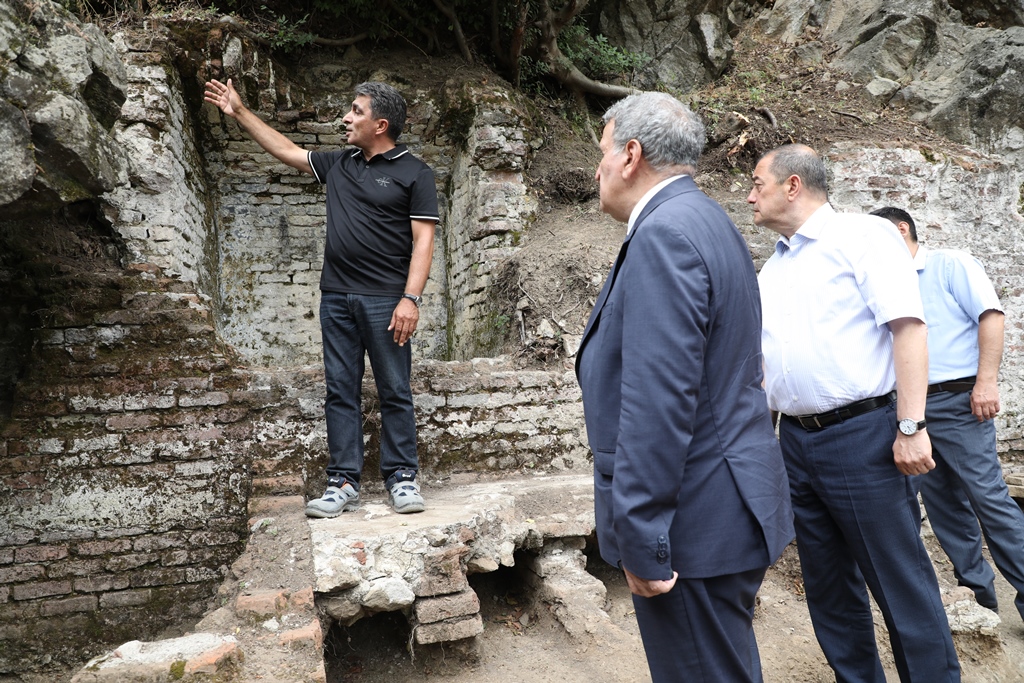
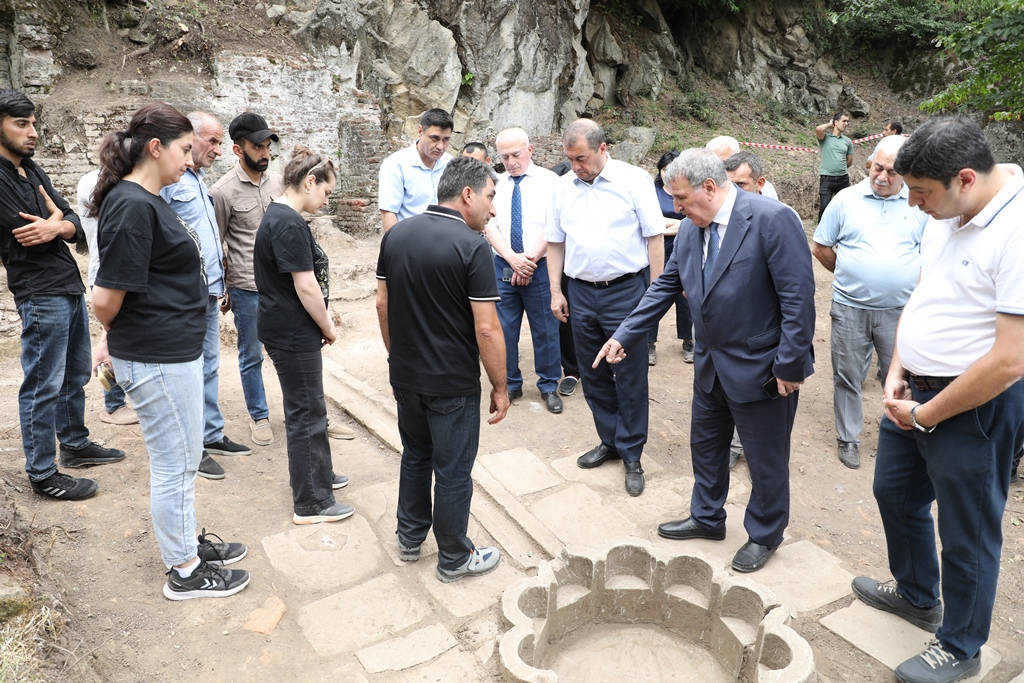
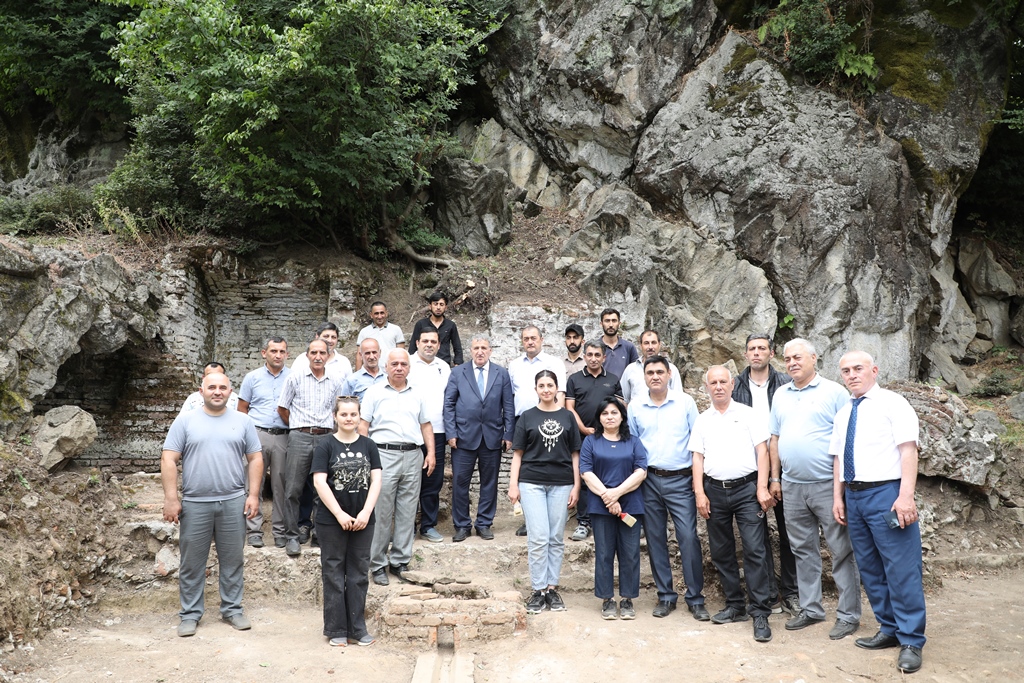
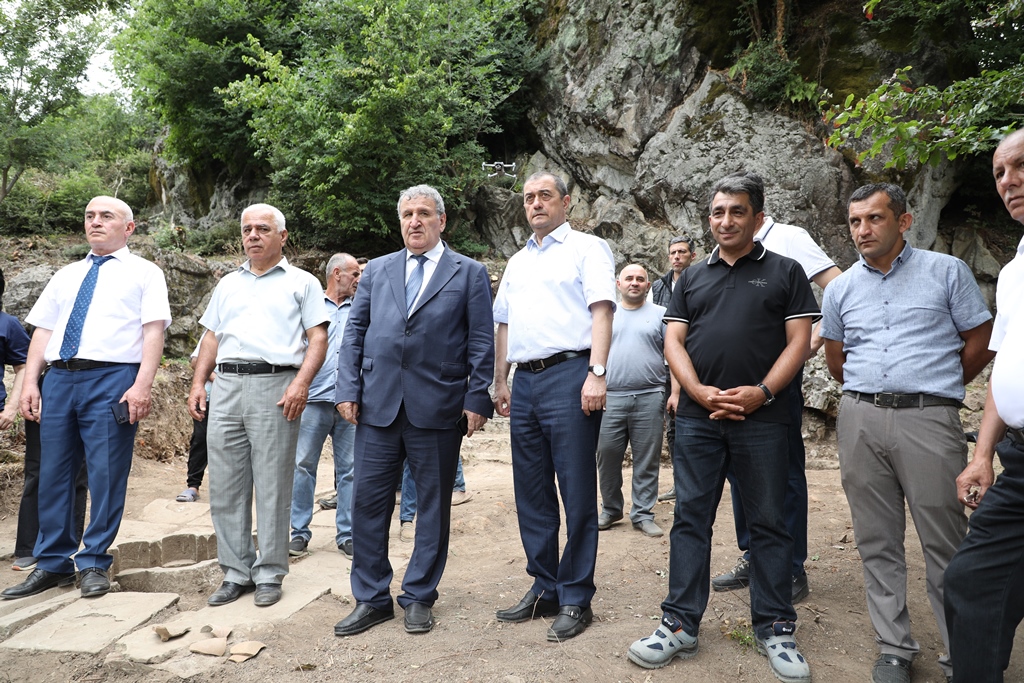
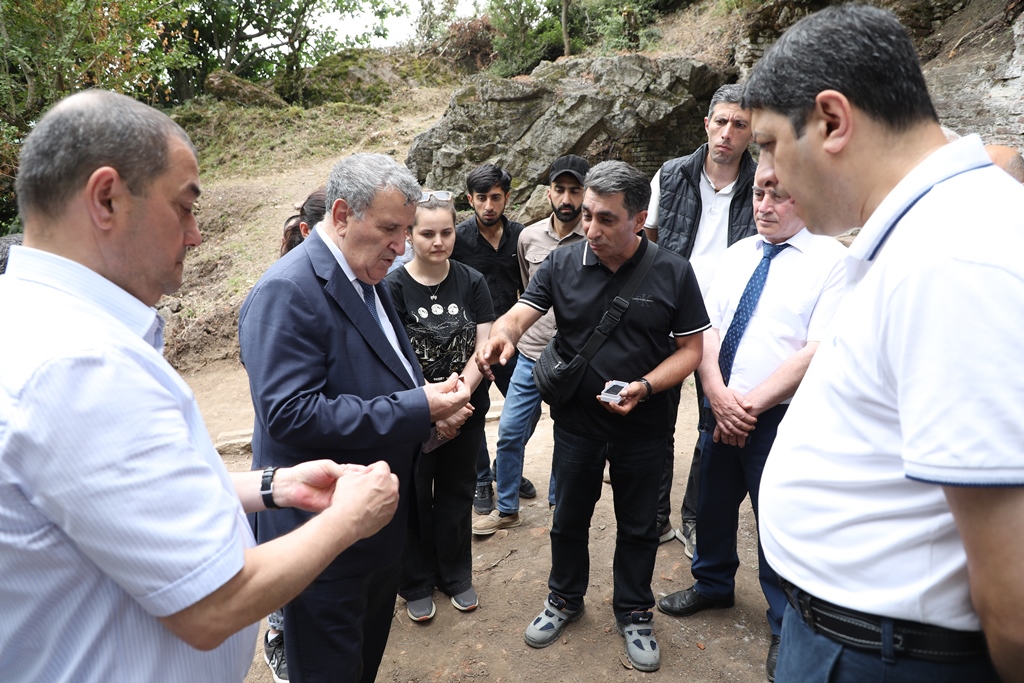
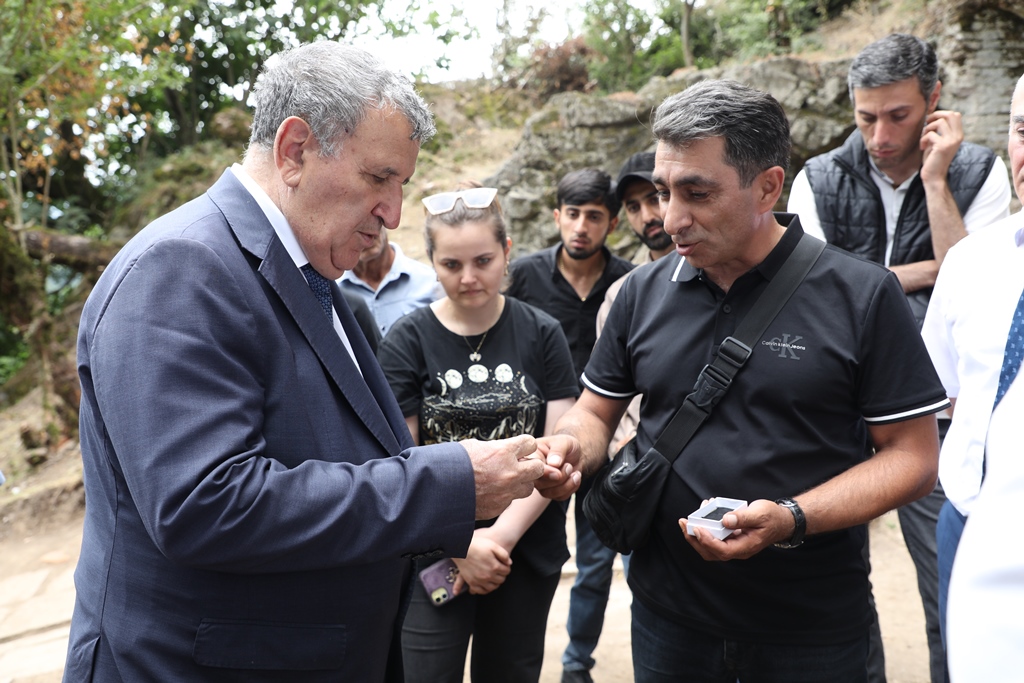
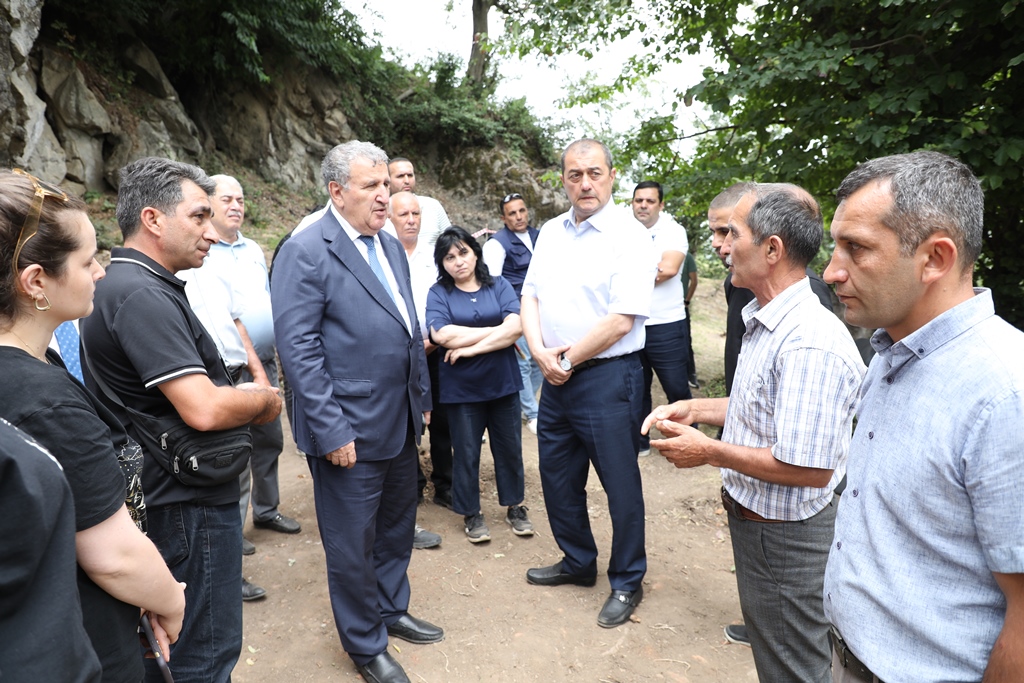
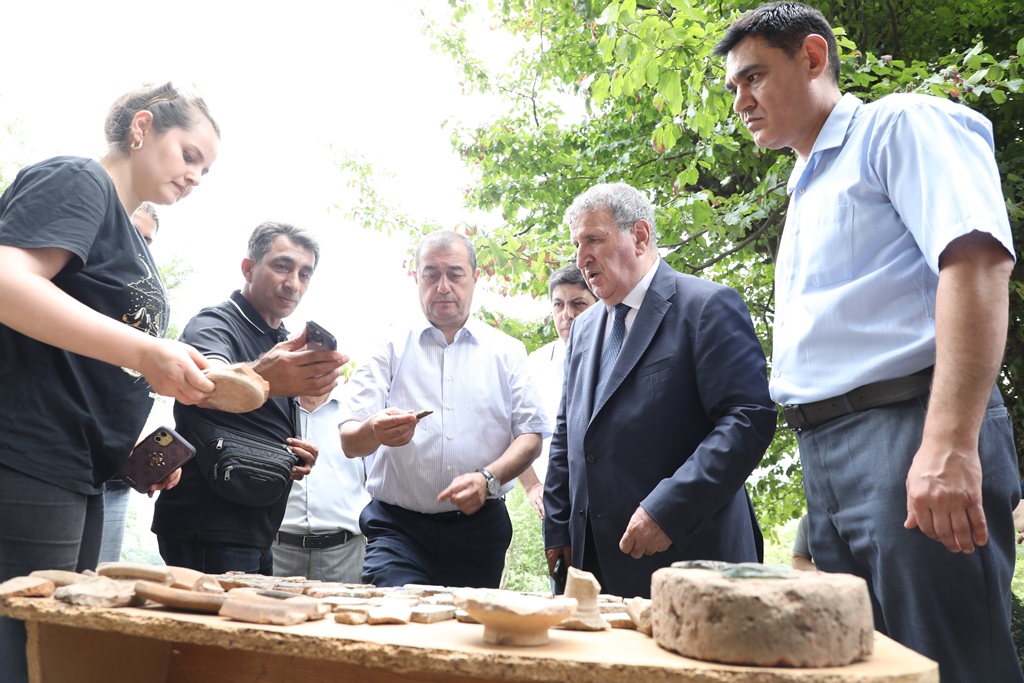
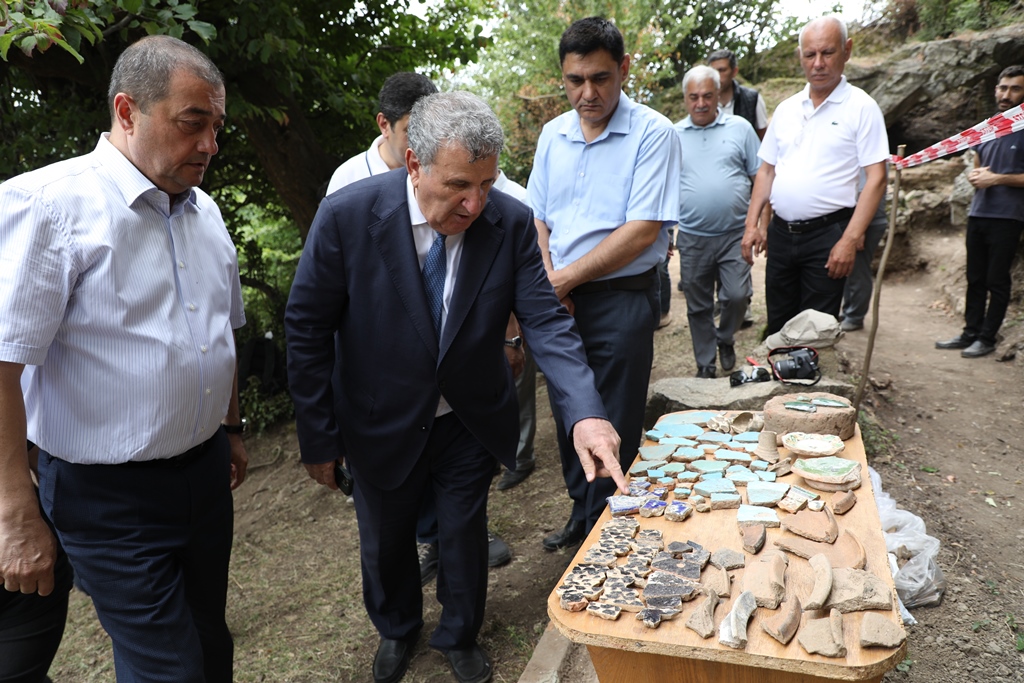
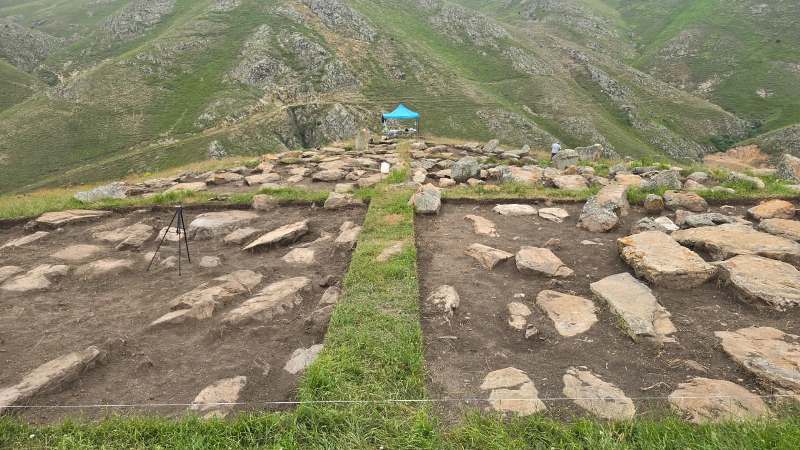
President of the Azerbaijan National Academy of Sciences, Academician Isa Habibbeyli visited the Alisha fortress located in the Alasha village area of Astara district to get acquainted with the activities of the Astara district archaeological expedition of the Institute of Archaeology and Anthropology of ANAS on site.
Head of the Astara District Executive Power, Gazanfar Aghayev, Director of the Institute of Archaeology and Anthropology of ANAS, PhD in History, Associate Professor Farhad Guliyev, PhD in History, Associate Professor Safar Ashurov and others also participated.
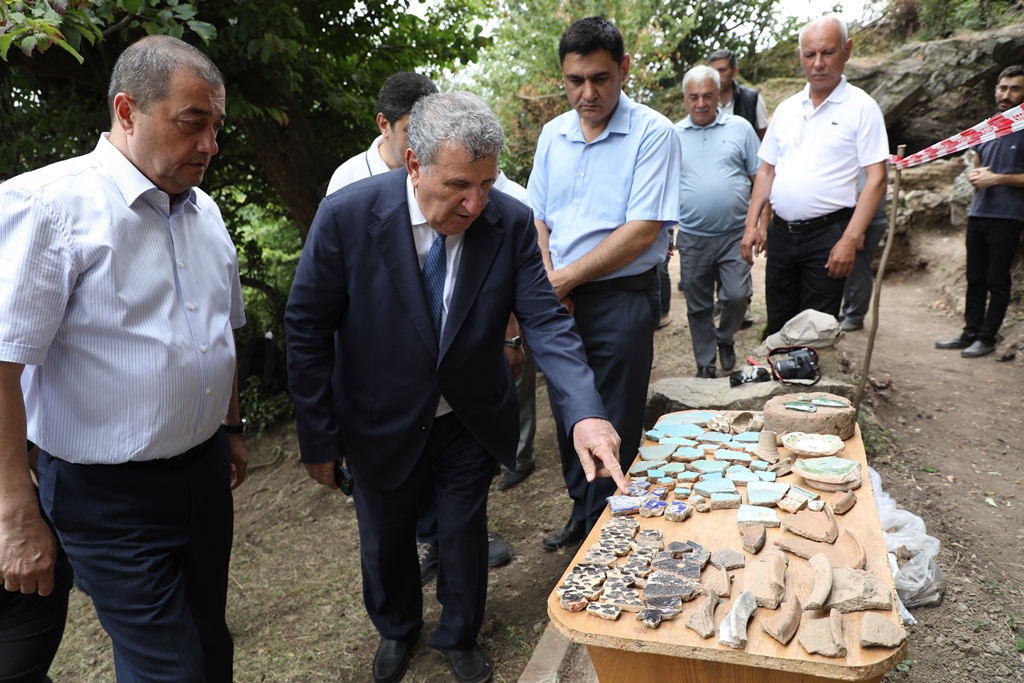
During the visit, Academician Isa Habibbeyli closely examined the progress of the research conducted at the excavation site, the discovered architectural remains, and the archaeological materials. He also held extensive discussions with specialists regarding the scientific significance of the obtained results.
Head of the Astara archaeological expedition, Head of the Department of Registration and Documentation of Archaeological Monuments of the Institute of Archaeology and Anthropology of ANAS, PhD in History, Associate Professor Mikayil Mustafayev, provided detailed information to the President of ANAS about the area where the expedition operates and the ongoing archaeological research.
It was said that during the recent excavations carried out at the Alisha fortress by the Astara archaeological expedition, which has been active for three years under the Institute of Archaeology and Anthropology, a unique architectural structure of great scientific significance was discovered: a stone pool complex constructed in a lotus-like form. This pool has an approximate diameter of 1.5 meters. The complex also includes stone water channels that ensure a continuous water flow, as well as additional structures paved with stone slabs.
According to research, this pool complex is considered a unique water system documented in Azerbaijan.
Such pool designs have been recorded in monuments across the Middle East, Iran, and India. Its discovery for the first time in Azerbaijan is regarded as a significant scientific innovation in terms of studying the country's ancient architectural and cultural history.
During the archaeological excavations, standard rooms built from baked bricks and dating back to the Middle Ages were discovered in the area. At the same time, as examples of material culture, glazed and unglazed ceramic samples, tiles, as well as two silver coins were found.
After familiarizing himself with the site, President of ANAS, Academician Isa Habibbeyli said that the discovered monument complex is of great importance to deeply study our history and to create archaeological tourism in the region. Emphasizing the necessity of comprehensive research of the monument, Academician Isa Habibbeyli highlighted the importance of conducting studies not only in archaeology and ethnography but also in the fields of architecture, linguistics, and folklore. He gave relevant recommendations and instructions to the institute’s leadership.
It should be noted that the expedition team included PhDs in History Namig Huseynli and Orkhan Aliyev, scientific worker Lala Nasirova, junior scientific worker Shafag Agayeva, and senior laboratory assistant Ulkar Jamalova from the Institute of Archaeology and Anthropology of ANAS. Narmina Huseynova, a staff member of the Department of History and Ethnology of Turkic Peoples of the Institute of History and Ethnology of ANAS, voluntarily joined the expedition to conduct ethnographic research at the Alisha fortress.
Archaeological excavations at the Alisha fortress are ongoing.
Reyhan Majidli, Public Relations, Press and Information Department of the Presidium Administration of ANAS
© All rights reserved. When using news, it is necessary to refer to www.science.gov.az
Similar News


Links