Azerbaijan National Academy of Sciences
The first website of Azerbaijan (1995)
 Elm TV
 Photo
Photo
 Video
Video
- A-
- A
- A+
The Earth Sciences Division of ANAS Reports on Its Scientific and Scientific-Organizational Activities for 2025


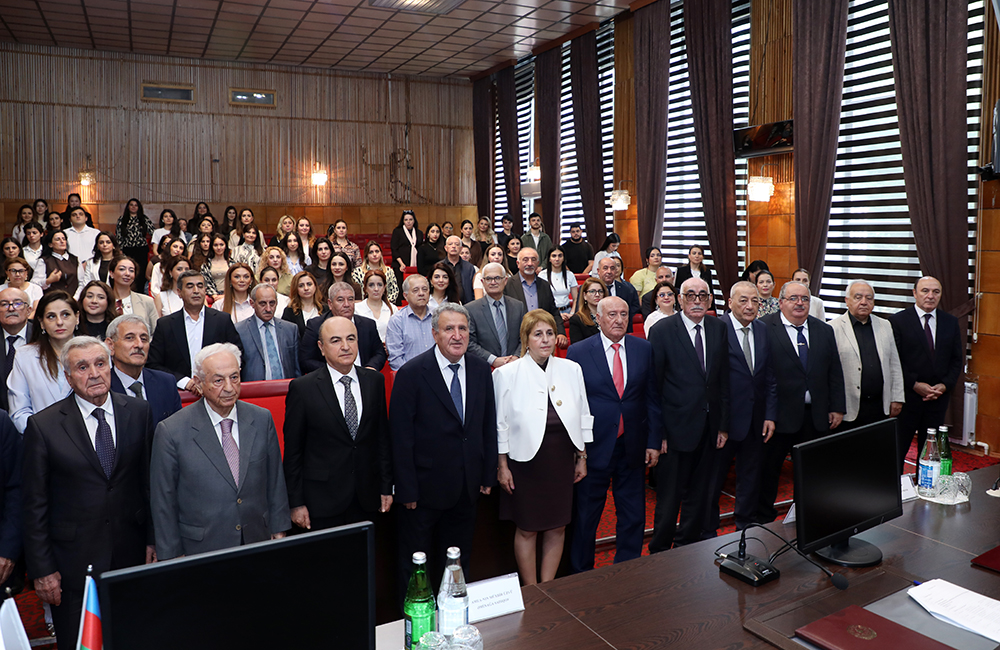
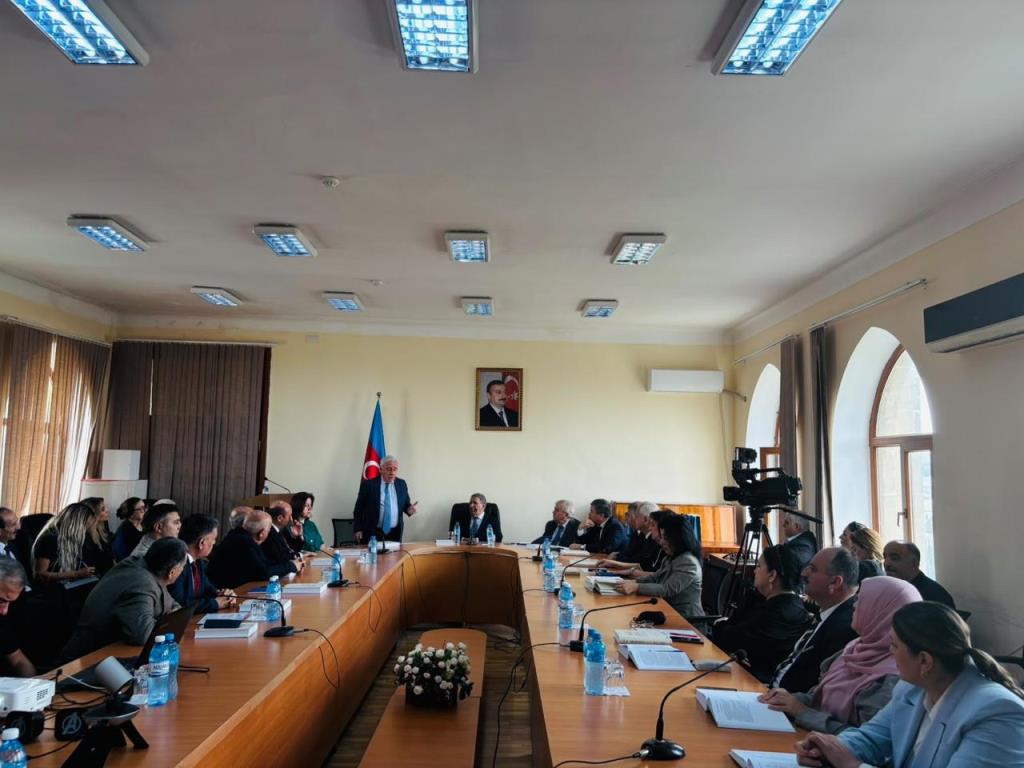
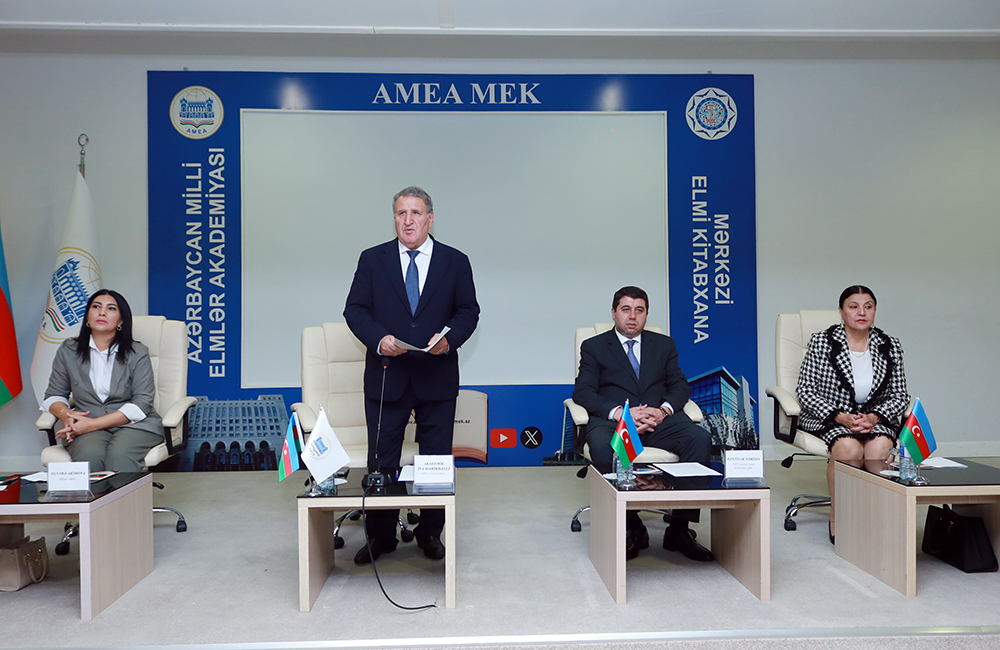
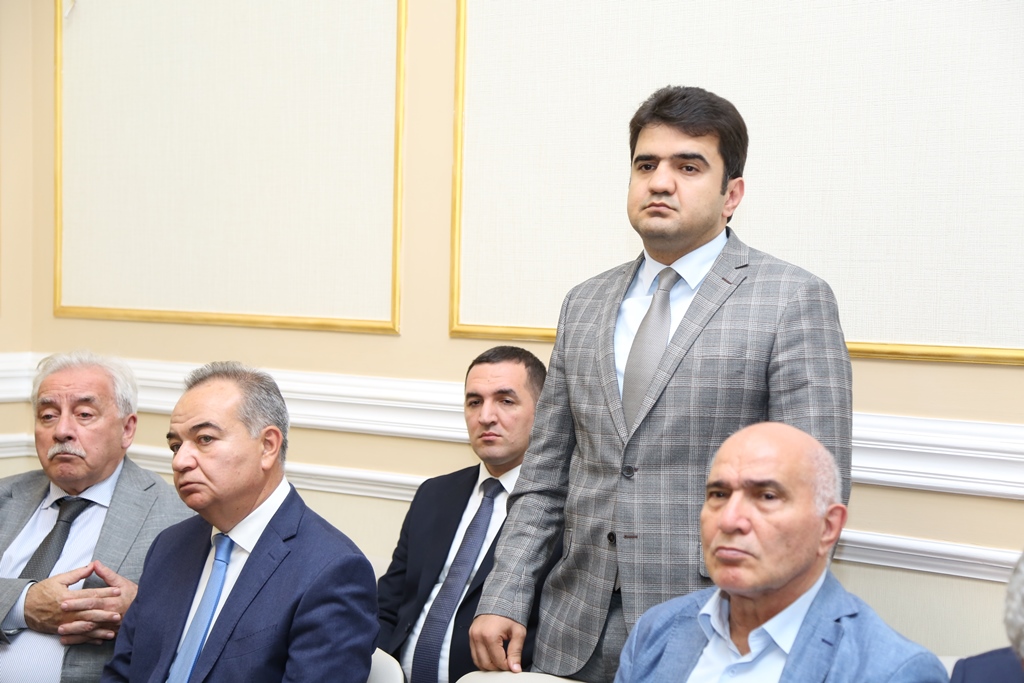
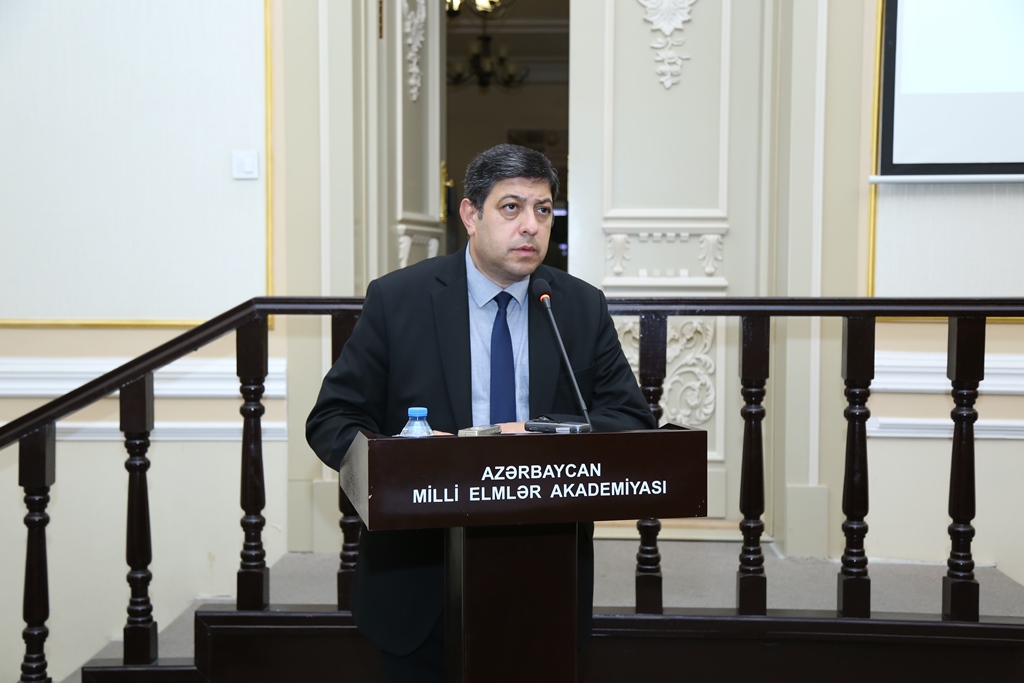
At today’s meeting of the Presidium of the Azerbaijan National Academy of Sciences (ANAS), a report on the scientific and scientific-organizational activities of the Earth Sciences Division for 2025 was heard.
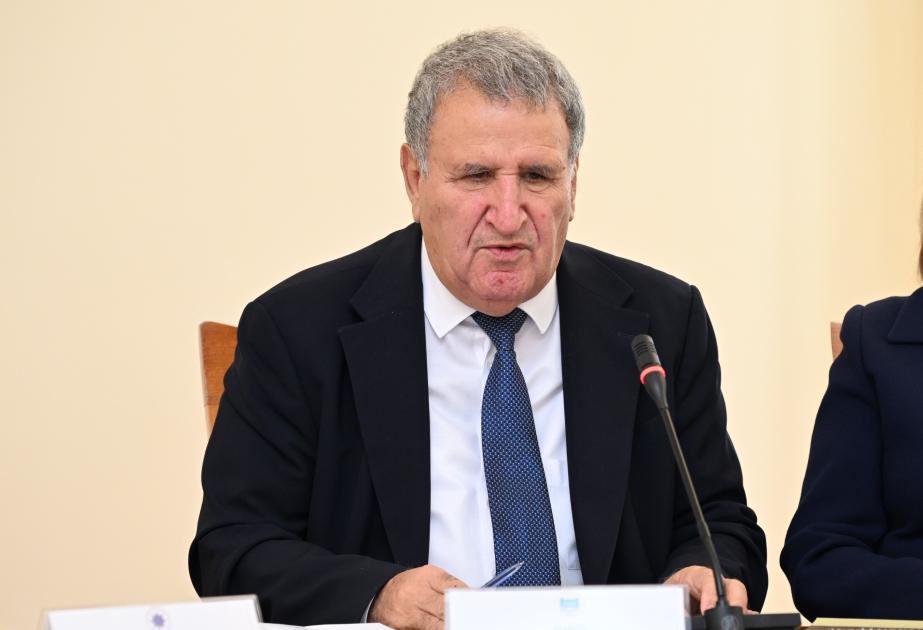
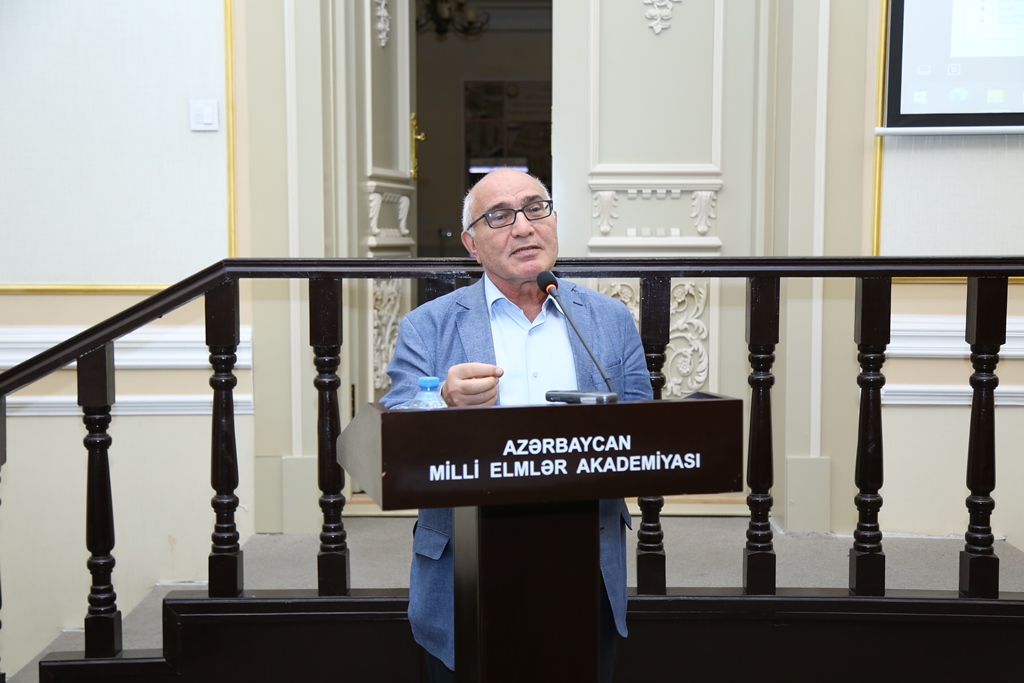
The report was presented by ANAS Vice-President and Chairman of the Scientific Council of the Earth Sciences Division, Academician Ibrahim Guliyev. He stated that research conducted at the division’s institutions last year was mainly focused on the implementation of “Azerbaijan 2030: National Priorities for Socio-Economic Development,” the “National Strategy on Efficient Use of Water Resources,” the “Employment Strategy of the Republic of Azerbaijan for 2019–2030,” the Presidential Order “On Celebrating the 80th Anniversary of the Azerbaijan National Academy of Sciences,” the “First State Program on the Great Return to the Liberated Territories of the Republic of Azerbaijan,” the “Year of the Constitution and Sovereignty,” as well as relevant decisions of the ANAS General Assembly and the Presidium.
Academician Ibrahim Guliyev noted that in 2025, scientific institutions under the Earth Sciences Division implemented 44 topics covering 15 problems, 56 research projects, and research activities across 15 stages; 11 topics, 20 research projects, and 7 stages were completed. During the reporting year, more than 40 significant results were obtained at scientific institutions within the division’s scope, and 43 applied scientific projects were carried out based on economic contracts.
It was emphasized that the results mainly covered topical issues such as Karabakh and East Zangazur, the Great Return, assessment of hydrocarbon resources in the Caspian Sea aquatory, improvement of gas-condensate field development processes, research into renewable energy sources, spatial and temporal distribution of solar, wind, and wave energy potential in the Caspian Sea aquatory and technologies for their use, study of active geodynamic processes, fault slip monitored by satellite data in the Kura basin, crustal deformation caused by distant earthquakes affecting oil and gas and mud volcano areas in Azerbaijan, changes in the Caspian Sea level and coastal dynamics, improvement of water resources management, and expansion of practices for using alternative water sources. The scholar emphasized that based on the application of artificial intelligence technologies, an interactive database titled “Digital Caspian” has been developed. This system integrates analytical modules and represents a comprehensive geological and geophysical model of the South Caspian Basin through a set of interactive digital maps created by modeling hydrocarbon systems and oil and gas fields and developing their digital twins, intended for transdisciplinary research, scientific analysis, and sustainable resource management.
The speaker noted that according to relevant indicators in the international Scimago scientific ranking, Azerbaijan’s Earth sciences have demonstrated a stable and consistent upward trend over the past five years, both globally and within the Eastern European country group. According to the results of 2024, Azerbaijan ranks 36th in geophysics, 41st in geoengineering, and 47th in geology among nearly 200 countries.
Providing information on publishing activity, Academician Ibrahim Guliyev reported that during the reporting year, scientific institutions under the Earth Sciences Division published 9 monographs (1 abroad), 16 books and 6 textbooks, 264 articles (188 abroad), and 117 conference abstracts (78 abroad). Of these, 115 were published in impact-factor journals indexed in Web of Science and Scopus. He noted that during the reporting period, valuable research works such as “The Paleontological Atlas of Azerbaijan,” “Earth Sciences of Azerbaijan Over an 80-Year Period – Pages of a Rich and Glorious History,” “Karabakh and East Zangazur: Geology and Mineral Resources,” “Tourism and Recreation Potential of Karabakh,” “An Explanatory Dictionary of Ancient Settlements and Toponyms of the Karabakh Economic Region,” “A Study of East Zangazur Oikonyms from the Perspectives of Geography, History, and Linguistics,” and others were produced.
He also highlighted information on the division’s human resources and personnel training, strengthening the integration of science and education, the division’s scientific journals, international cooperation, awards, the state of e-science, renewal of the material and technical base of science, improvement of information support systems, conferences, seminars, jubilees, and other related matters.
Following the discussions, by decision of the ANAS Presidium, the report of the Earth Sciences Division was approved, and it was decided to include the significant results obtained in ANAS’s annual report.
Translation by Gulhane Aghayeva, Department of Public Relations, Press, and Information, Presidium of ANAS.
© All rights reserved. Reference to www.science.gov.az is required when using materials from this site.
Similar News

Links