Azerbaijan National Academy of Sciences
The first website of Azerbaijan (1995)
 Elm TV
 Photo
Photo
 Video
Video
- A-
- A
- A+
The Next Meeting of the Presidium of ANAS Was Held

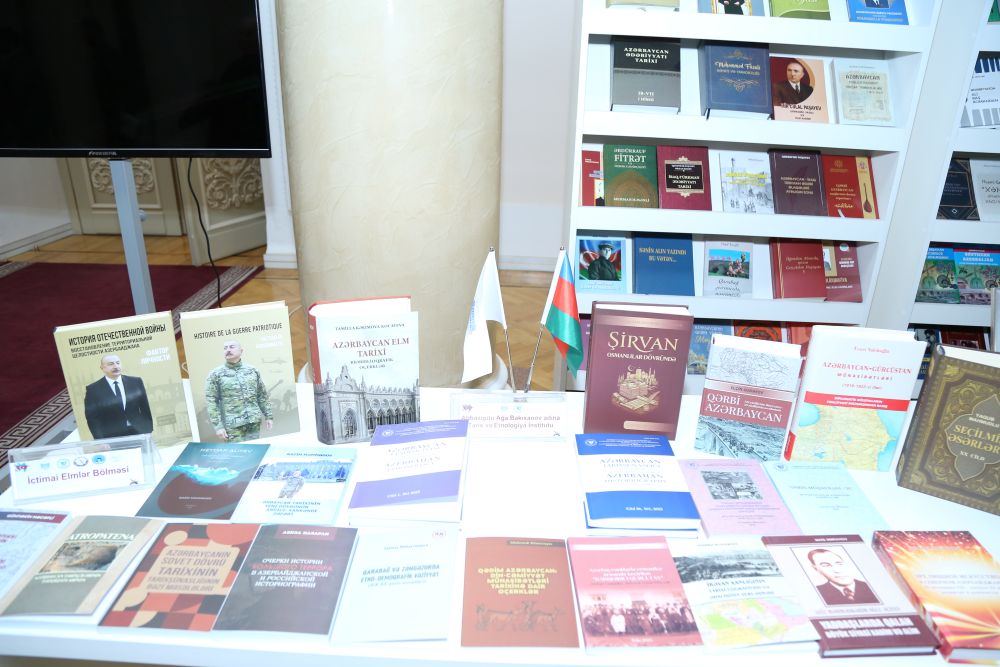
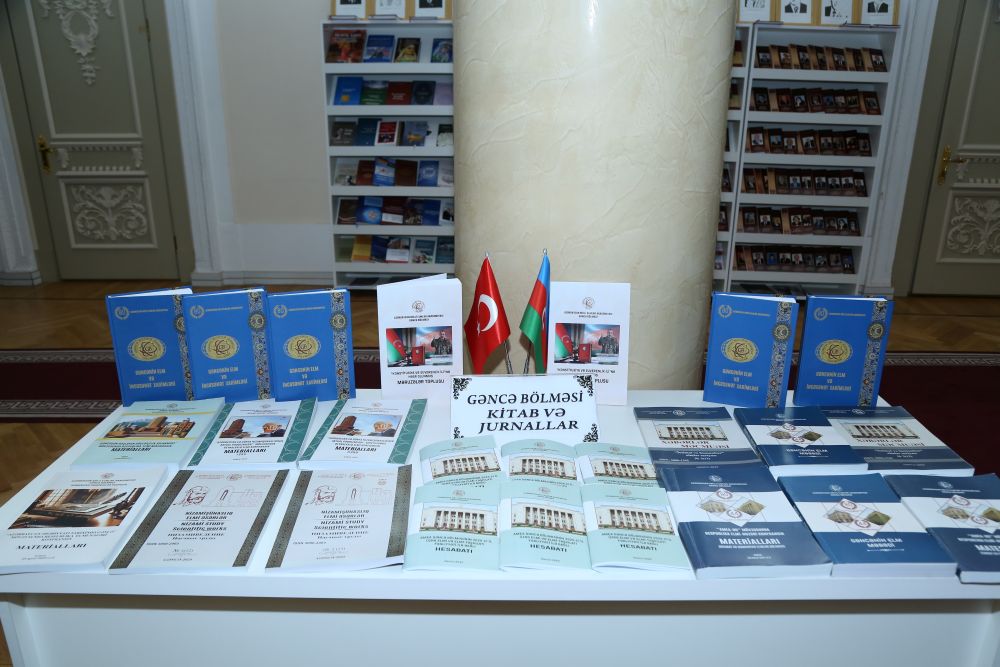

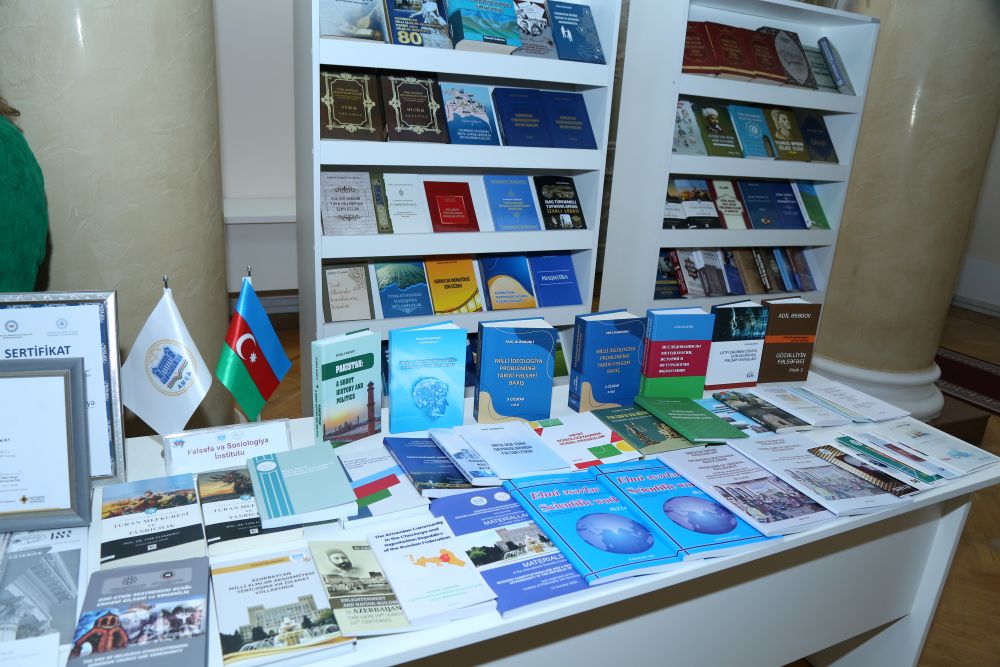
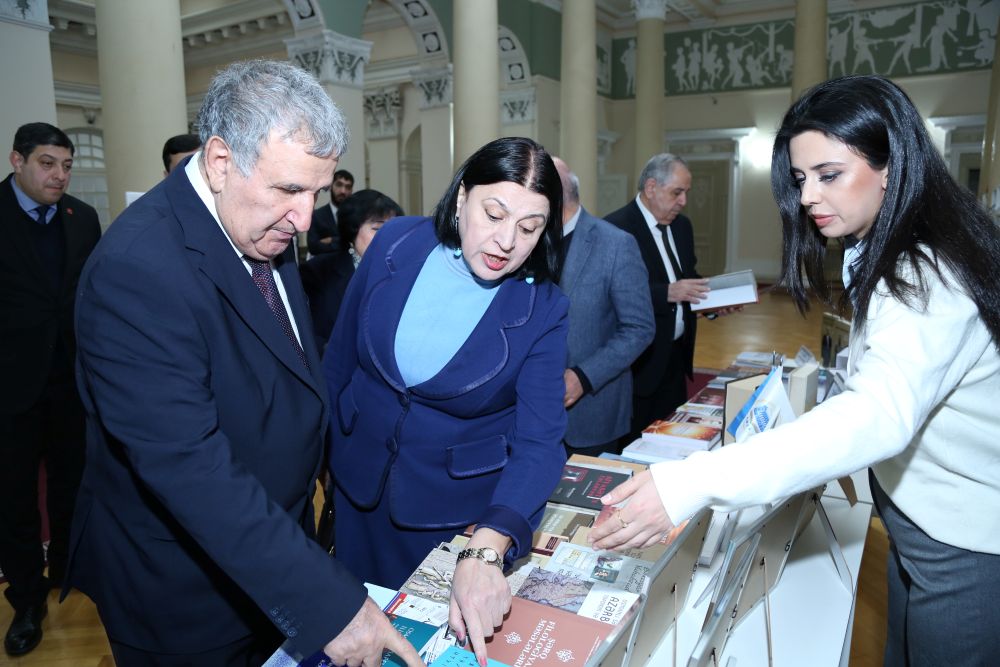
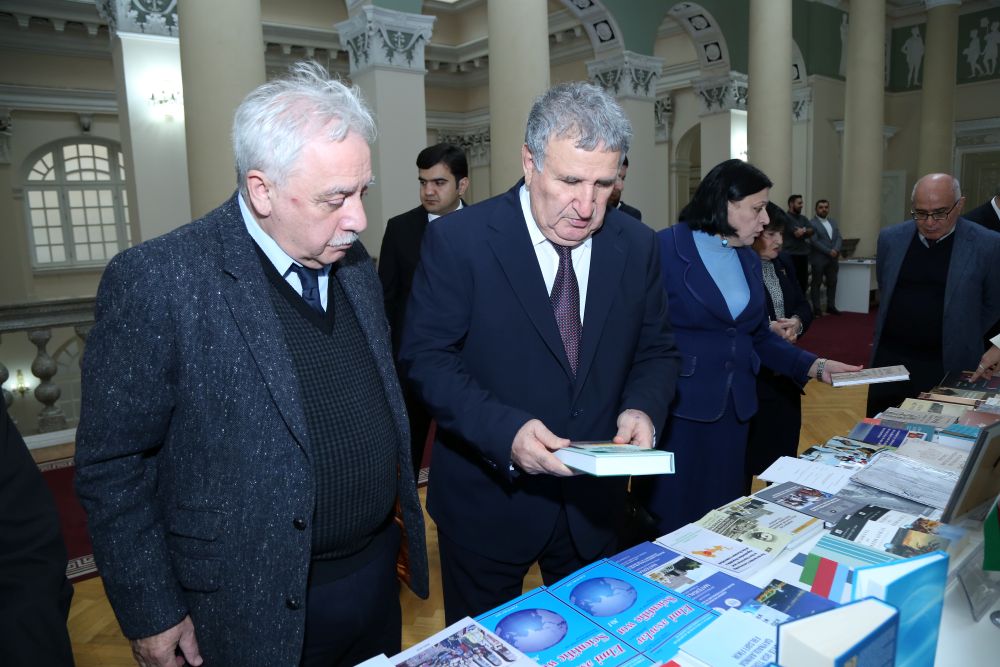
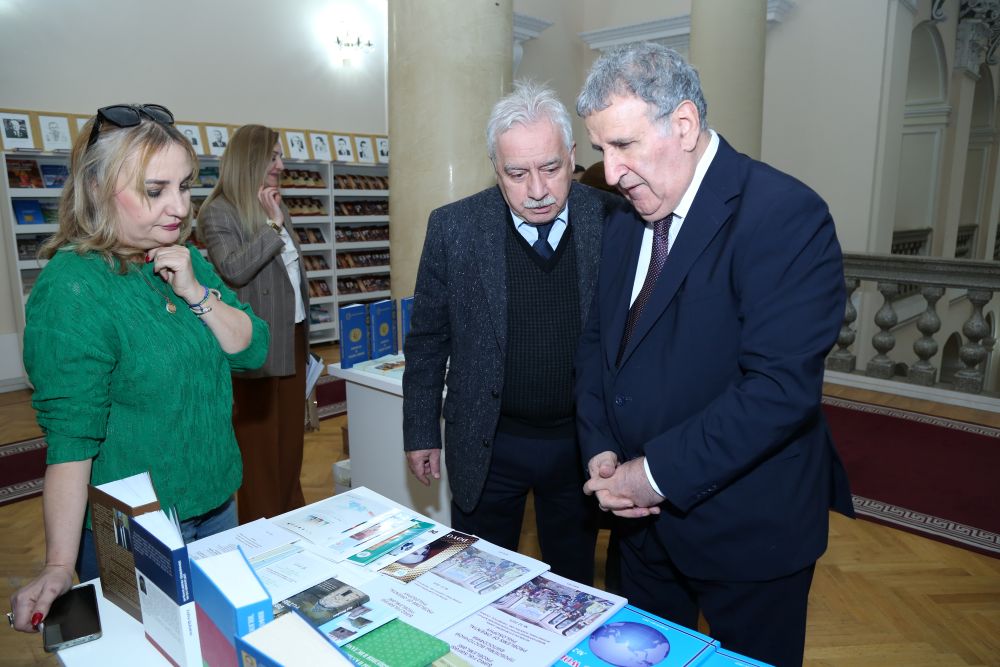

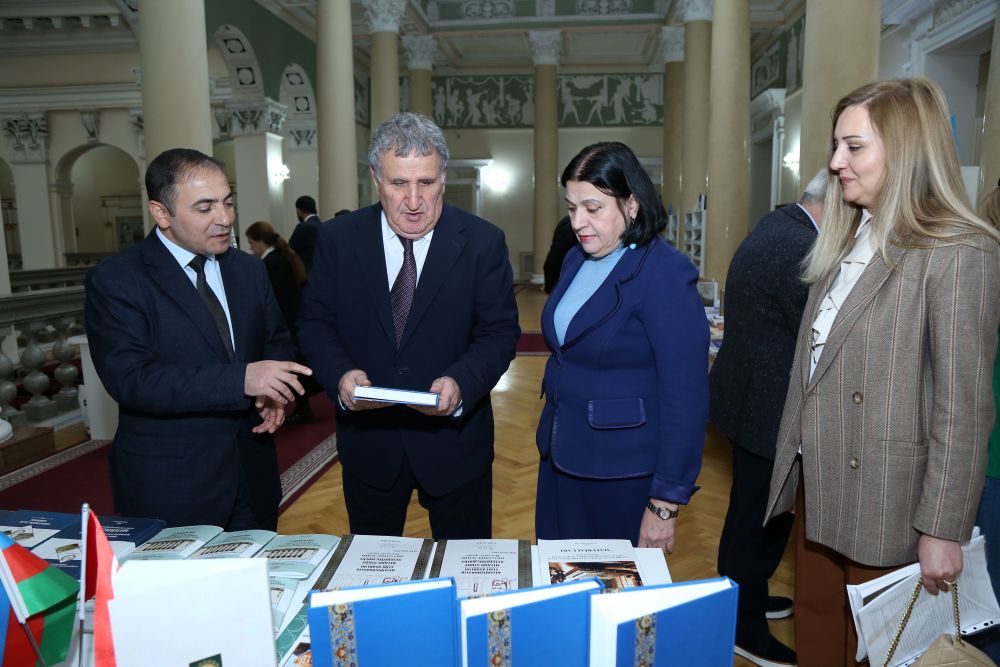
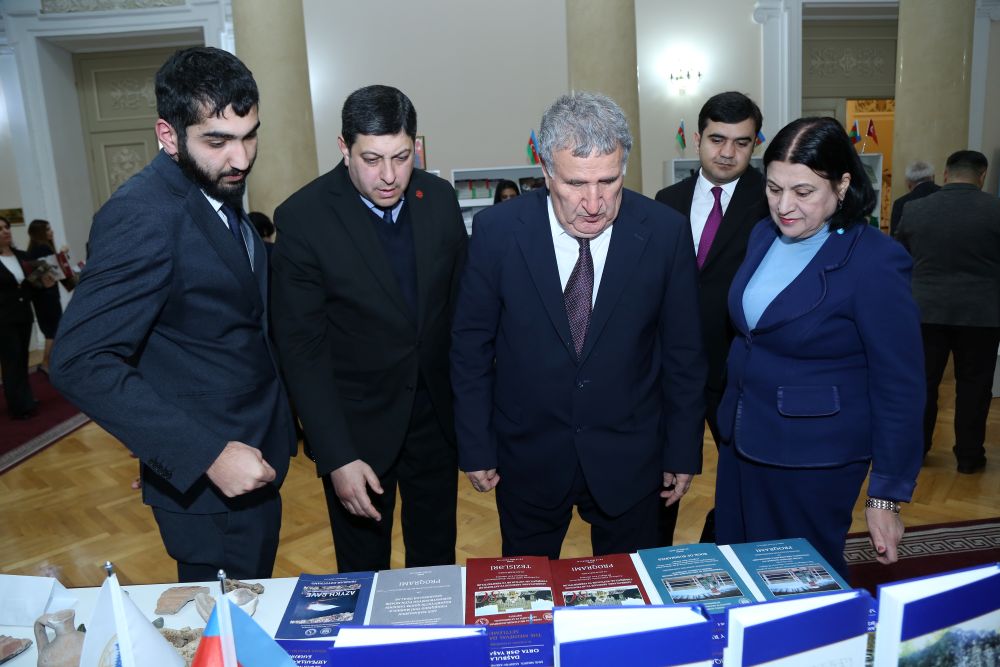
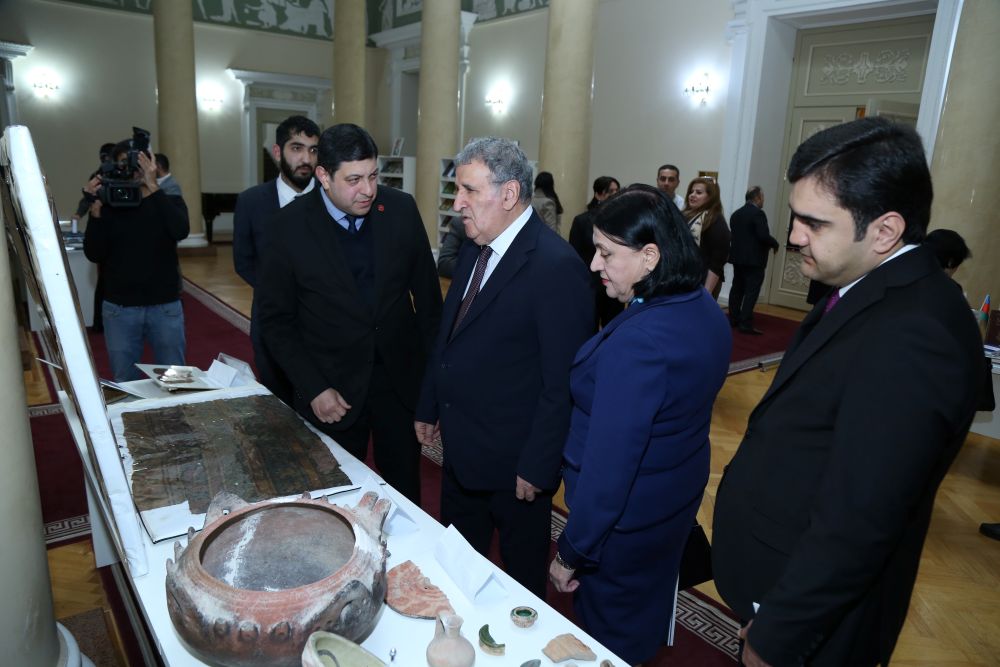

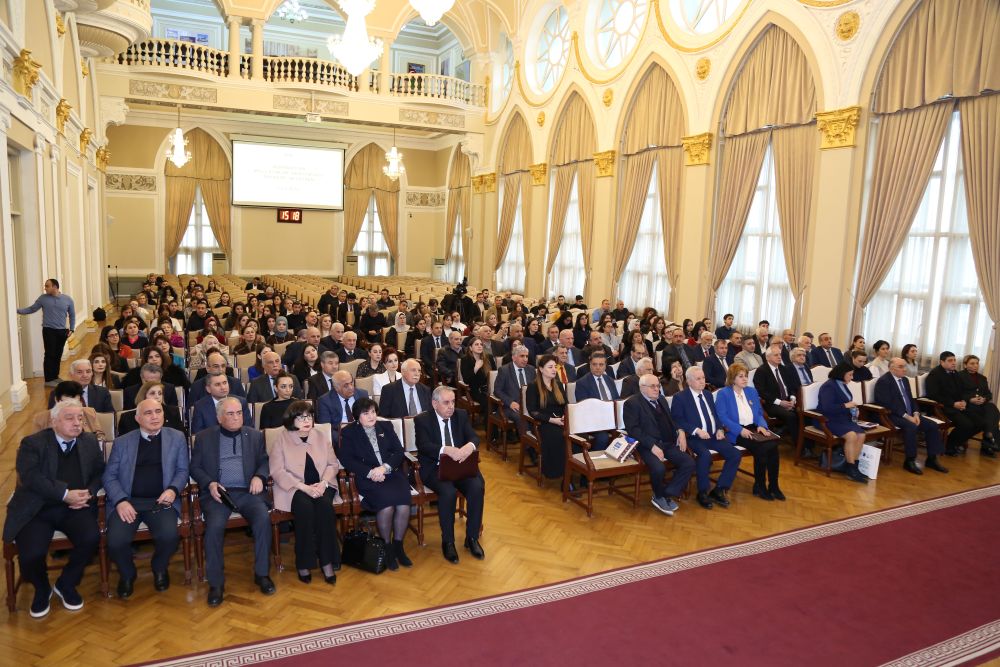
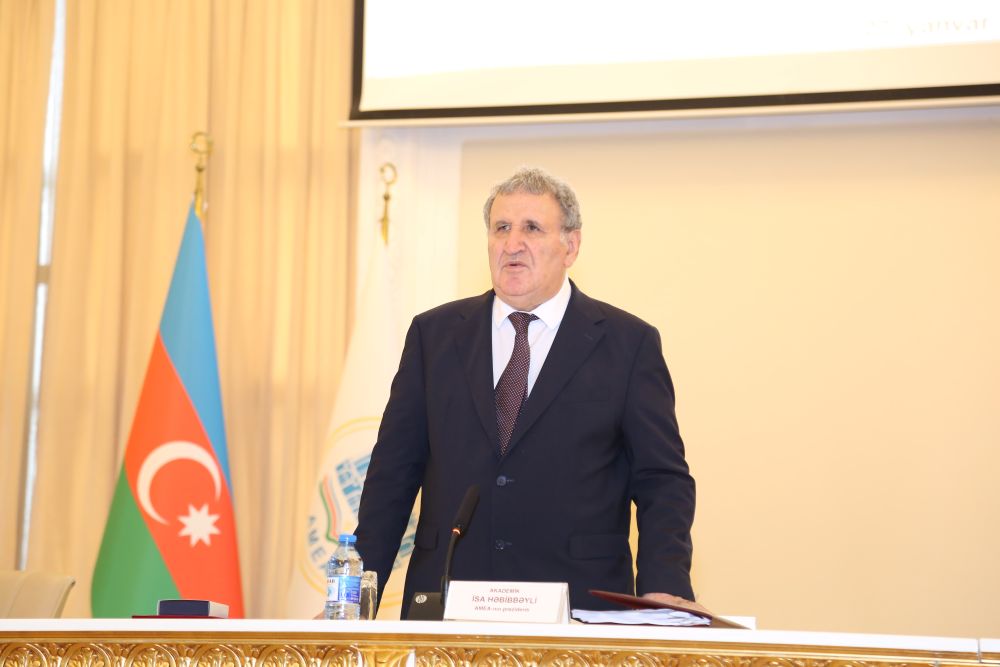
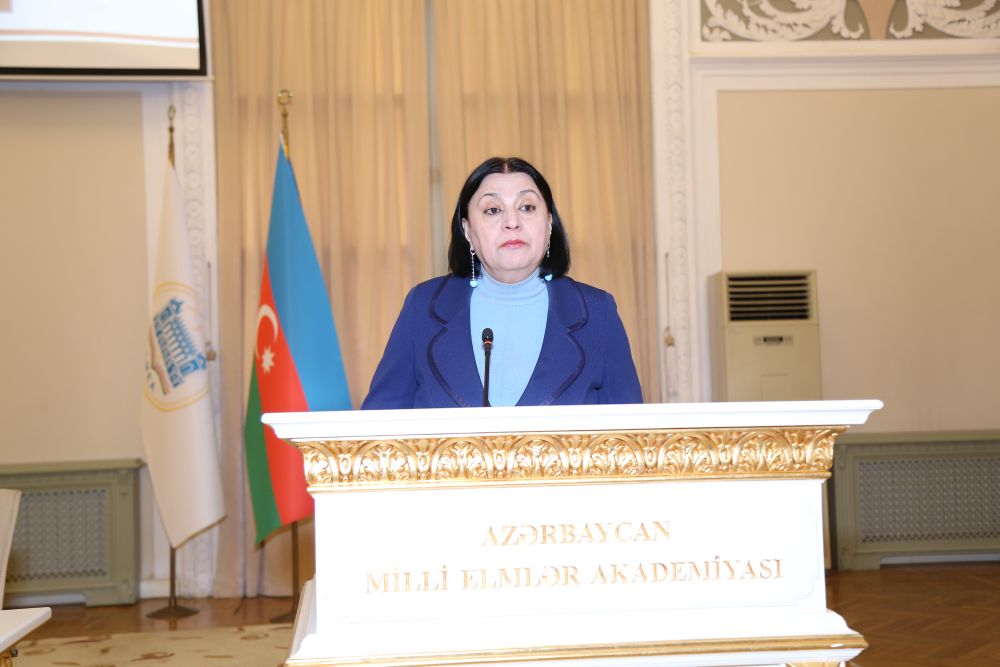
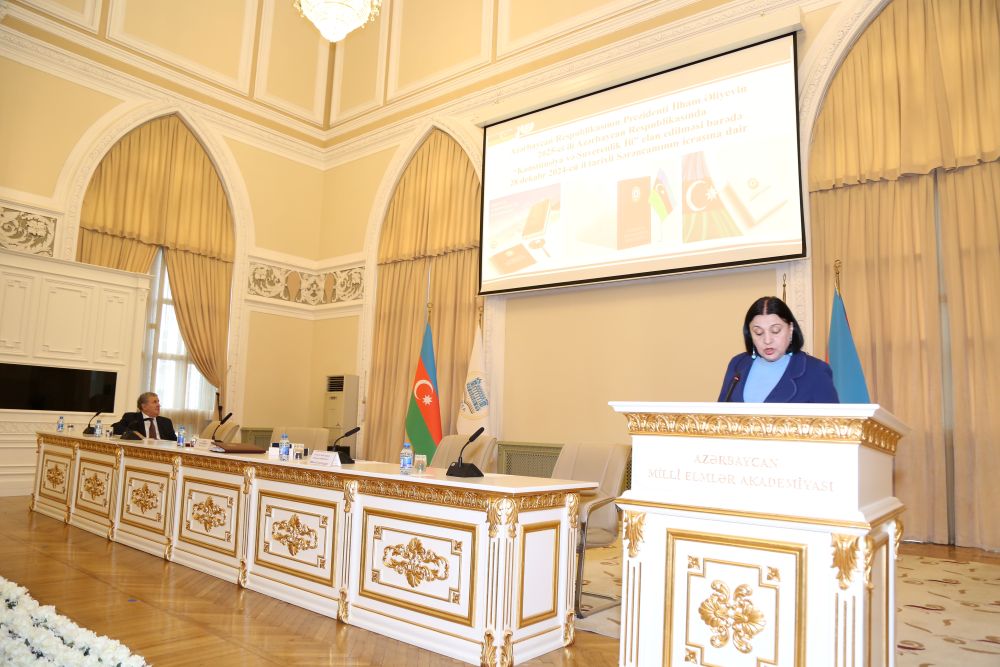
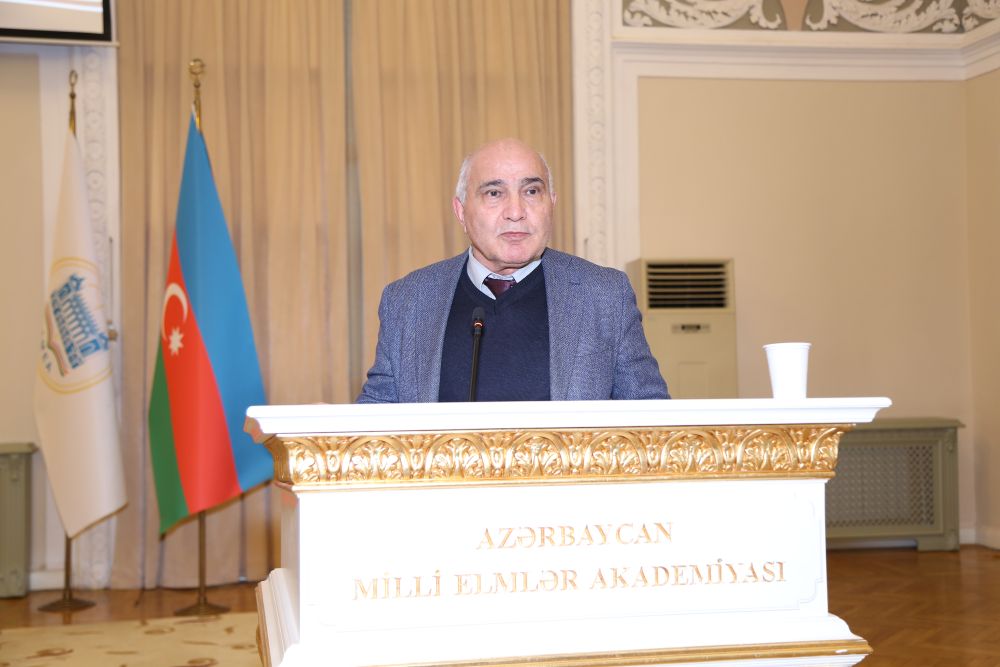
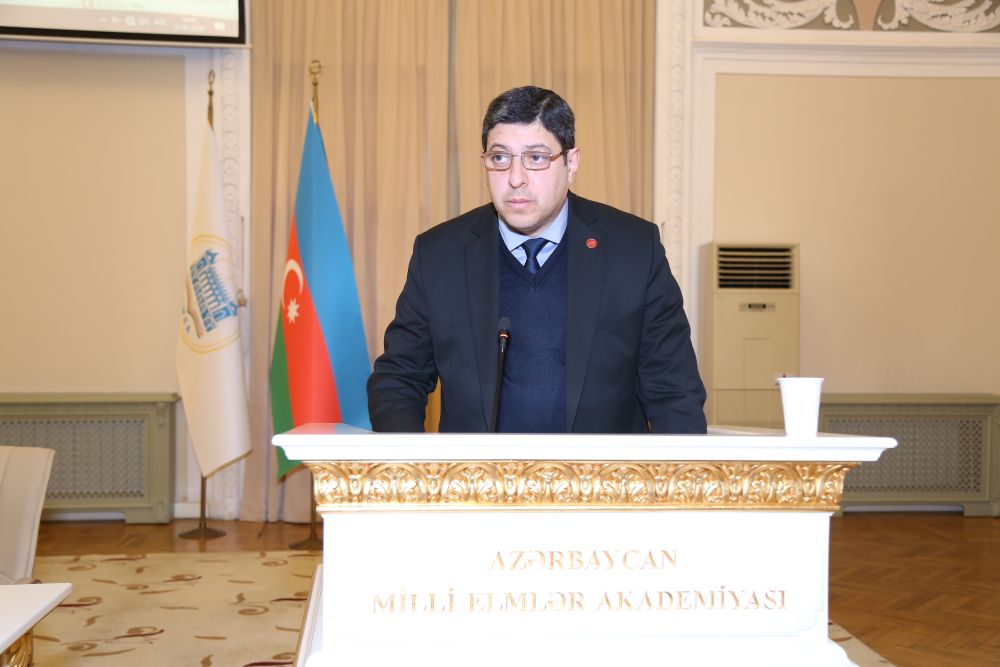
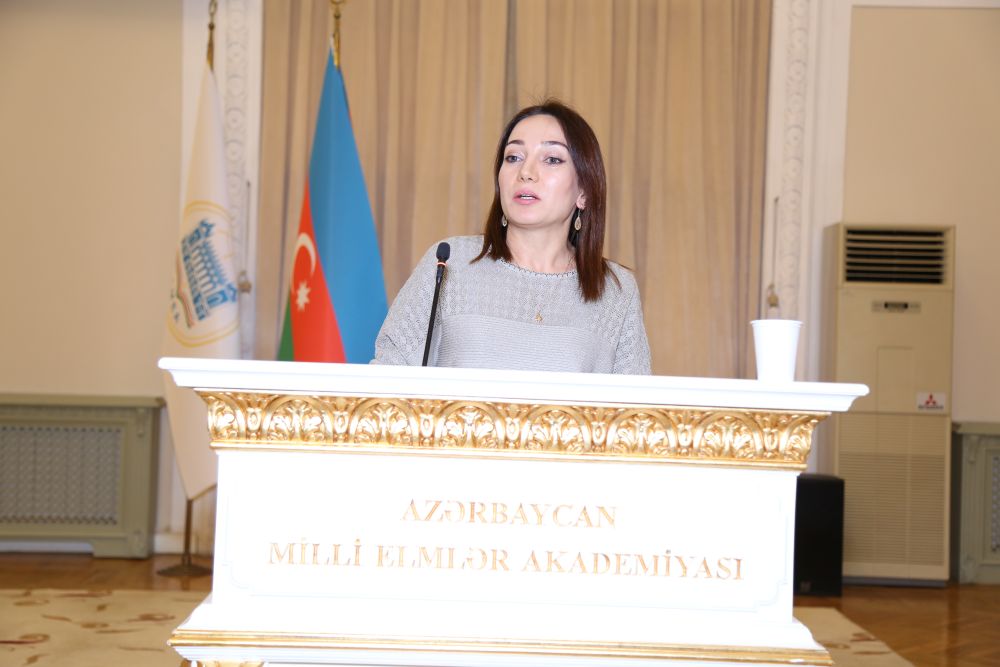
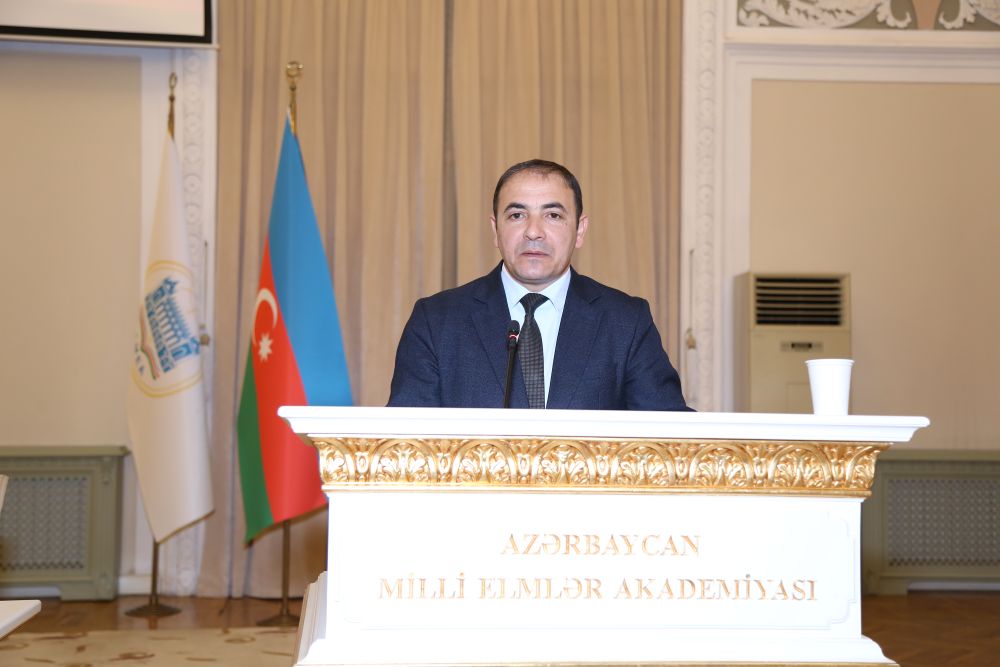

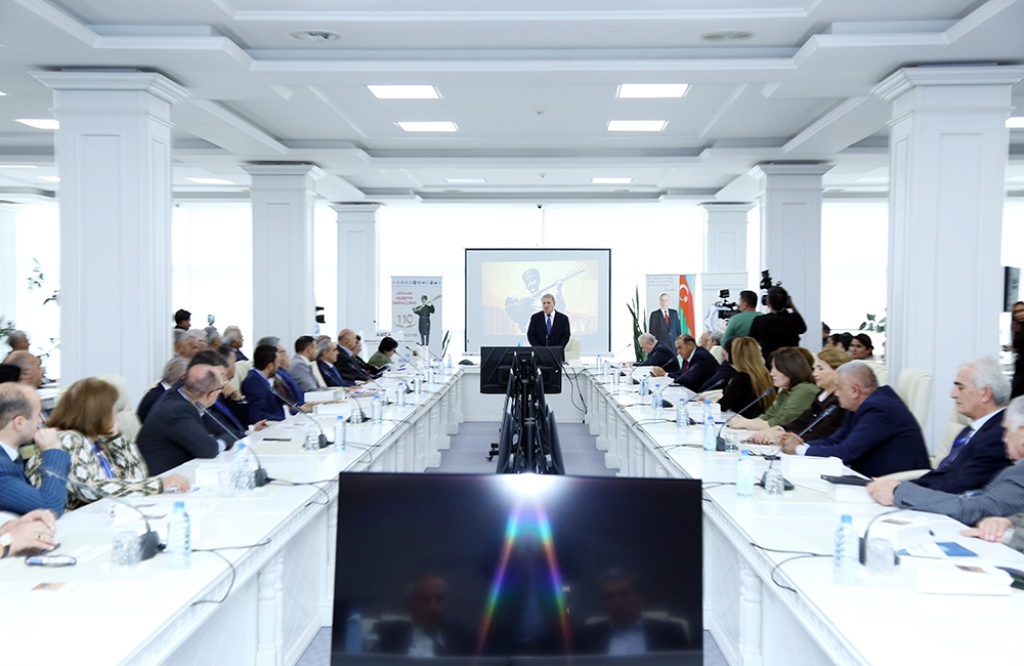
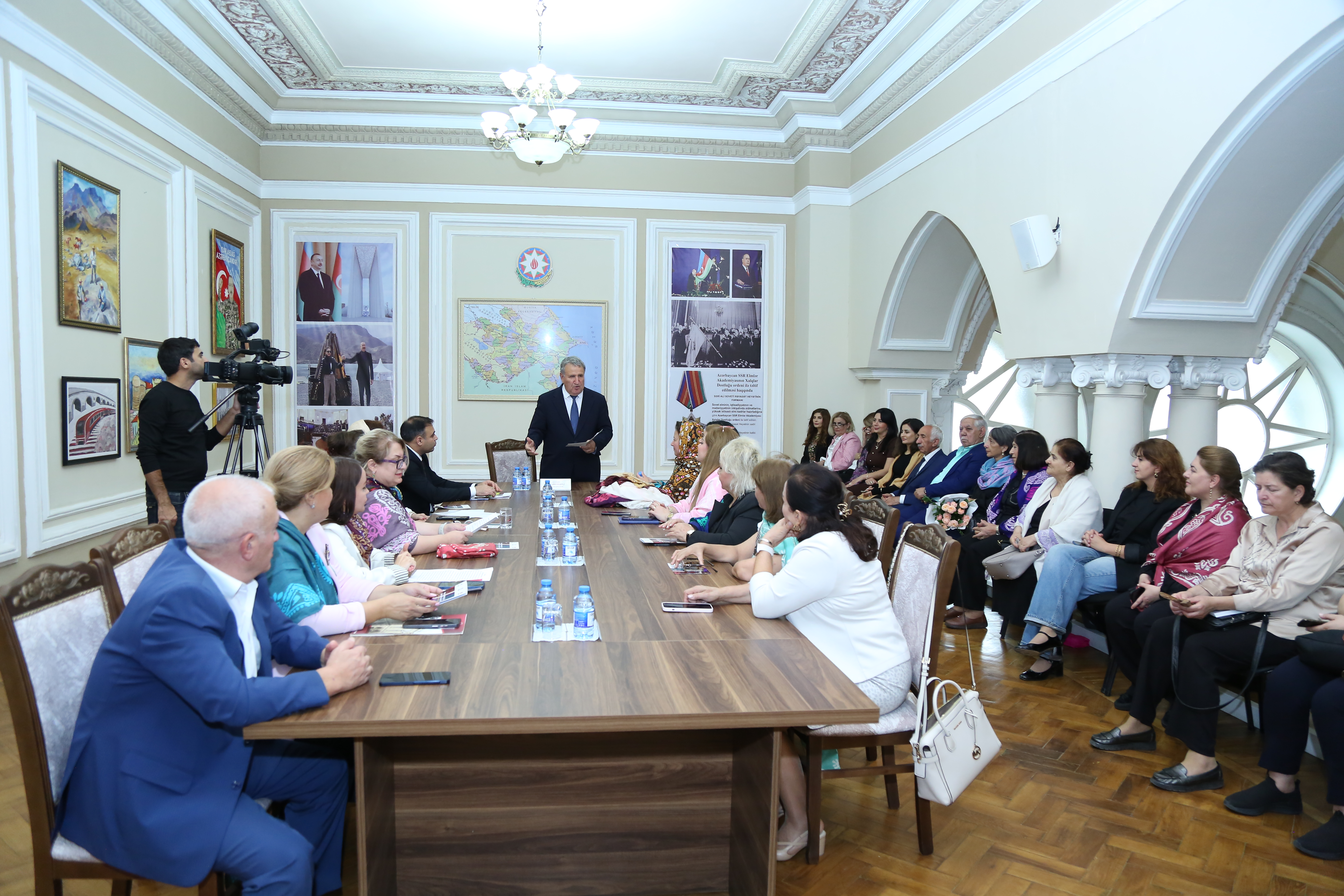
On January 27, a meeting of the Presidium of the Azerbaijan National Academy of Sciences (ANAS) dedicated to the discussion of the 2025 annual reports of the Division of Social Sciences (DSS) and the Ganja Branch was held.
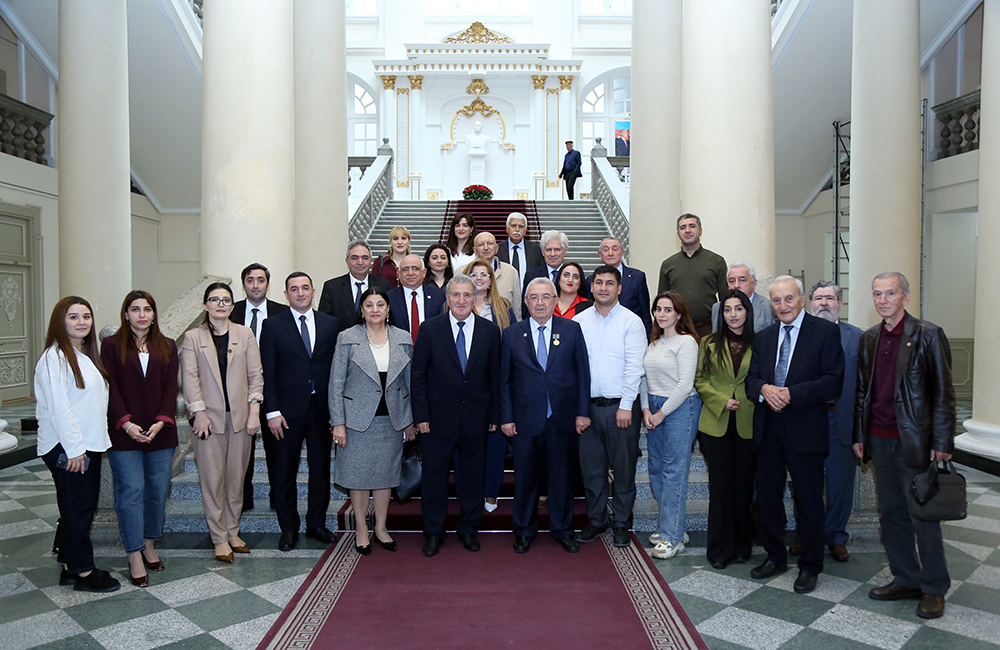
The event was attended by the President of ANAS, Academician Isa Habibbeyli, members of the Presidium, heads of departments of the ANAS Presidium Office, members of the division, directors of the division’s scientific institutions, authors of significant scientific results achieved, young scientists and specialists, as well as other relevant participants.
First, the participants viewed an exhibition reflecting the achievements of the divisions in 2025, as well as published scientific works and books.
Opening the meeting with introductory remarks, Academician Isa Habibbeyli provided information on the agenda. He noted that during the current month, the meetings of the ANAS Presidium heard reports on achievements obtained in relevant areas by scientific divisions, regional scientific centers, and external organizations. Academician Isa Habibbeyli emphasized that the scientometric indicators, digital presentations, and exhibitions presented to the public testify to the high development dynamics of Azerbaijani science. He stressed that Azerbaijani scientists also worked successfully in 2025, demonstrated effective performance, and achieved a number of important results both within ANAS and in external organizations.
Academician Isa Habibbeyli addressed the need to increase attention to personnel training issues. The head of ANAS stated that in order to strengthen efforts in this area, last year the Youth Academy was established on the basis of the Council of Young Scientists and Specialists of the Academy, drawing on world experience. In addition, the ANAS “Young Scientist of the Year” award was instituted, and awards are also given to scientists whose articles are published in impact factor journals.
Academician Isa Habibbeyli conveyed relevant instructions to the directors of scientific institutions and organizations regarding increasing attention to personnel training and work with young people.
Stating that 2025 has been marked by highly significant events for the life of the Academy, Academician Isa Habibbeyli said that the head of state, in his speech at the ceremony marking the 80th anniversary of ANAS, defined the future directions of activity for Azerbaijani science and scientists. He also noted that during President Ilham Aliyev’s interview with local television channels on January 5, guiding points regarding the development of science and education were highlighted, emphasizing that societal development depends on the development of science and education.
Academician Isa Habibbeyli noted that during the previous period, the social sciences and prominent scholars in this field played an important role in the development of public thought, the ideology of Azerbaijanism, and national and moral values in the country. He emphasized the necessity of continuing historical scientific traditions at a new level of modern development.
Next, the report on the scientific and scientific-organizational activities of the Scientific Council of the Division of Social Sciences for 2025 was heard. The report was presented by Acting Vice-President of ANAS and Chair of the Scientific Council of the Division of Social Sciences, Academician Govhar Bakhshaliyeva.
She noted that last year, research conducted at the division’s institutions was mainly focused on the implementation of the President’s decrees and orders, including “The First State Program on the Great Return to the Liberated Territories of the Republic of Azerbaijan,” “On Declaring 2025 the Year of the Constitution and Sovereignty in the Republic of Azerbaijan,” “On Approval of the Digital Development Concept of the Republic of Azerbaijan,” “On Approval of the Artificial Intelligence Strategy of the Republic of Azerbaijan for 2025–2028,” “On Celebrating the 80th Anniversary of the Azerbaijan National Academy of Sciences,” “On Celebrating the 140th Anniversary of Uzeyir Hajibeyli,” “On Celebrating the 120th Anniversary of Academician Yusif Mammadaliyev,” “On Celebrating the 100th Anniversary of Bakhtiyar Vahabzade,” “On Celebrating the 190th Anniversary of Seyid Azim Shirvani,” “On Celebrating the 150th Anniversary of Fatali Khan Khoyski,” “On Holding the 100th Anniversary of the First Turkological Congress,” and others. Work was also carried out in line with the instructions and recommendations of the head of state regarding Western Azerbaijan and Caucasian Albania.
The academician noted that in 2025, at the scientific institutions of the DSS, 491 research works were conducted on 87 topics related to 32 problems, and 72 topics and 425 works were completed.
Providing information on the publishing activity of the division’s scientific institutions, Academician Govhar Bakhshaliyeva stated that in 2025, a total of 1,594 works were published within the division. Of these, 32 were books (2 published abroad), 66 monographs (16 abroad), 1,078 articles (309 abroad), 389 theses (123 abroad), 5 textbooks, and 25 teaching aids. In addition, 39 articles were published in impact factor journals, and 2,962 citations to the works of scholars were recorded.
In organizations within the division’s scope, 1,938 works were published, including 68 books (5 abroad), 47 monographs (16 abroad), 81 textbooks and teaching aids, 958 articles (493 abroad), and 482 theses (122 abroad). A total of 315 articles were published in journals indexed in the Web of Science and Scopus databases, and 1,137 citations to employees’ works were recorded.
Academician Govhar Bakhshaliyeva stated that within the framework of the “Year of the Constitution and Sovereignty,” in accordance with the President’s decree, 4 international and 3 national conferences, 4 scientific seminars, 1 scientific session, 2 round tables, and 1 event were held at the division’s research institutions; the proceedings of 1 international conference were published; and 1 new department was established. She noted that within this framework, conferences, round tables, and seminars were held on topics such as “Artificial Intelligence and Modern Consciousness: In the Context of the Year of the Constitution and Sovereignty,” “The Logical Outcome of Our National Struggle: Constitution and Sovereignty,” “Azerbaijani Archaeology in the Year of the Constitution and Sovereignty: Achievements and Prospects,” “The Constitution of the Republic of Azerbaijan: 30 Years of State-Building Experience,” and others. The proceedings of the international scientific conference on “Modern Constitutionalism and a New Perspective on Sovereignty in the Republic of Azerbaijan” were also published.
The speaker also highlighted the work carried out in line with the President’s decrees on celebrating the 80th anniversary of ANAS, the 140th anniversary of Uzeyir Hajibeyli, the 120th anniversary of Academician Yusif Mammadaliyev, the 100th anniversary of Bakhtiyar Vahabzade, the 190th anniversary of Seyid Azim Shirvani, the 150th anniversary of Fatali Khan Khoyski, and the 100th anniversary of the First Turkological Congress, as well as within the framework of the Digital Development Concept and the Artificial Intelligence Strategy of the Republic of Azerbaijan for 2025–2028. In this context, publications such as “ANAS on the Path of Renewal and Reforms,” “Philosophy and History of Artificial Intelligence: A Cultural and Epistemological Approach,” “Digital Sociology: Theoretical, Methodological, and Historical Aspects,” and others were published.
Academician Govhar Bakhshaliyeva noted that archaeologists continued activities aimed at passportization of archaeological monuments registered by the Ministry of Culture of the Republic of Azerbaijan and registration of newly discovered sites. To eliminate errors in existing lists and include historically, architecturally, and archaeologically significant objects in the list of state-protected monuments, a Working Group comprising representatives of the State Service for the Protection, Development, and Restoration of Cultural Heritage under the Ministry of Culture, ANAS, and other relevant bodies conducted inspections of various sites across the country and prepared reports.
In addition, arising from the First State Program on the Great Return, a number of works were carried out at the division’s institutes, books were published, nearly 30 research projects were implemented, and international expeditions operated in the liberated territories. Archaeological reconnaissance works were also conducted in Zangilan, Fuzuli, Khojavend, Khojaly, Aghdam, Gubadli, Kalbajar, Aghdara, and other areas within the framework of measures related to the search for missing persons in the liberated territories.
In the direction of studying the history and culture of Western Azerbaijan, books such as “Western Azerbaijan: Facts, Documents, Realities,” “Toponymic Crimes of Armenia,” and “The ‘Conciliatory Congress’ Between Azerbaijanis and Armenians (Caucasus Viceroyalty, February 20 – March 6, 1906)” were published. Updates were made to topographic maps related to place names within the territory of the Republic of Azerbaijan for the “Atlas of Western Azerbaijan,” and based on collected materials, maps of the Dereleyaz district and Western Zangezur were drawn. Work is also ongoing on the “Maps of the Regions of the Iravan Khanate.”
Based on the instructions and recommendations of the President, a number of research works were carried out by employees of the division’s research institutions, particularly the Institutes of History and Ethnology, and Archaeology and Anthropology, in the field of studying the history and culture of Caucasian Albania. Books and numerous articles were published. In particular, the monograph “Ancient Period Monuments of Caucasian Albania in the Lowland Karabakh” was published, and the monograph “Archaeological and Architectural Heritage of Caucasian Albania in the Christian Period” was submitted for publication. In addition, materials were collected from London, the Archives of the Georgian National Center of Manuscripts named after K. Kekelidze, and Russian archives to study sources related to Caucasian Albania.
Within the framework of work related to Iraqi Turkmens, the publication “Grammar of the Iraqi Turkmen Language (Based on the Azerbaijani Language)” was published in Azerbaijani and Arabic in Baku and Baghdad.
Academician Govhar Bakhshaliyeva also noted that departments studying the history and culture of Turkic peoples operate at the division’s institutes, and research is being conducted in areas such as “Study of the Political and Economic History of Turkey and Turkey–Azerbaijan Political and Economic Relations,” “Comparative Study of the History and Ethnology of Other Turkic Peoples Living in Azerbaijan (Past and Present),” and others.
The report also presented the scientometric indicators of the division’s employees, information on human resources potential and training, steps taken to strengthen the integration of science and education, popularization of science, the division’s scientific journals, international cooperation, awards, the state of e-science, as well as the activities of ANAS institutions’ websites and social media accounts.
During discussions on the reports, Professor Karim Shukurov, Doctor of Philosophy in History Farhad Guliyev, and young scientist Doctor of Philosophy in Philosophy Samira Dadashova spoke, sharing their views on the significant results achieved by the division and voicing proposals.
Subsequently, Academician Isa Habibbeyli addressed archaeological excavations carried out in Karabakh and Eastern Zangezur, noting that the highest indicator of publications in impact factor journals within the division was recorded at the Institute of Archaeology and Anthropology. He also stated that the Institute of History and Ethnology achieved more results in research related to Western Azerbaijan, while the Institute of Philosophy and Sociology made greater progress in studies on artificial intelligence and digital technologies. He emphasized the great potential of the Institute of History and Ethnology and the Institute of Oriental Studies in reintroducing historical maps into scientific circulation and stressed the importance of accelerating research in this direction. He also noted that studies on Caucasian Albania are planned to be conducted in the Kalbajar area.
Academician Isa Habibbeyli stated that research on Iraqi Turkmens continued at ANAS in the current year and that the publication of “Grammar of the Iraqi Turkmen Language (Based on the Azerbaijani Language)” was a major success. He noted that last year, at the ruins of the ancient city of Kharaba Gilan, the arch of an architectural monument authored by Ajami Nakhchivani was identified, and further expansion of research in this direction is planned.
The head of ANAS assessed the division’s activities in 2025 as satisfactory and expressed confidence that the division’s employees would continue to work steadily in 2026 toward promoting the country’s socio-cultural and national-moral values.
The report on the scientific and scientific-organizational activities of the Ganja Branch of ANAS for 2025 was then presented by the branch’s Deputy Chairman for Research, Associate Professor Alimukhtar Mukhtarov, PhD in Philology.
Alimukhtar Mukhtarov noted that during the reporting year, activities at the branch’s institutions were carried out based on the decrees and decisions on declaring 2025 the Year of the Constitution and Sovereignty, celebrating the 80th anniversary of ANAS, approving the Artificial Intelligence Strategy of the Republic of Azerbaijan for 2025–2028, as well as the President’s decrees on anniversaries of prominent figures of the Azerbaijani people, the “ANAS Development Program for 2020–2025,” the State Program on the Restoration and Sustainable Development of the Liberated Territories of the Republic of Azerbaijan for 2021–2025, and decisions of the Cabinet of Ministers of the Republic of Azerbaijan, the ANAS Presidium and General Assembly, and orders and instructions of the Ganja City Executive Authority.
At the scientific institutions of the Ganja Branch of ANAS, research was conducted on 19 topics covering 13 problems across 20 works and 24 stages; 19 topics, 20 works, and 24 stages were completed, and 3 significant results were obtained. During the reporting year, the branch’s employees published 2 books, 1 monograph, 2 booklets, 48 articles (10 abroad), and 84 conference materials (14 abroad), and 54 citations to their works were recorded in international scientometric databases.
The speaker noted that research conducted at the Ganja Branch covered areas such as “Study of the Life and Works of Nizami Ganjavi,” “History of the Development of the Azerbaijani Language,” “Azerbaijani Folklore,” “History of Azerbaijani Literature and Its Stages of Development,” “Musical Art,” “Study of Ganja Fine Arts,” “Research of Archaeological and Ethnographic Monuments of the Western Region,” and “History of the Western Region,” resulting in significant findings.
Alimukhtar Mukhtarov stated that during the reporting period, books and monographs titled “Ganja as a Temple of Science” and “Scholars and Artists of Ganja,” dedicated to the 80th anniversary of ANAS, were published, as well as a collection of reports dedicated to the Year of the Constitution and Sovereignty.
Within the topic “Nizami Ganjavi’s Creativity in American Studies,” the history of the study of Nizami Ganjavi’s legacy in world literature since the 15th century was examined, the geography of manuscript dissemination and research traditions were analyzed, and the importance of Nizami’s heritage in world Oriental studies, particularly its role in the development of moral and philosophical thought, was explored. In addition, based on the topic “Different and Similar Research Technologies in the Study, Translation, and Publication of Nizami Ganjavi’s Heritage in the Republic of Azerbaijan and Iranian Azerbaijan,” the national identity and creativity of the great Azerbaijani poet and thinker Nizami Ganjavi were extensively studied in the works of both Azerbaijani and Iranian scholars.
In accordance with the “State Program on the Use of the Azerbaijani Language in Line with the Requirements of the Time in the Conditions of Globalization and the Development of Linguistics in the Country,” the structure and use of mixed-type complex sentences in the Ganja dialect were studied. Both coordinating and subordinating conjunctions in mixed-type sentences of the Ganja dialect were analyzed, and a comparative analysis with other Western group dialects was conducted.
In addition, during the reporting year, under the topic “Thinkers Who Lived and Created in Karabakh in the Middle Ages,” the role and position of women poets of Karabakh in the Karabakh literary environment were studied.
Within the framework of the project “Study of Ancient Craft Traditions of Ganja,” the historical development of traditional crafts that existed since ancient times in Ganja and its surrounding areas, which were part of Caucasian Albania, particularly pottery and coppersmithing with rich traditions, was examined based on scientific and ethnographic research, archaeological expeditions, and written sources. The production of ceramic and copper utensils emerged as one of the main branches of craftsmanship in the region.
The speaker also highlighted work carried out based on the President’s decrees on the Year of the Constitution and Sovereignty, the celebration of the 80th anniversary of ANAS, the 140th anniversary of Uzeyir Hajibeyli, the 100th anniversary of Bakhtiyar Vahabzade, the 190th anniversary of Seyid Azim Shirvani, and the 150th anniversary of Fatali Khan Khoyski.
He also presented information on the human resources potential and training at the Ganja Branch, strengthening the integration of science and education, international cooperation, awards, and the state of e-science.
Expressing his views on the report, Academician Isa Habibbeyli highly appreciated the work carried out at the Ganja Branch on the study and promotion of the life and activities of Nizami Ganjavi, as well as steps taken in fulfilling other tasks, and expressed confidence that the achieved results would continue to grow in 2026.
In conclusion, by decision of the Presidium, the activities of the Division of Social Sciences and the Ganja Branch for 2025 were highly assessed, and it was decided to include the significant results achieved in the annual report of ANAS.
Translation by Gulhane Aghayeva, Department of Public Relations, Press, and Information, Presidium of ANAS.
© All rights reserved. Reference to www.science.gov.az is required when using materials from this site.
Similar News
Links