Azerbaijan National Academy of Sciences
The first website of Azerbaijan (1995)
 Elm TV
 Photo
Photo
 Video
Video
- A-
- A
- A+
The Sheki Regional Scientific Center of ANAS Reports on Its Activities in 2025


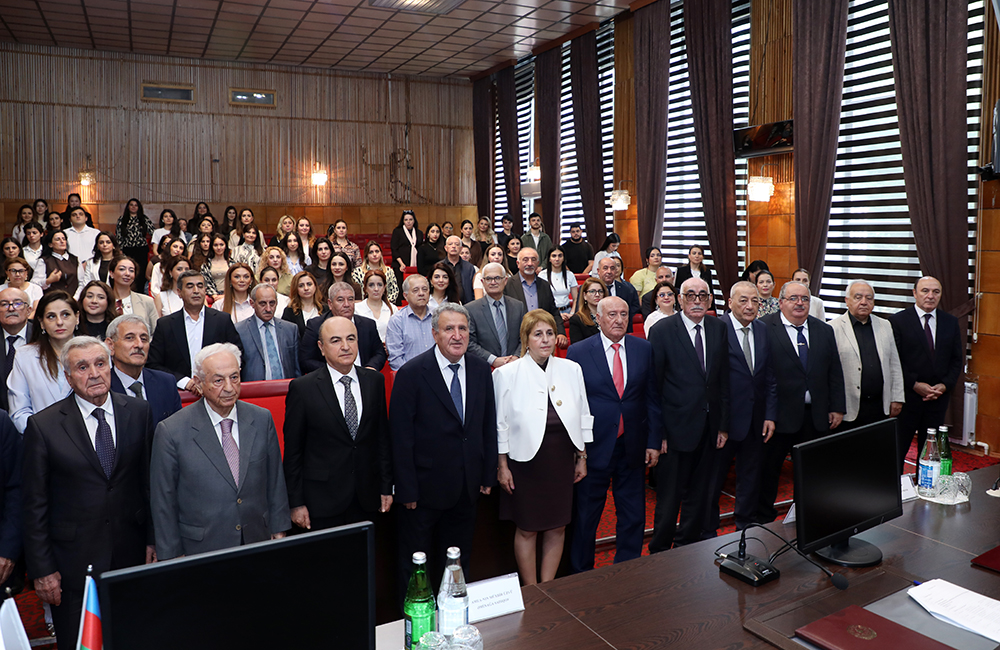
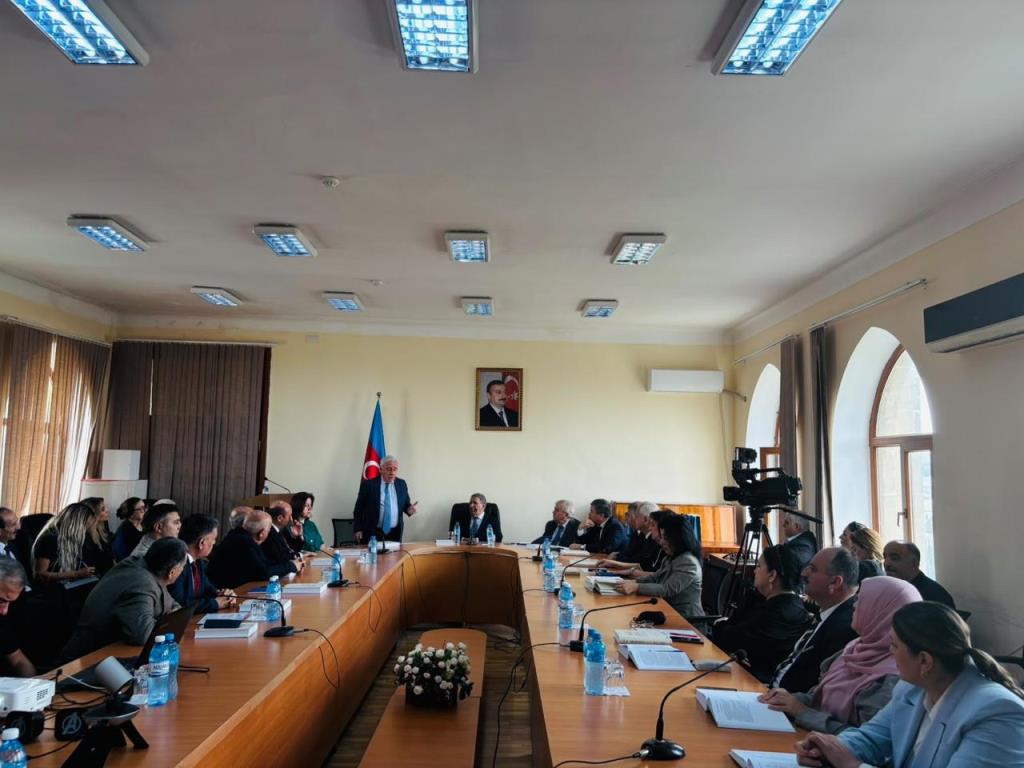
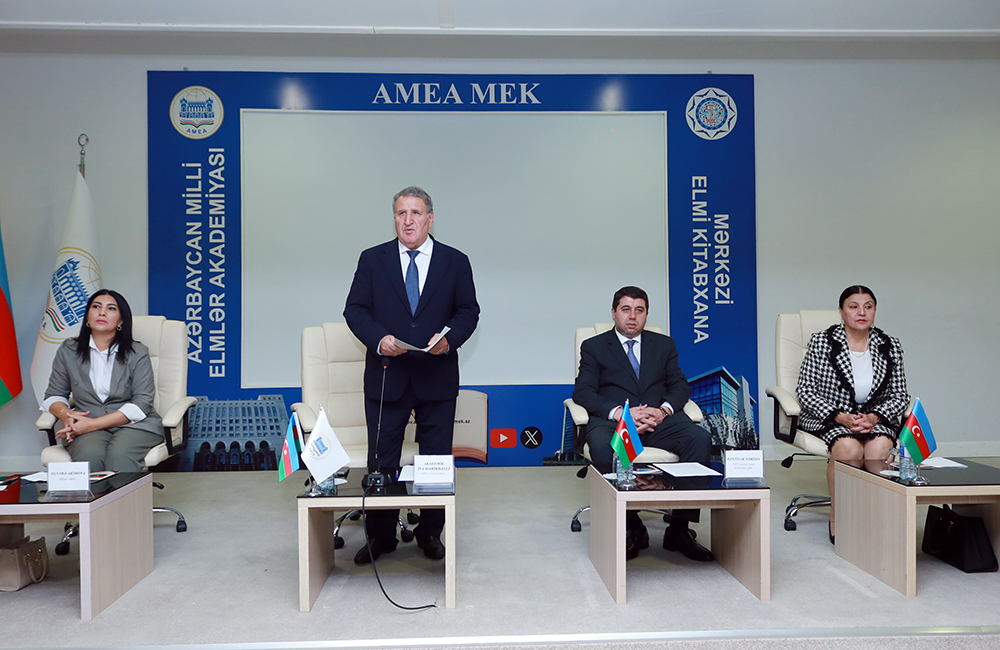
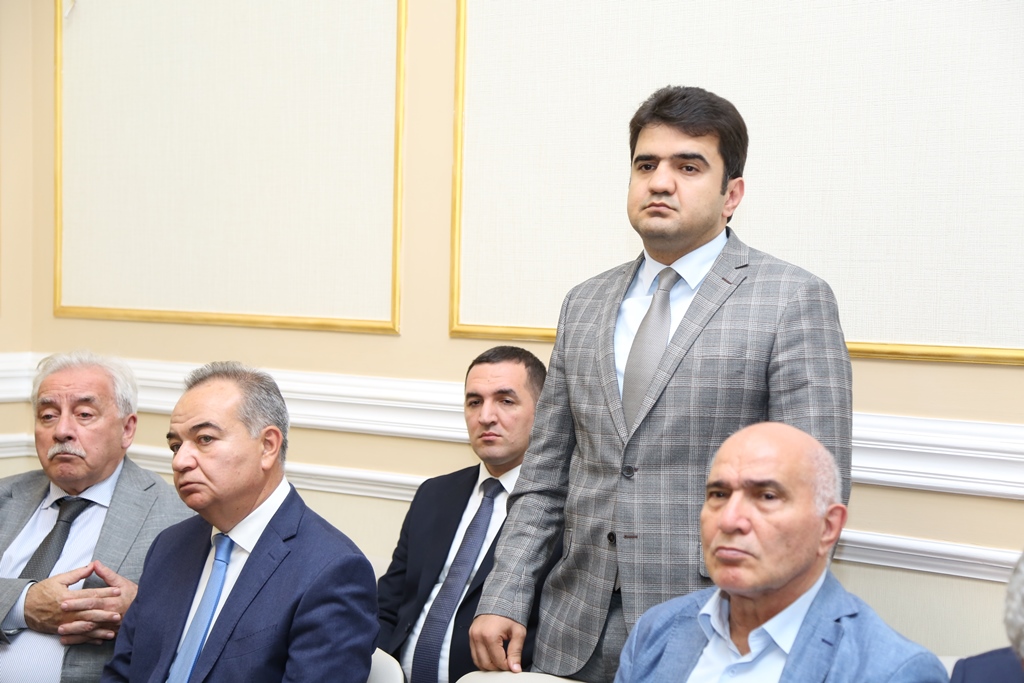
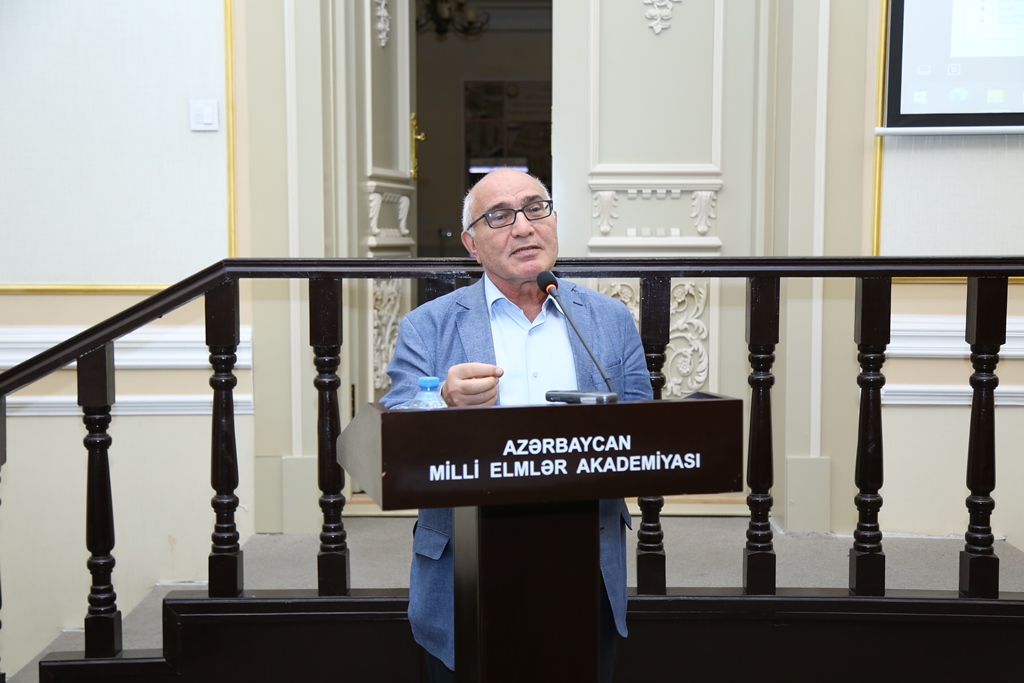
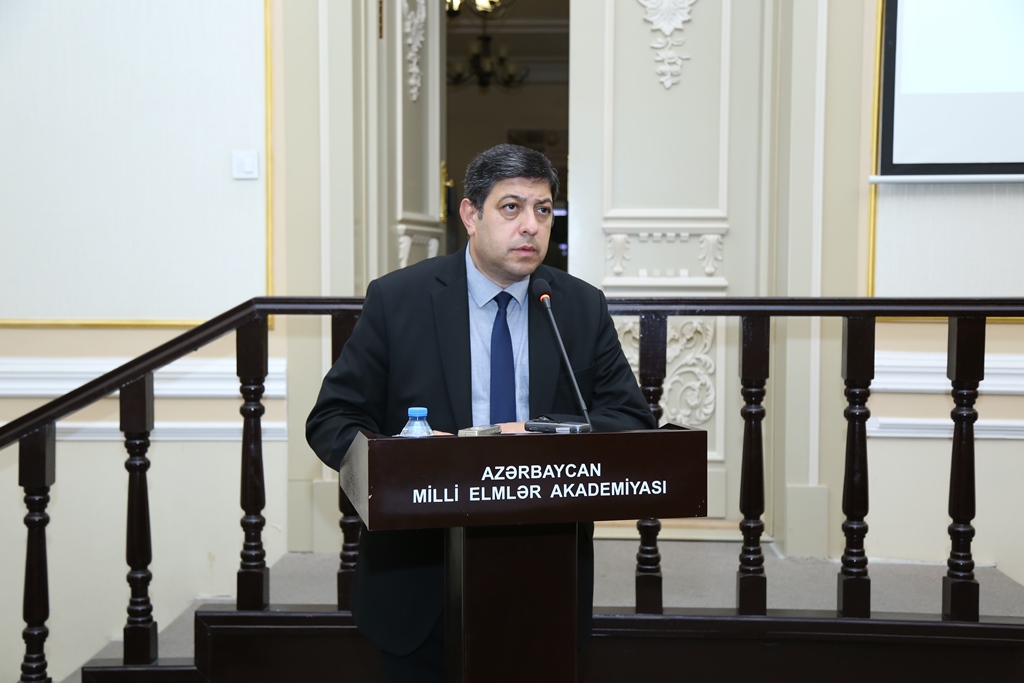
At today’s meeting of the Presidium of the Azerbaijan National Academy of Sciences (ANAS), a report on the scientific and scientific-organizational activities of the Sheki Regional Scientific Center (SRSC) for 2025 was heard.
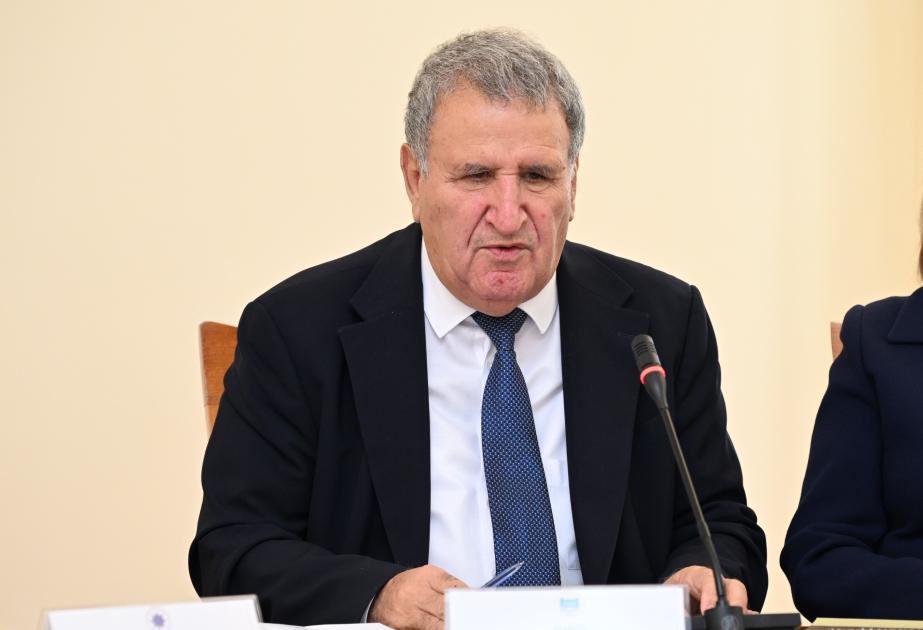
The report was presented by the Center’s Director, PhD in Physics Yusif Shukurli, who stated that during the reporting year, 19 research projects were carried out across 11 topics in 6 new priority areas at the Sheki RSC, resulting in 25 significant outcomes.
In his speech, Y. Shukurli highlighted the work carried out at the Center in line with the Presidential decrees on the “Year of the Constitution and Sovereignty,” the “Digital Development Concept of the Republic of Azerbaijan,” as well as “On Celebrating the 140th Anniversary of Uzeyir Hajibeyli,” “On Celebrating the 100th Anniversary of Bakhtiyar Vahabzadeh,” “On Celebrating the 190th Anniversary of Seyid Azim Shirvani,” “On Holding the 150th Anniversary of Fatali Khan Khoyski,” and “On Holding the 100th Anniversary of the First Turkological Congress.”
The speaker noted that during the reporting period, Center staff published 24 articles, including 11 abroad, and 30 conference abstracts, including 12 abroad. Five of the published articles appeared in journals indexed in the Web of Science and Scopus databases. In 2025, a total of 4 books were published at the Sheki RSC, including “Sheki Laughter and Gabrovo Humor” and “Subtextual Semantics in Bakhtiyar Vahabzadeh’s Works of the Soviet Period,” among others.
The scholar stated that significant results were obtained through research conducted by the Center’s staff in areas such as the study of the Sheki literary environment, comparative analysis of Sheki and Gabrovo anecdotes, investigation of wild medicinal plants widespread in the Sheki district, and analysis of historical manuscripts in the Gabala and Zagatala districts, among other fields.
He also reported that studies conducted on 8 mulberry silkworm breeds imported from the Republic of Uzbekistan showed that the silk content of fresh cocoons ranged from 20.0 to 22.9 percent in the Gulshan, Nafis, Yulduz, Asaka, and Marvarid breeds. Compared to 2024, the silk content of fresh cocoons in 2025 was 1.3 percent higher in the Orzu, Guzal, and Marxamat breeds.
Yusif Shukurli further emphasized that, in accordance with the 2025 research plan, expeditions were organized to several villages of the Oguz district, where samples of pome, stone, and nut fruit varieties belonging to folk selection were collected, grafted onto rootstocks at the experimental field of the Sheki RSC, and biomorphological indicators were determined for each sample. In addition, he noted that an expedition was organized to the territories of Bash Shabalid and Bash Kungut villages for archaeological excavations, during which several soil and jar burials dating to antiquity, as well as a Christian stone box grave from the early Middle Ages, were discovered and included in research. He also highlighted that expeditions were organized to remote mountainous areas of the Balakan, Zagatala, and Sheki districts to assess ecotourism potential and monitor riverbeds.
The scholar also presented information on the Center’s human resources and personnel training, strengthening the integration of science and education, international cooperation, awards, and the state of e-science.
Following the discussions, by decision of the ANAS Presidium, the report of the Sheki Regional Scientific Center was approved, and it was decided to include the significant results obtained in ANAS’s annual report.
Translation by Gulhane Aghayeva, Department of Public Relations, Press, and Information, Presidium of ANAS.
© All rights reserved. Reference to www.science.gov.az is required when using materials from this site
Similar News


Links