Azerbaijan National Academy of Sciences
The first website of Azerbaijan (1995)
 Elm TV
 Photo
Photo
 Video
Video
- A-
- A
- A+
The New Geopolitical Realities of the South Caucasus and Azerbaijan’s Regional Energy Strategy
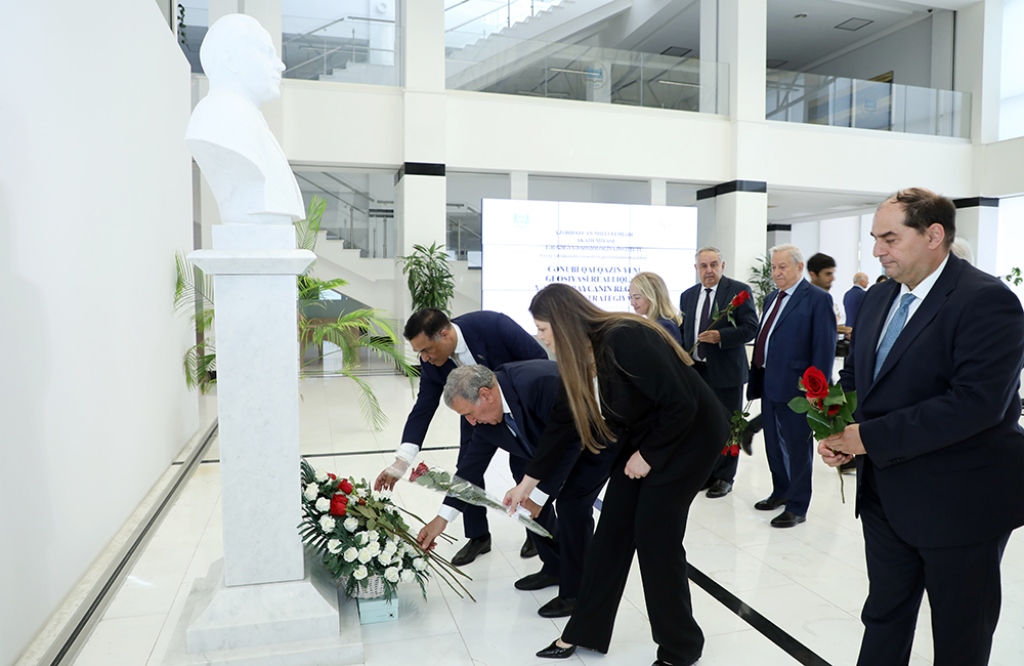
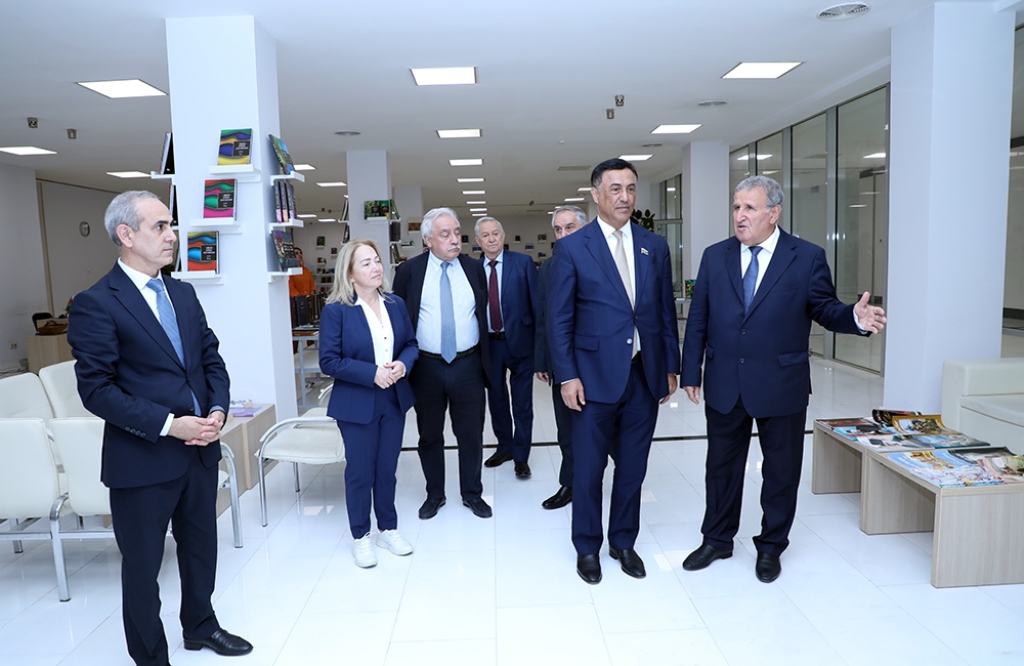
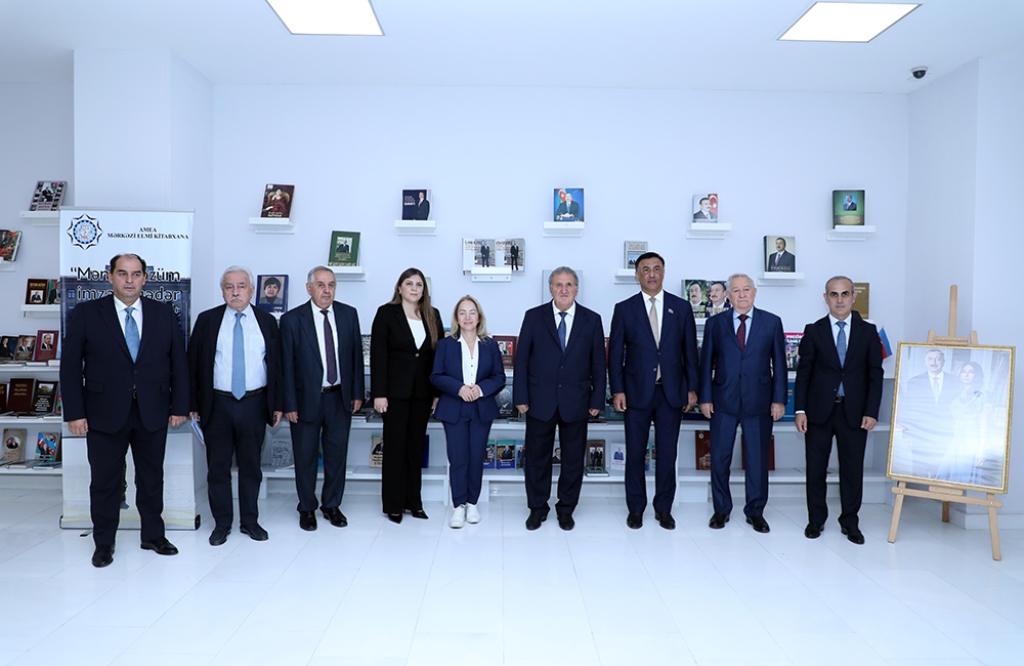
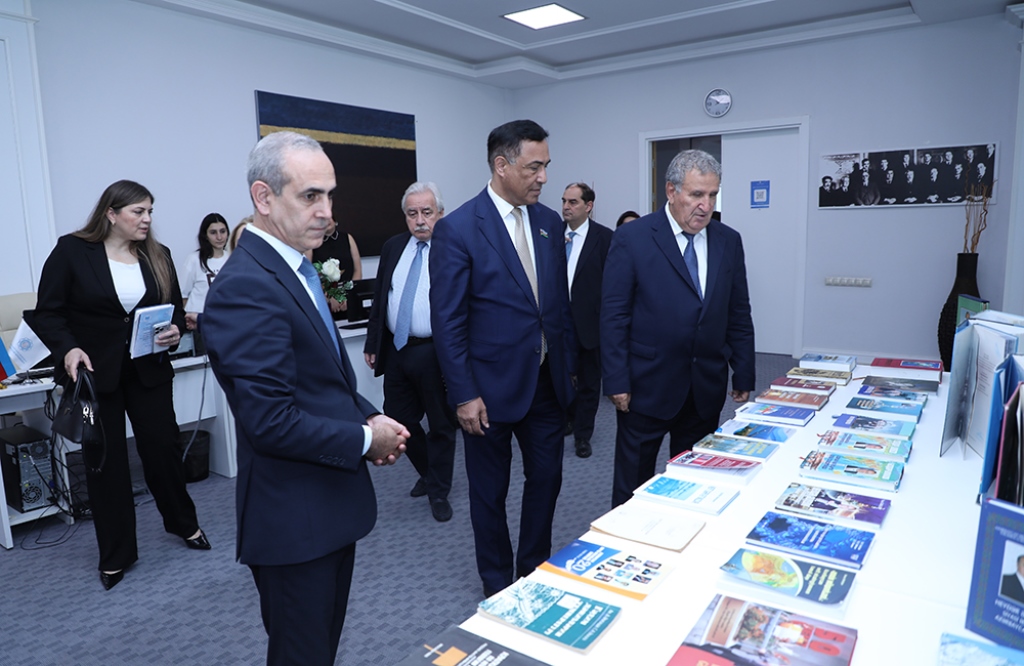
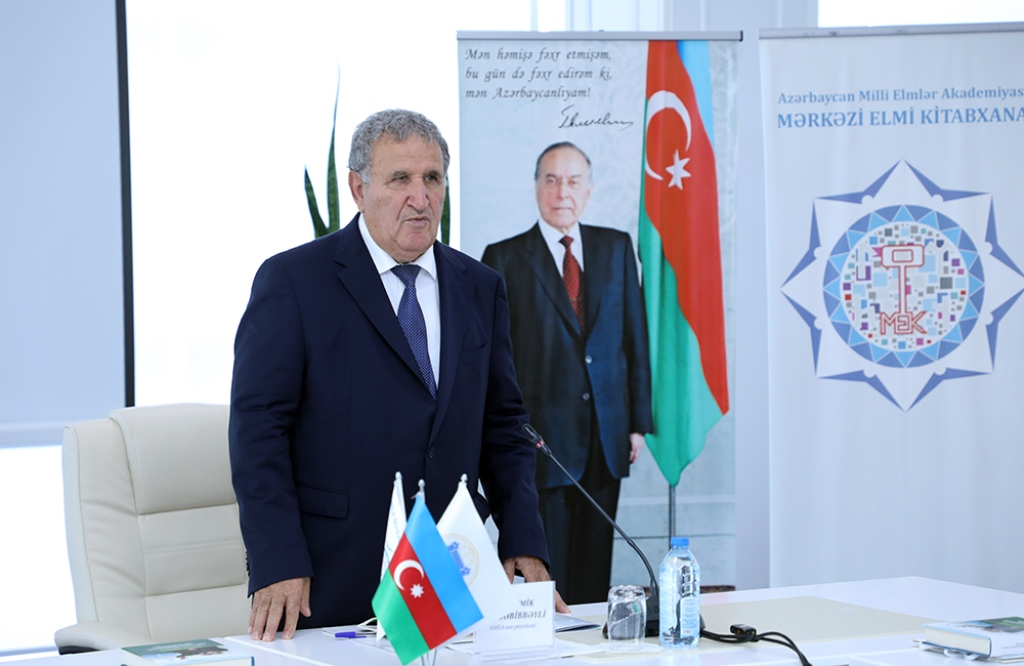
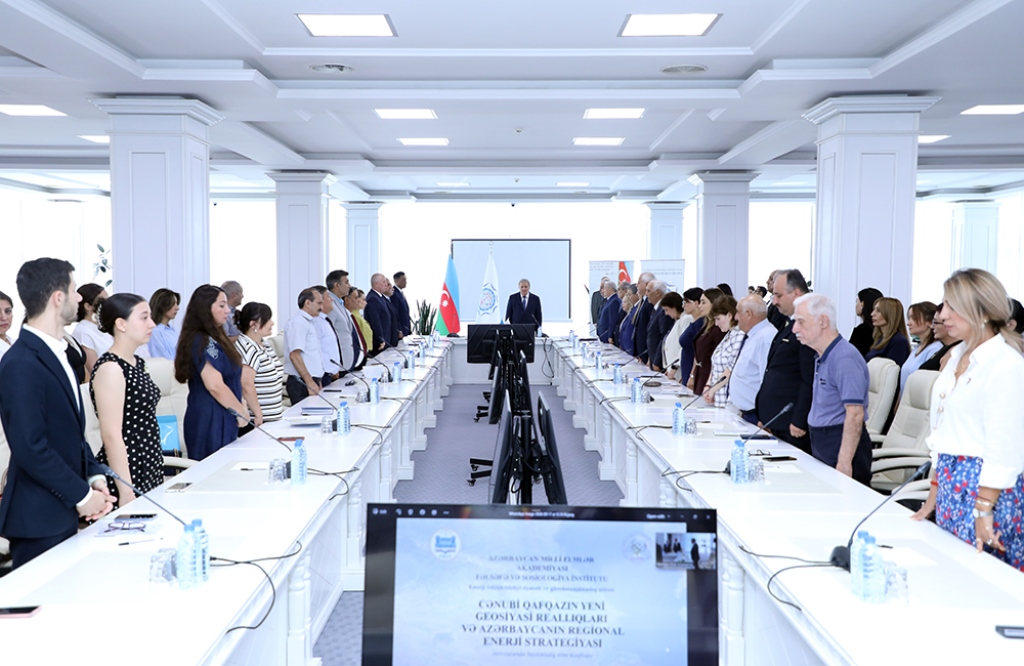
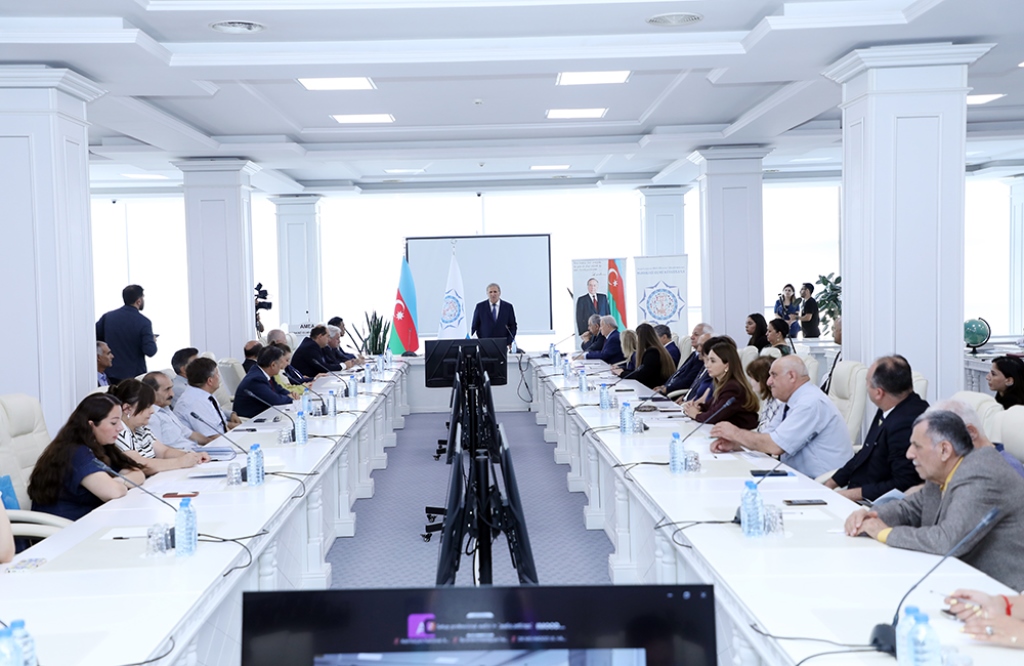
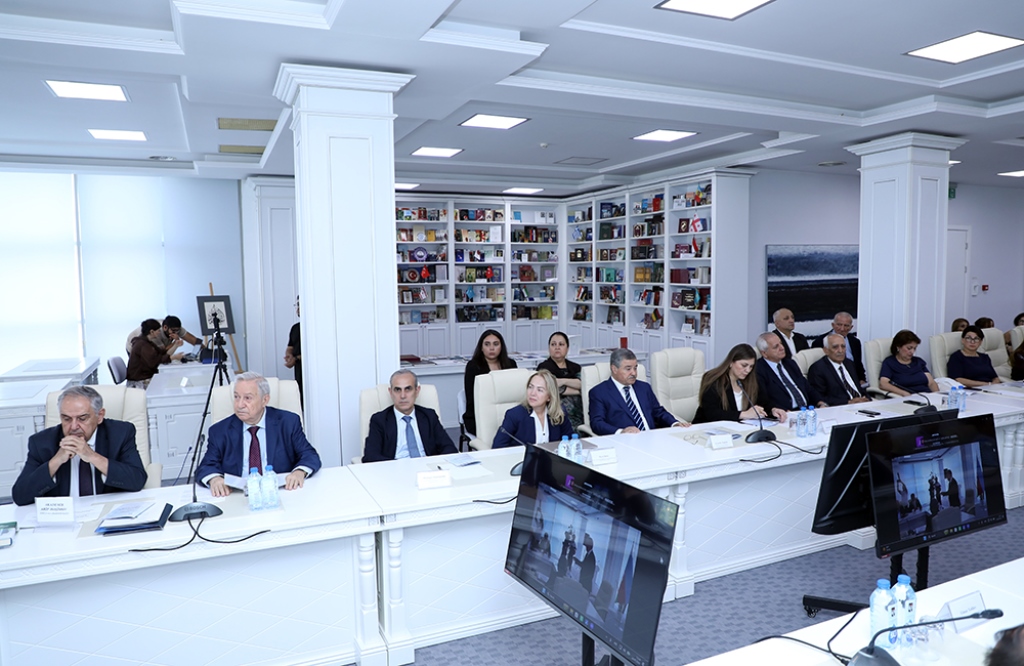
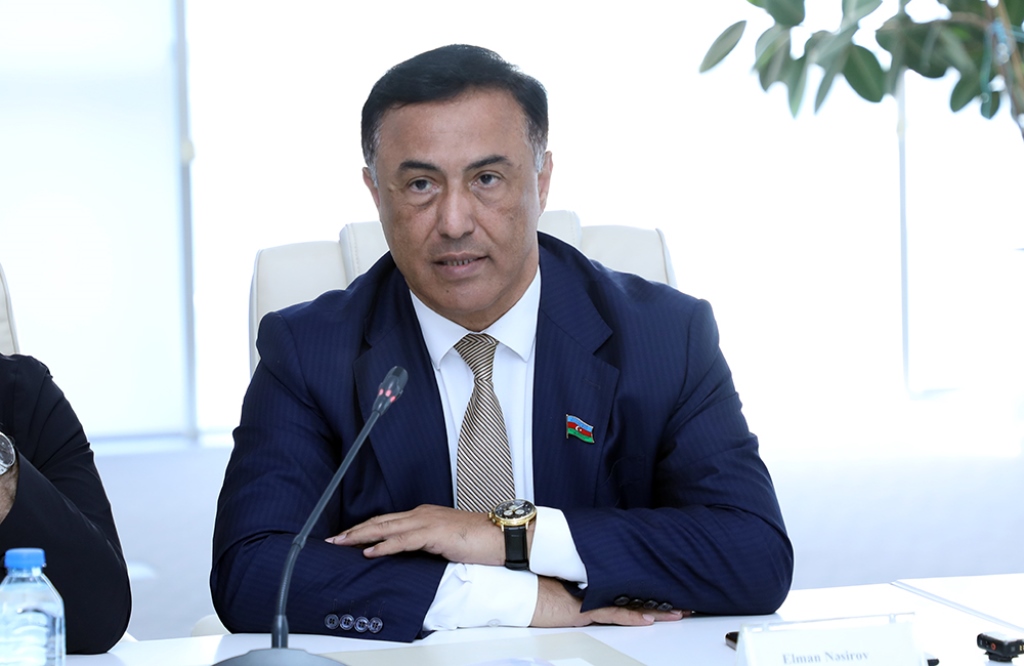
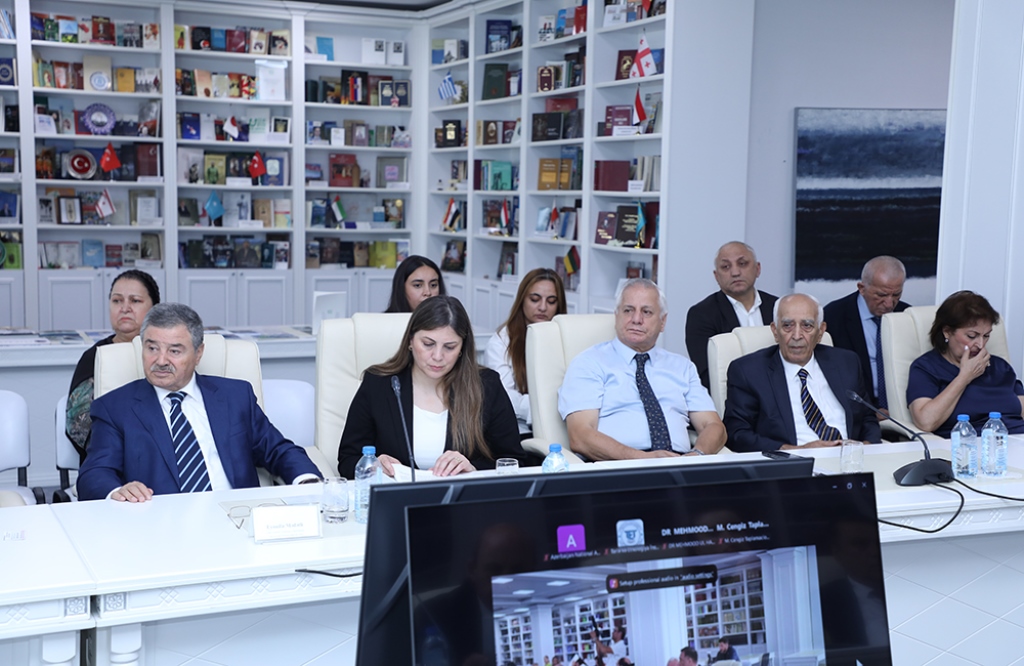
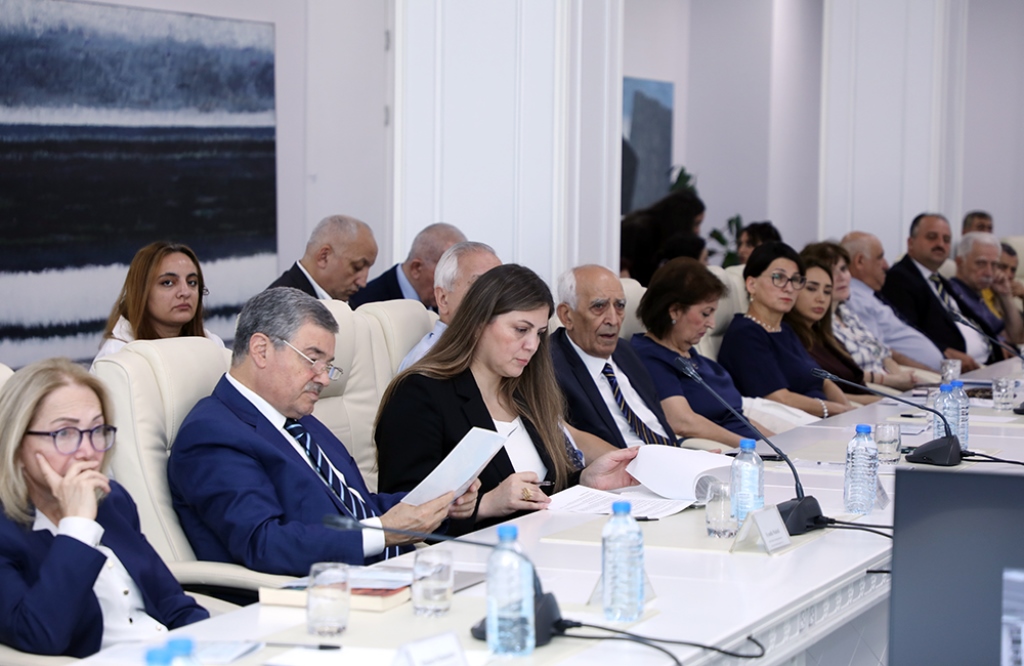
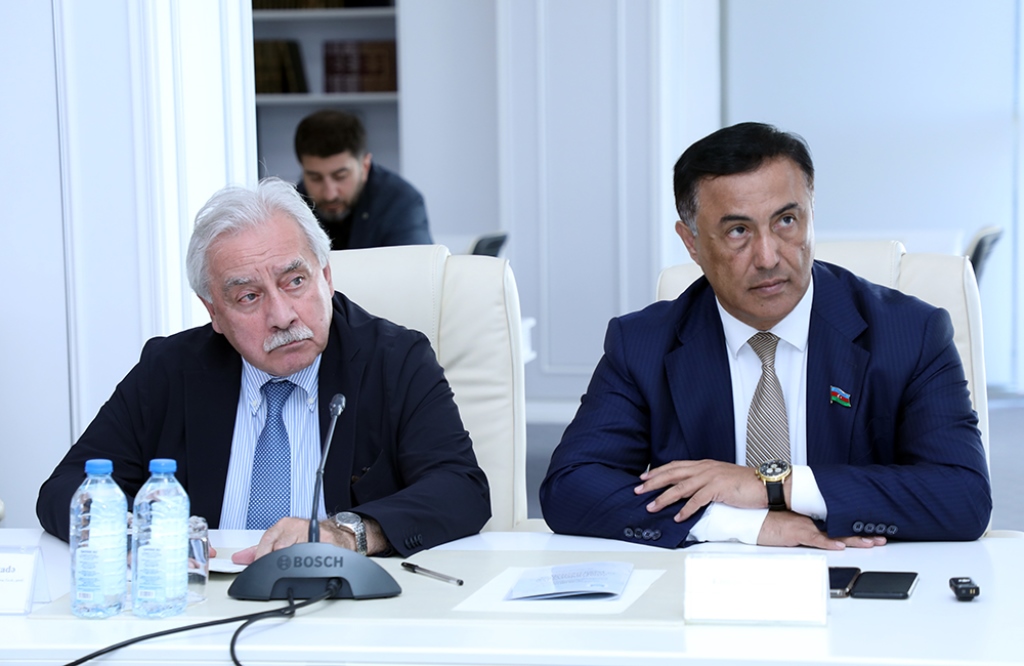
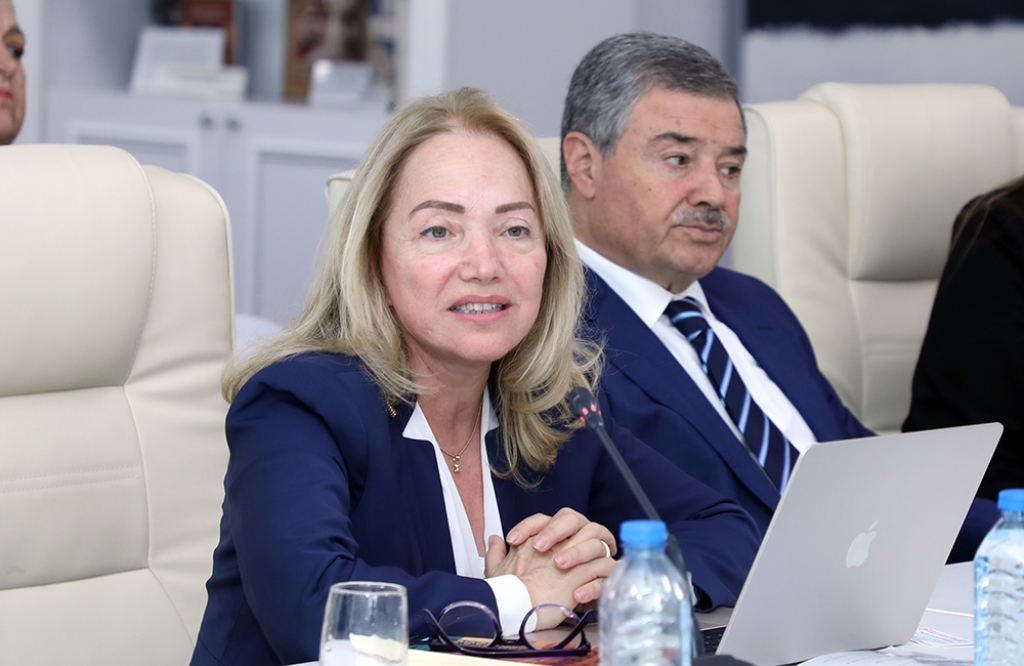
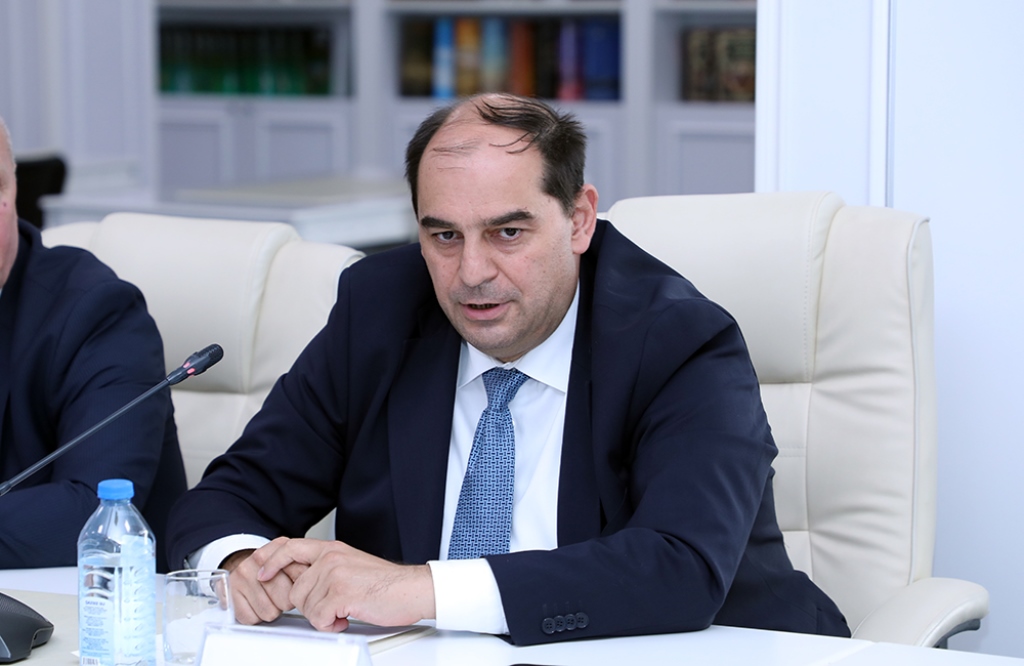
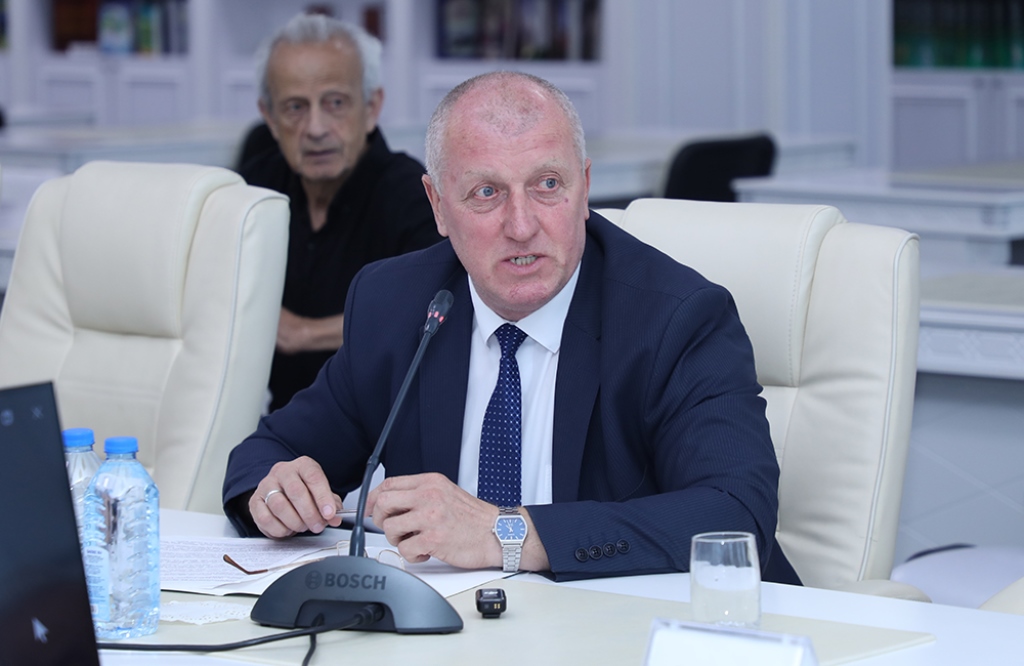
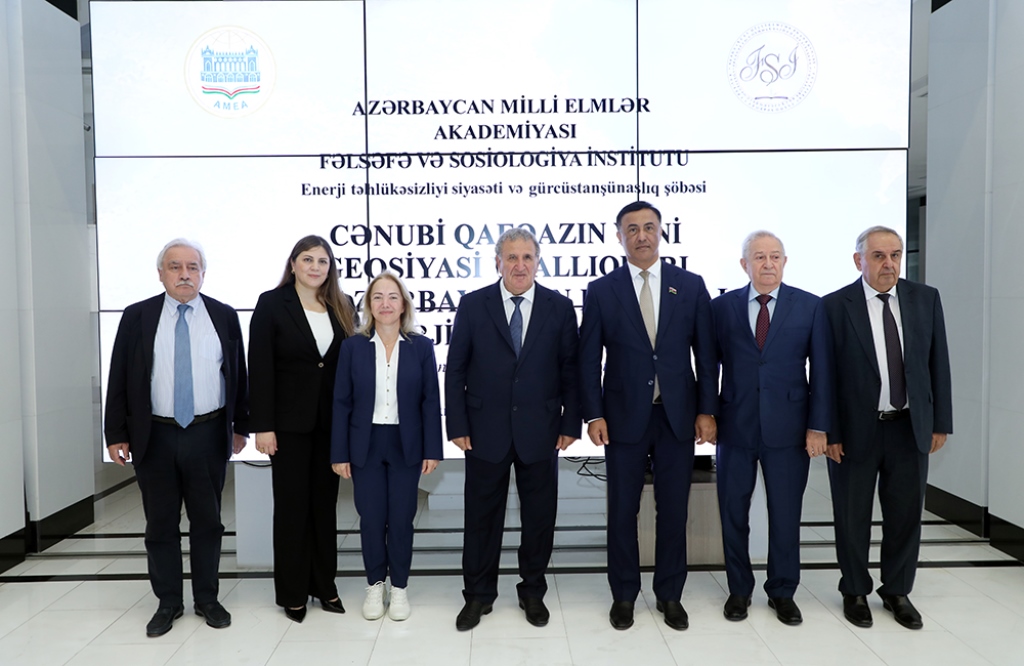
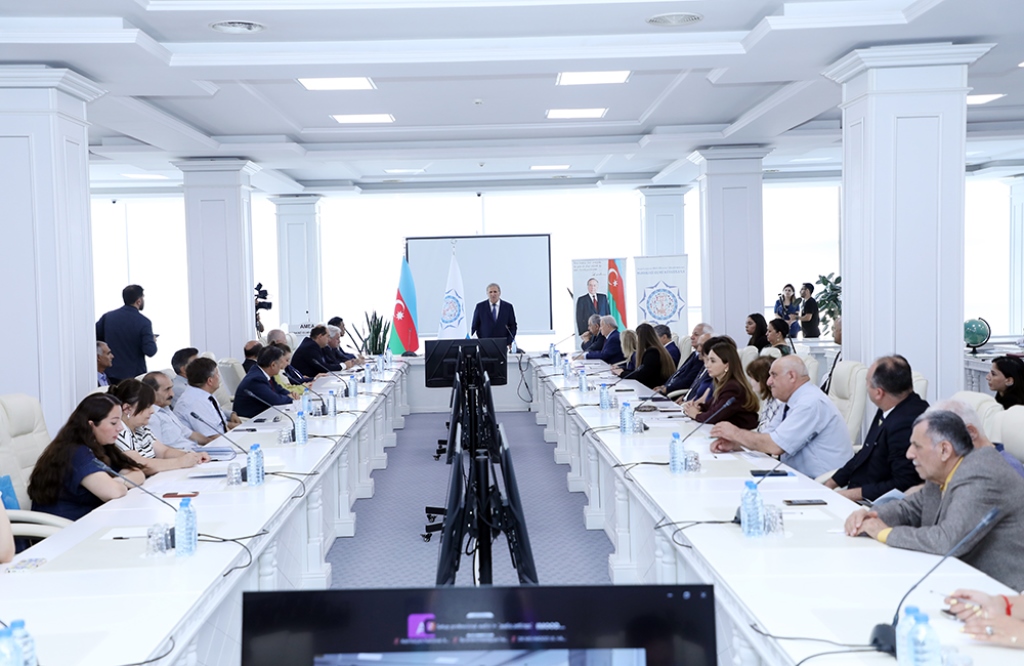
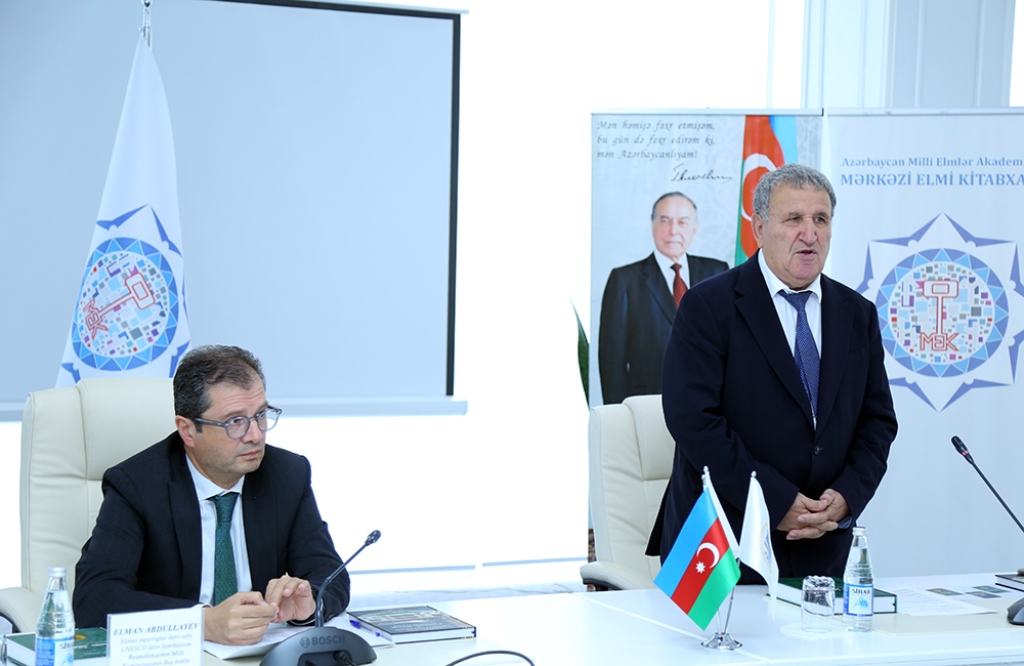
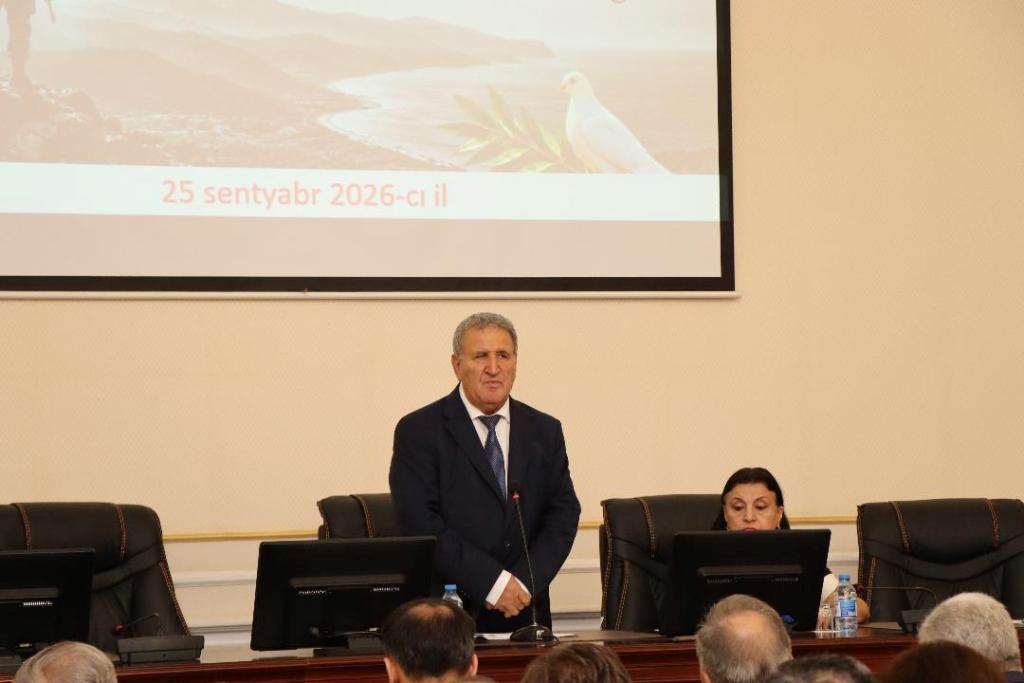
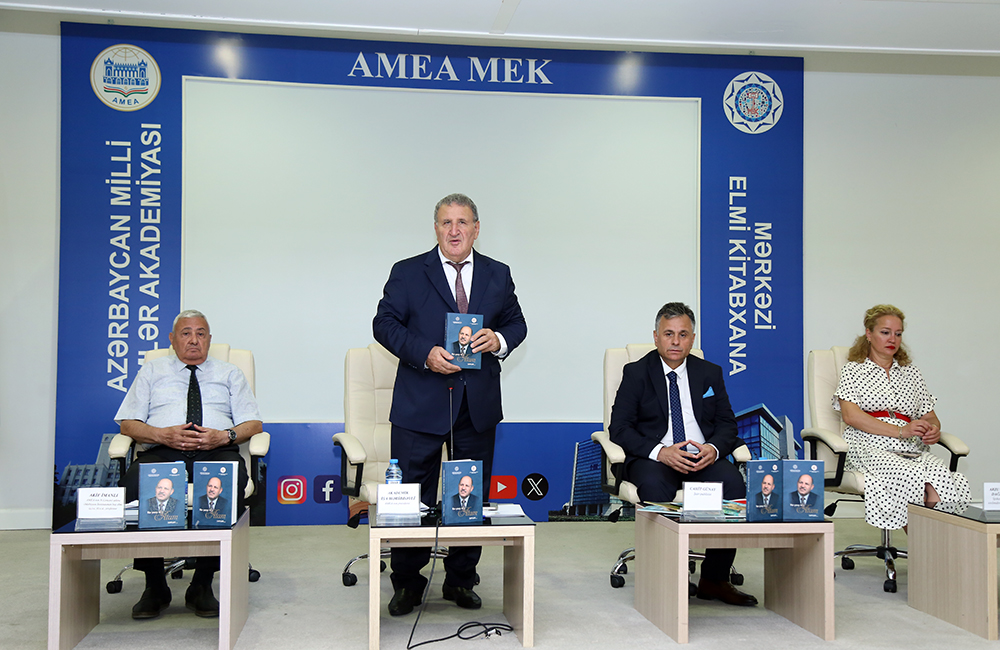
An international scientific conference entitled “The New Geopolitical Realities of the South Caucasus and Azerbaijan’s Regional Energy Strategy,” dedicated to the anniversaries of the “Contract of the Century” and the “New Contract of the Century,” was held at the Central Scientific Library of the Azerbaijan National Academy of Sciences (ANAS). The conference was organized by the Institute of Philosophy and Sociology of ANAS and the Department of Energy Security Policy and Georgian Studies of the institute.
The opening ceremony began with the national anthem of the Republic of Azerbaijan, followed by a one-minute silence in memory of the martyrs who sacrificed their lives in the struggle for the territorial integrity of our country.
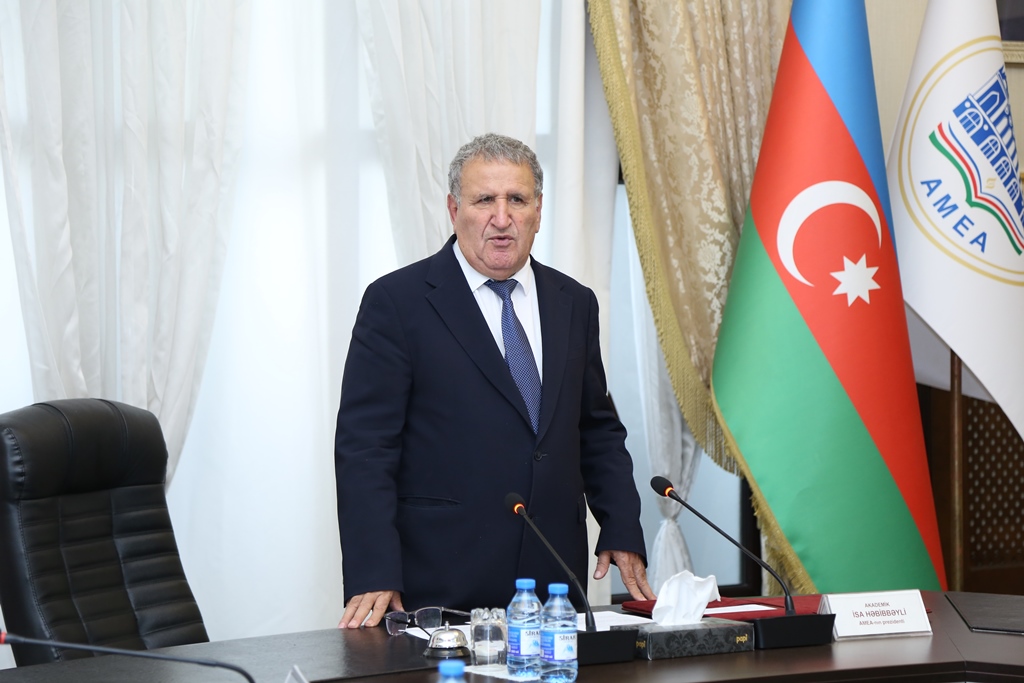
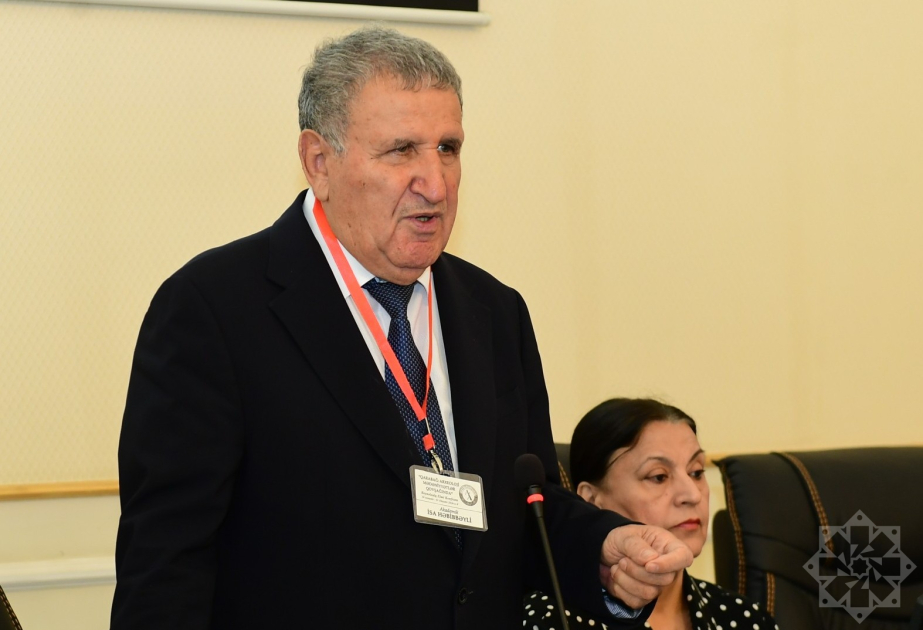
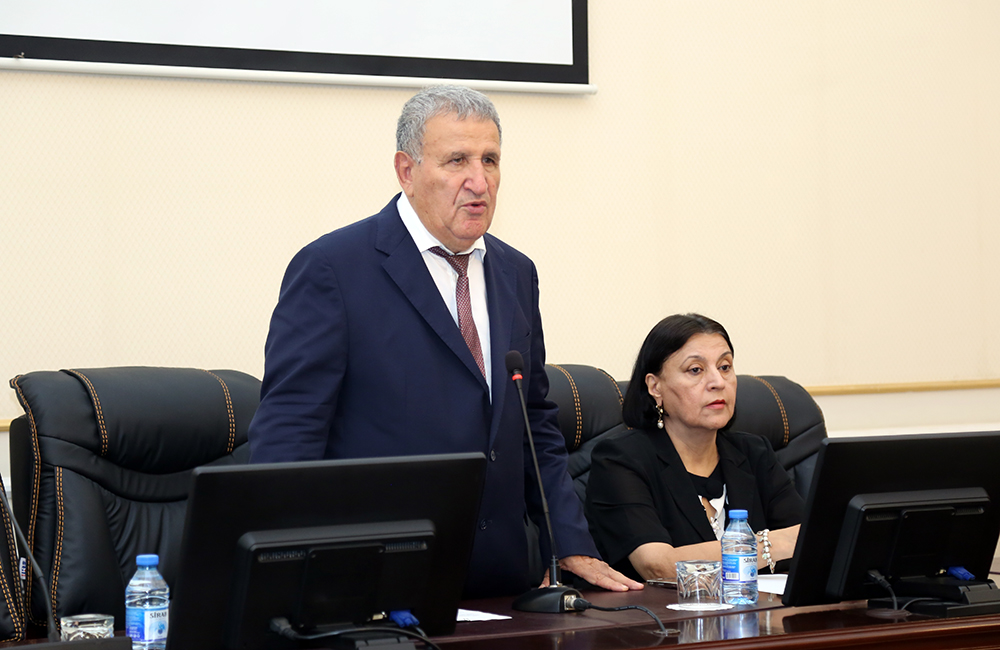
President of ANAS, Academician Isa Habibbeyli, noted that the energy policy founded by National Leader Heydar Aliyev is being successfully continued today by President Ilham Aliyev and spoke about the measures being implemented to ensure the country’s energy security.
Academician Isa Habibbeyli emphasized the importance of connecting Nakhchivan’s electricity network with Türkiye during the most difficult periods for the Autonomous Republic. Noting that the Republic of Türkiye took all necessary steps promptly at that time to supply electricity to Nakhchivan, the scholar emphasized that, as a result of important measures implemented in the subsequent period, issues related to Nakhchivan’s energy supply were resolved and the Autonomous Republic was transformed into an electricity-exporting region within a short period of time.
The head of ANAS stated that strategic foundations for ensuring Azerbaijan’s energy security had been laid since 1994 and that this had produced important results in subsequent years. He noted that, alongside conventional energy, particular attention is now being paid to the development of renewable energy sources in Azerbaijan’s energy policy. Wind and solar energy projects are being implemented in various regions, including Absheron, while alternative energy sources are being developed within the framework of cooperation with various countries.
The President of ANAS emphasized that Azerbaijan has already moved toward the export-oriented development not only of its conventional energy resources but also of its renewable energy potential, and noted that the country’s energy, food, and economic security are important conditions for state independence.
Academician Isa Habibbeyli also touched upon the work being carried out to introduce a green economy and establish a green energy zone in Karabakh. He stated that reconstruction and development projects implemented in the liberated territories, the establishment of new settlements, and the creation of modern infrastructure are ensuring that these territories enter a new stage of development.
He also noted the regional significance of Azerbaijan’s energy cooperation with Türkiye and Georgia, stating that cooperation between Azerbaijan and Türkiye in the energy sector, as well as projects implemented with Georgia, make an important contribution to the development of energy connectivity in the region.
Speaking about the significance of the conference, Academician Isa Habibbeyli highlighted the importance of incorporating energy philosophy and the “philosophy of green energy,” alongside energy policy, into scientific discussions.
The scholar noted that research on energy policy, energy security, and “green energy” is being conducted at various scientific institutions of ANAS, stating that these studies contribute to strengthening the scientific foundations of Azerbaijan’s energy policy.
The President of ANAS also noted that an exhibition showcasing the research of Academy scholars on energy policy had been organized within the framework of the conference. He emphasized the importance of new scientific publications in this field.
A video presentation reflecting Azerbaijan’s regional energy policy and the measures taken to develop energy projects was then shown.
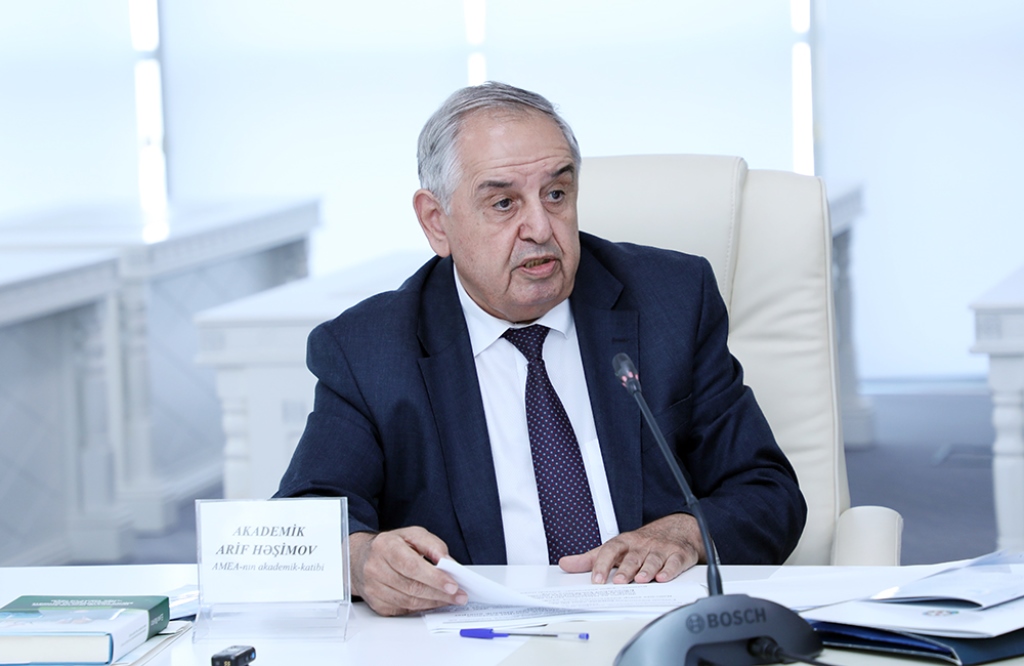
The event subsequently continued with a plenary session. Academician Arif Hashimov, Academician-Secretary of ANAS and Director of the Azerbaijan Scientific Research, Design and Survey Energy Institute of Azerenerji OJSC, delivered a presentation entitled “The Philosophy of Interstate Electricity Exchange in the Era of High-Power and High-Capacity Electricity Storage Systems.”
Academician Arif Hashimov stated that energy is not only a means of economic development for Azerbaijan but also a strategic resource that strengthens the country’s geopolitical position. He noted that the significance of energy resources is determined not only by their volume but also by the opportunities they provide for protecting national interests, increasing geopolitical influence, and ensuring an independent position in international relations.
The speaker emphasized that a new stage in Azerbaijan’s regional energy policy is characterized by a transition from energy production to the efficient management of energy and from energy exports to the establishment of sustainable energy relations. He noted that high-power and high-capacity energy storage systems are among the important technological and strategic pillars of this transition.
Academician Arif Hashimov also drew attention to the role of Nakhchivan in Azerbaijan’s regional electricity policy. The scholar described Nakhchivan as an important link in Azerbaijan-Türkiye and broader regional energy relations and as a point of intersection of South Caucasus energy corridors. He added that, in the future, Nakhchivan could be considered as part of a larger regional energy space in terms of expanding electricity exchange with Central Asia.
At the event, Professor Elman Nasirov, a member of the Milli Majlis of the Republic of Azerbaijan, delivered a presentation entitled “Energy Security Policy of the Republic of Azerbaijan: Transition from Conventional Energy to ‘Green Energy.’”
Professor Elman Nasirov stated that the foundations of Azerbaijan’s energy policy were laid by National Leader Heydar Aliyev and that the “Contract of the Century,” signed in 1994, represented an important stage in this strategy. He noted that this strategic course is being successfully continued by President Ilham Aliyev and that, alongside ensuring Azerbaijan’s energy security, it is also strengthening the country’s role in the international energy system.
Professor Elman Nasirov emphasized that Azerbaijan’s geographical position and energy potential create important opportunities for expanding regional and international cooperation in both conventional and green energy.
The conference also featured presentations by Professor Ilham Mammadzadeh, Director of the Institute of Philosophy and Sociology of ANAS, entitled “The Geopolitical Landscape and Realities of the South Caucasus after the Victory”; Professor Meral Balcı, Head of the Department of International Relations at the Faculty of Political Sciences of Marmara University, entitled “Energy Transition in Azerbaijan: Policies of Becoming a Transit and Hub Country”; and Javid Abdullayev, Doctor of Philological Sciences and Director of the State Agency for Renewable Energy Sources, entitled “Theoretical and Practical Aspects of the Use of Renewable Energy Sources in Azerbaijan.”
Presentations were also delivered by Elmar Khalilov, Vice-Rector of Sumgayit State University, PhD in History, Associate Professor, on “Azerbaijan’s Role in the Energy Security of the South Caucasus in the Context of Historical and Political Processes”; Eynulla Madatli, Deputy Director for Scientific Affairs of the Institute of Philosophy and Sociology, Doctor of Historical Sciences, on “Challenges Created by the Israel-Iran and US-Iran Confrontations in the South Caucasus and Azerbaijan’s Position”; and Rena Mirzazada, Head of a Department at the same institute, Professor, on “A Political-Philosophical View of Azerbaijan’s Post-War Military Security and Geostrategic Course (From the Perspective of H. Kissinger’s Theoretical Approach).”
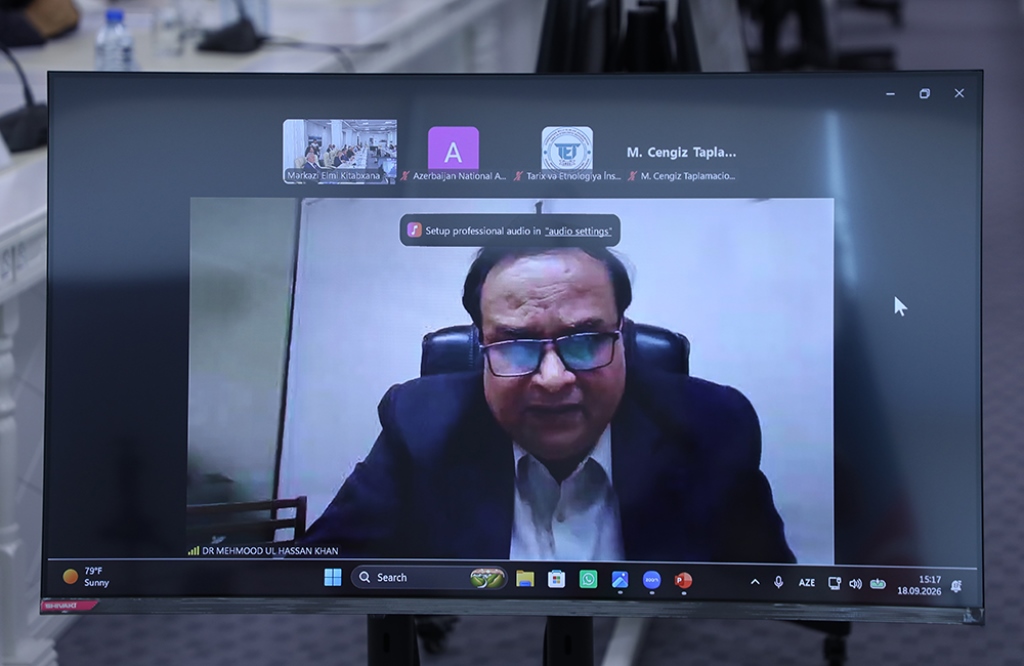
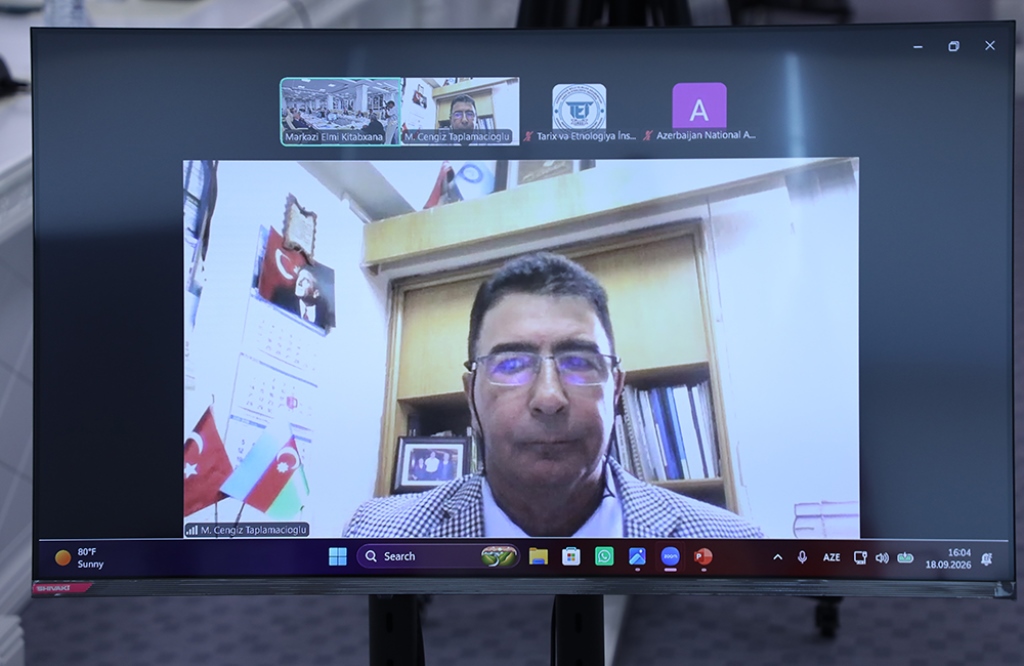
During the plenary session, Professor Revaz Kavtaradze, Corresponding Member of the National Academy of Sciences of Georgia; Professor Cengiz Taplamacıoğlu of Gazi University; and Mehmood Ul Hassan Khan, a regional expert on China, CPEC, BRI, world politics, and the South Caucasus, also delivered presentations online.
Translation by Gulhane Aghayeva, Department of Public Relations, Press, and Information, Presidium of ANAS.
© All rights reserved. When using these materials, reference to www.science.gov.az is required.
Similar News
Links