Azerbaijan National Academy of Sciences
The first website of Azerbaijan (1995)
 Elm TV
 Photo
Photo
 Video
Video
- A-
- A
- A+
“Founders and Lessons of the First Turkological Congress: History and Modernity” – International Scientific Conference at ANAS


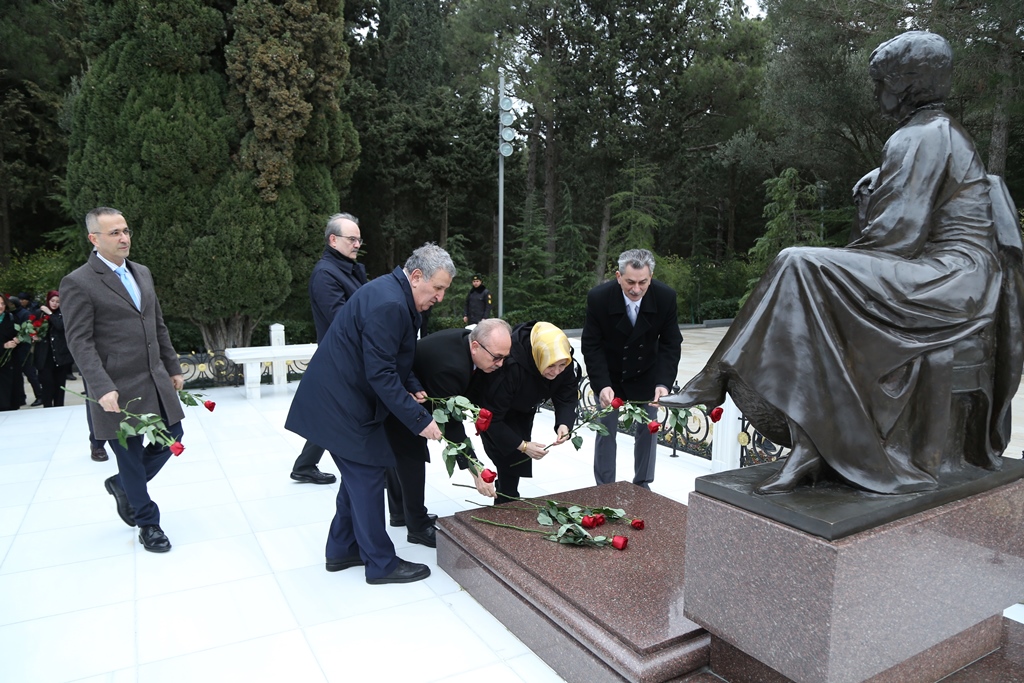
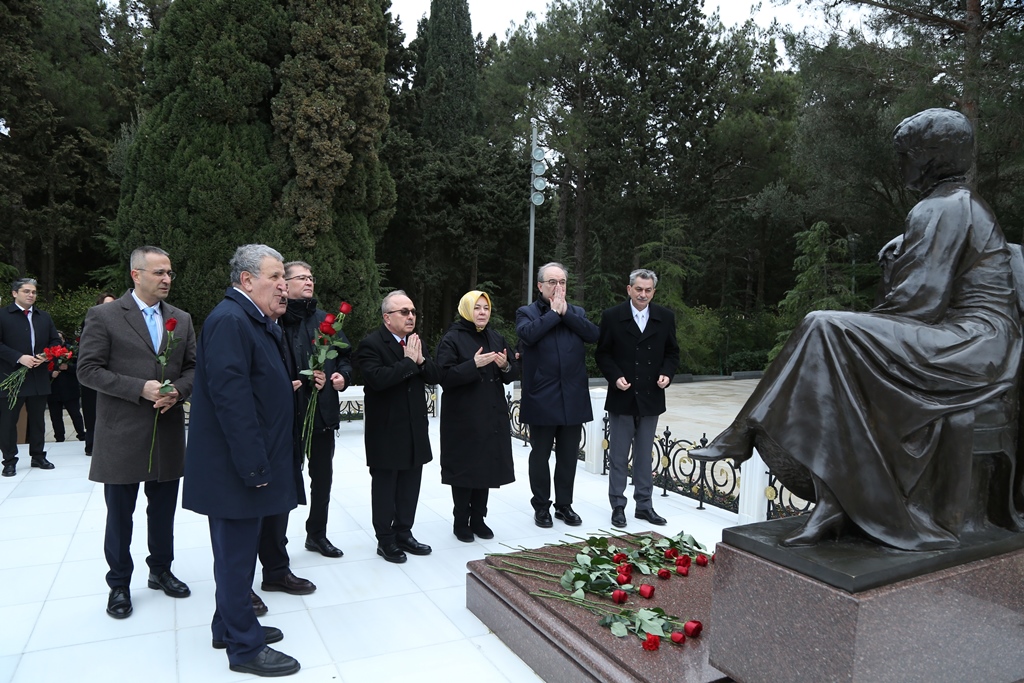
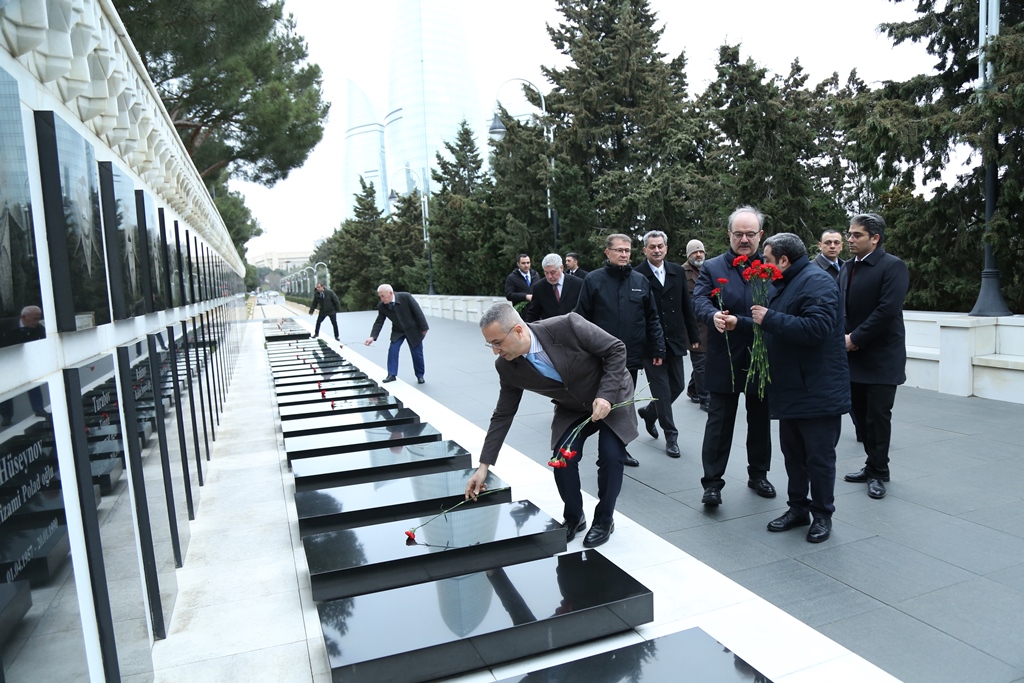

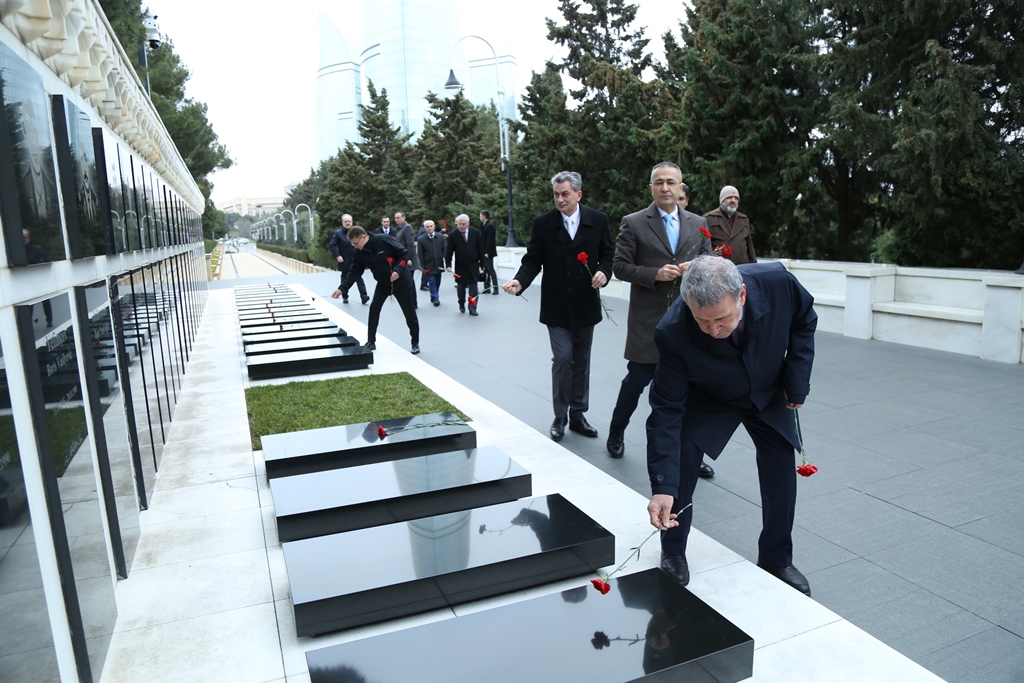
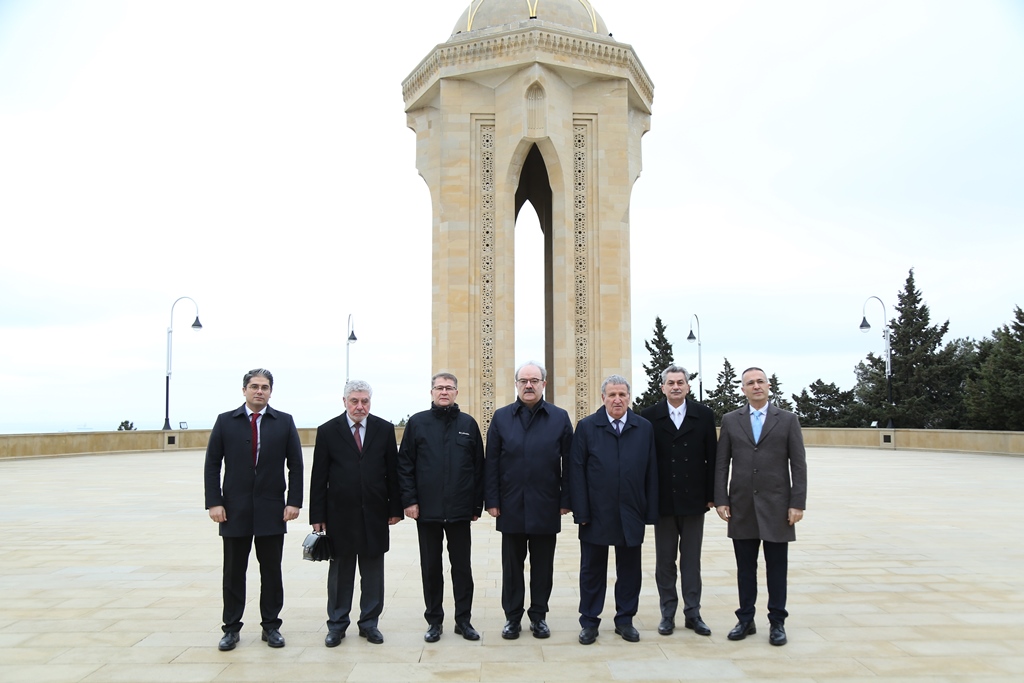

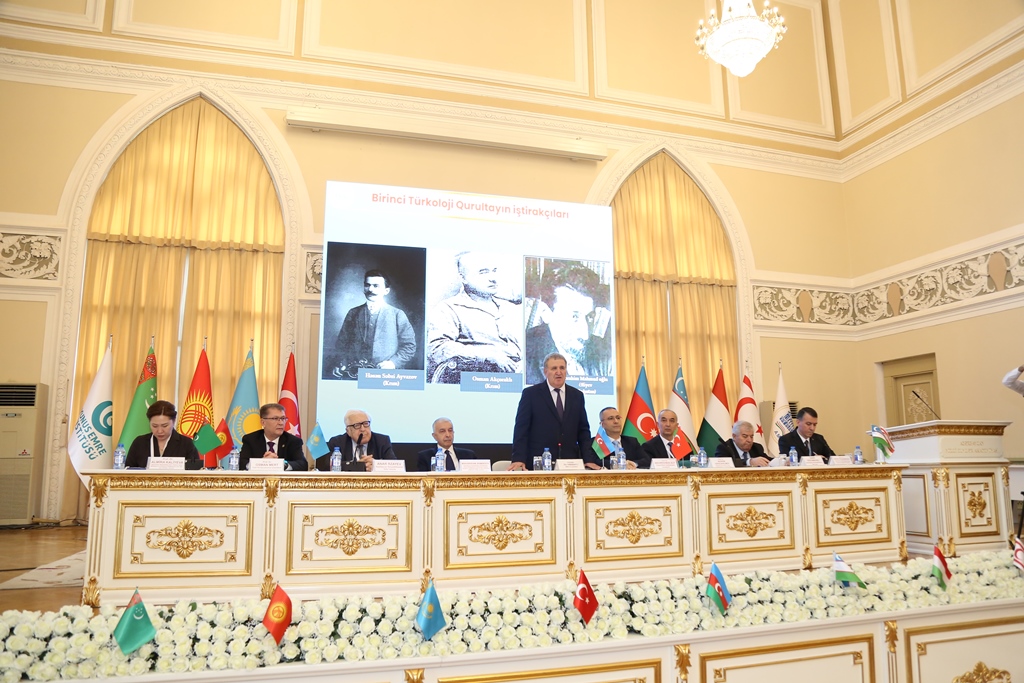
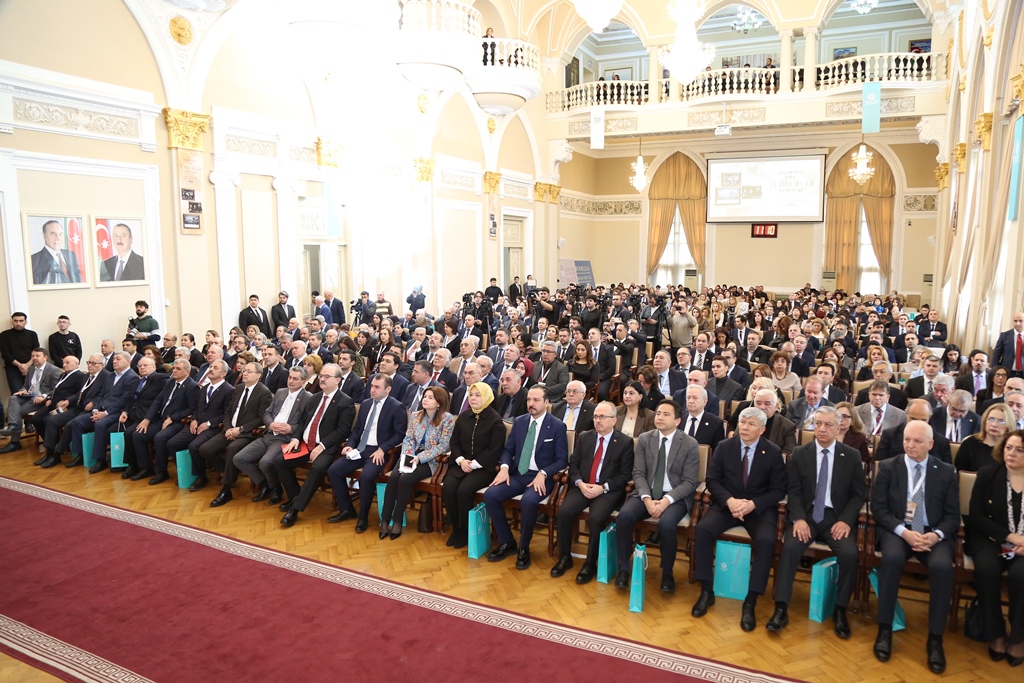
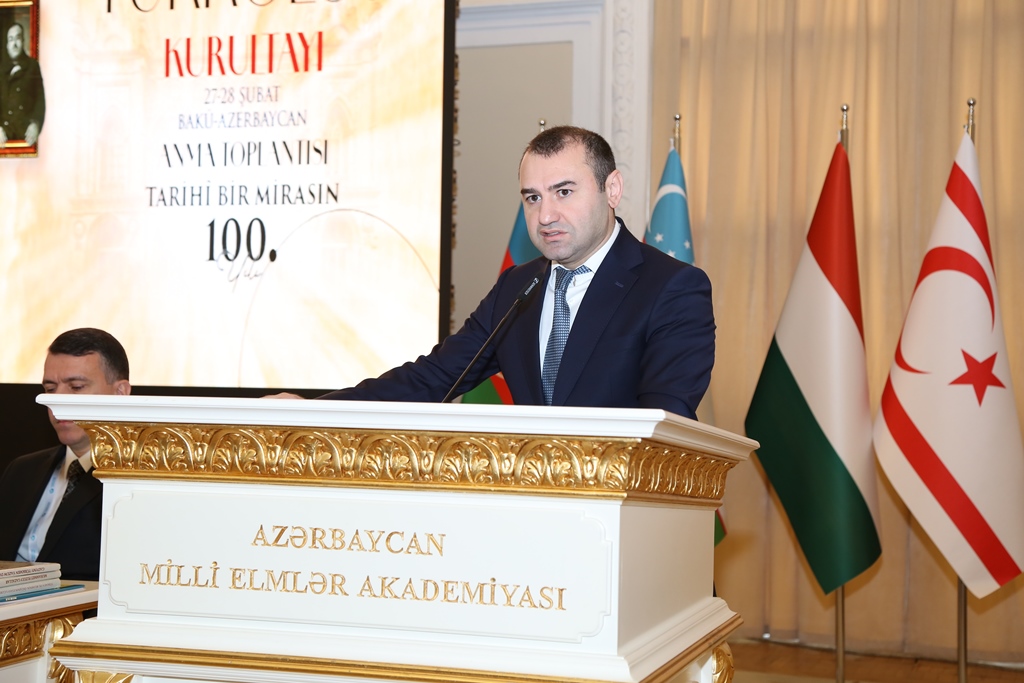
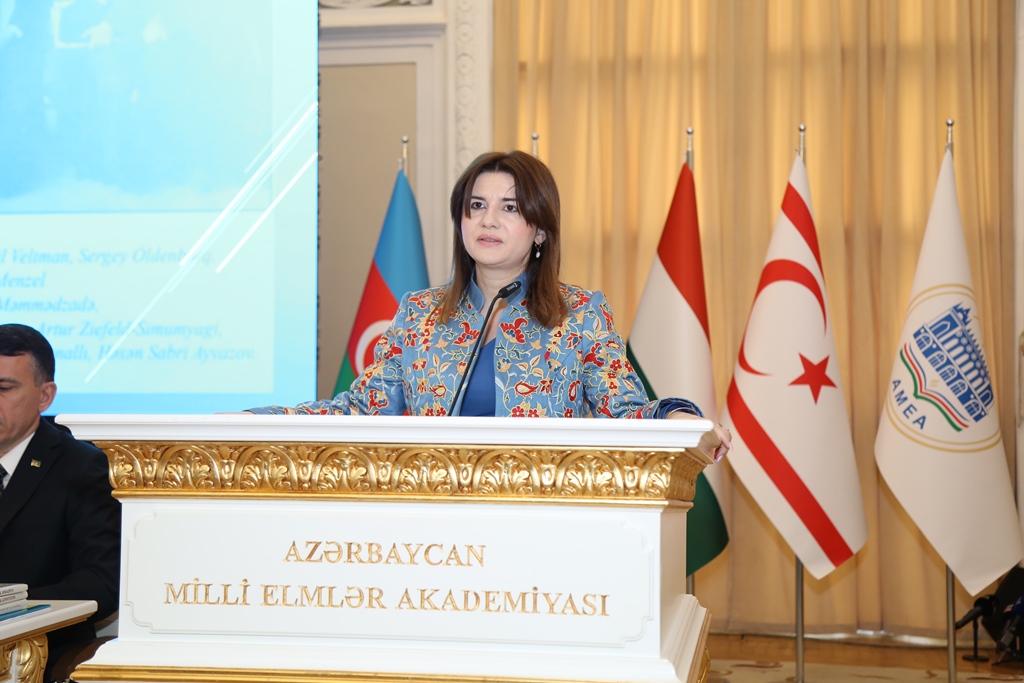

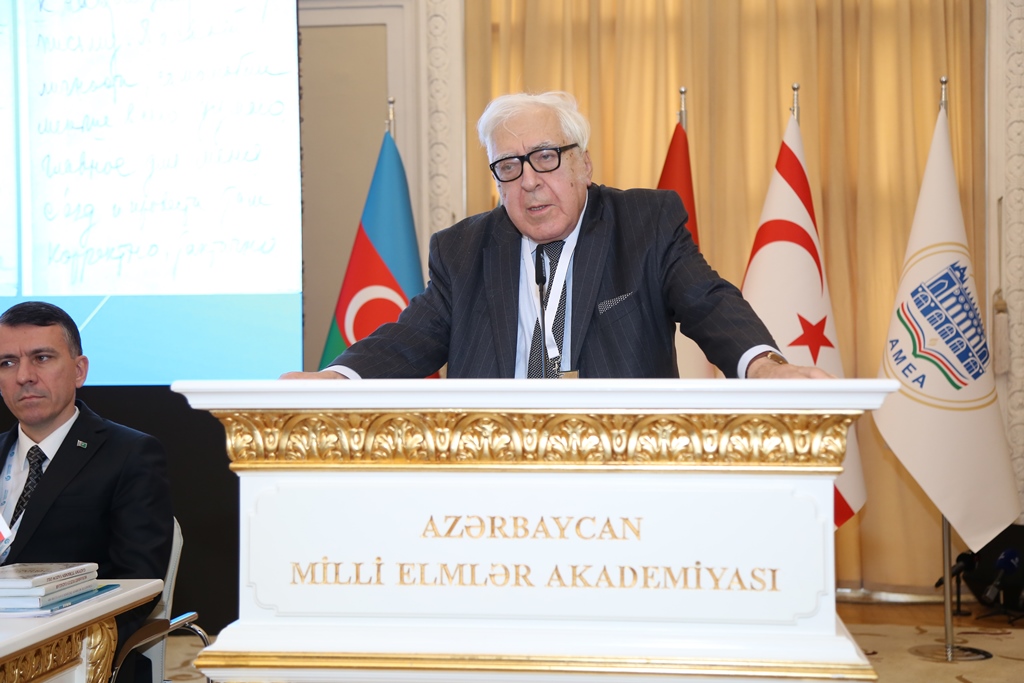
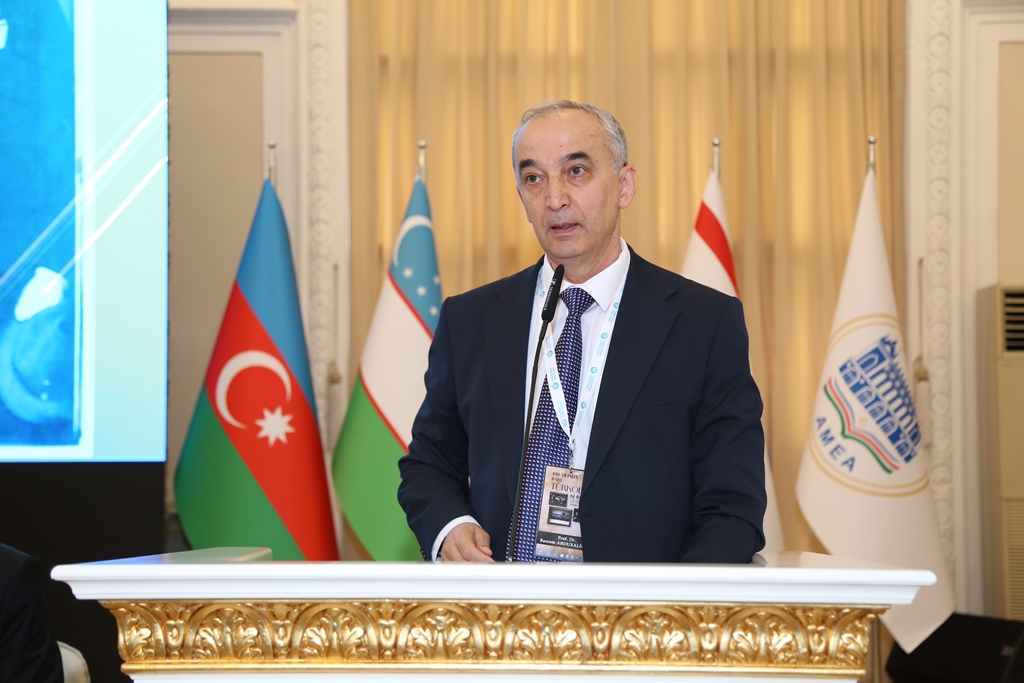
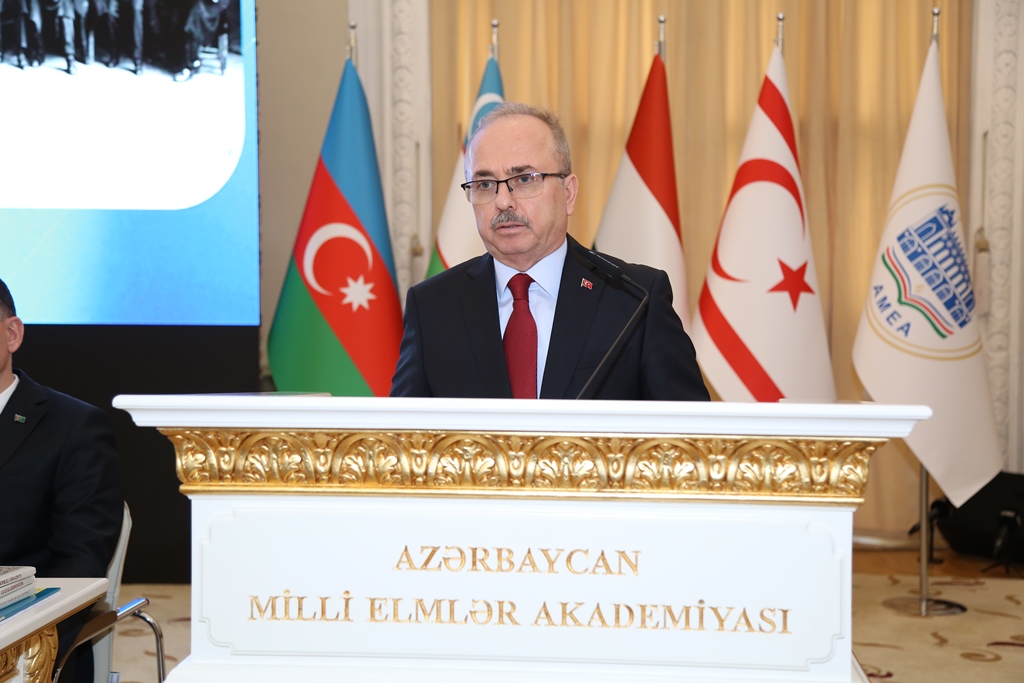
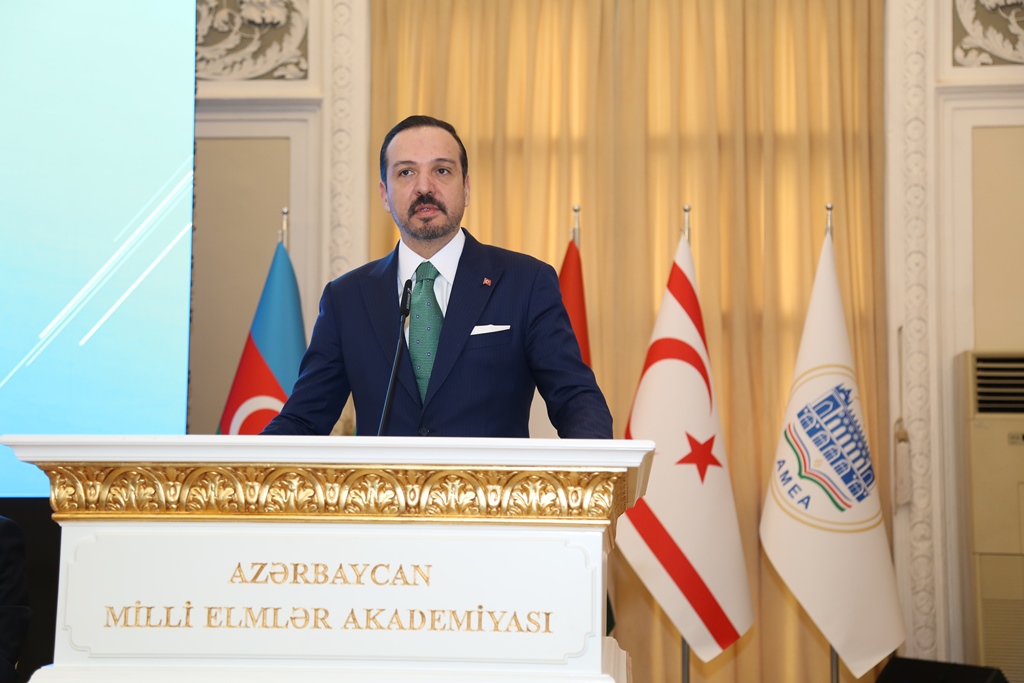
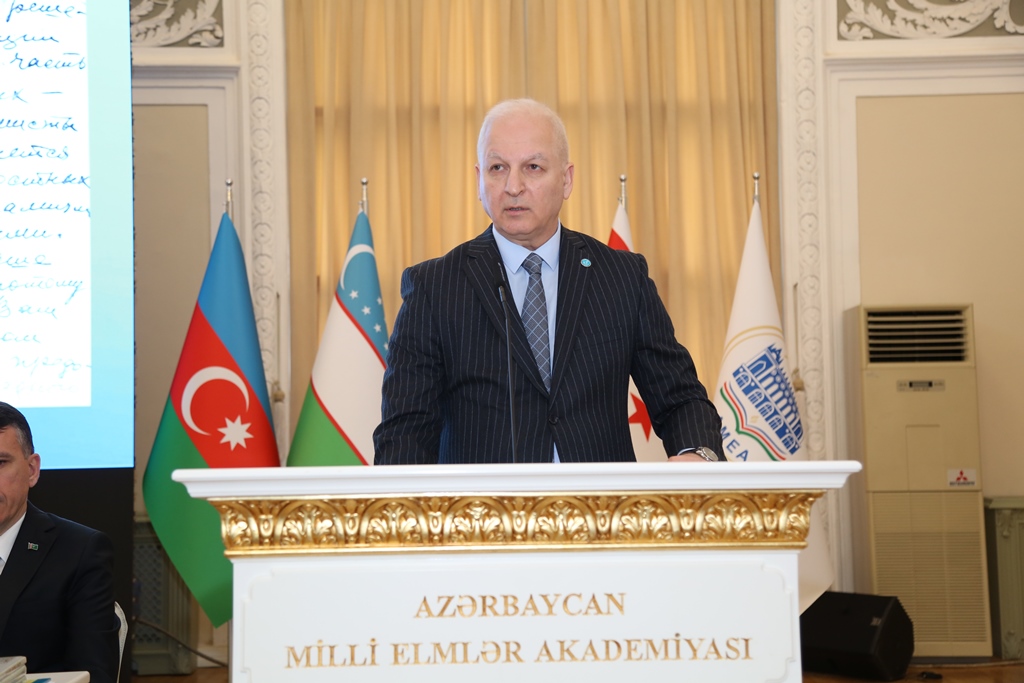
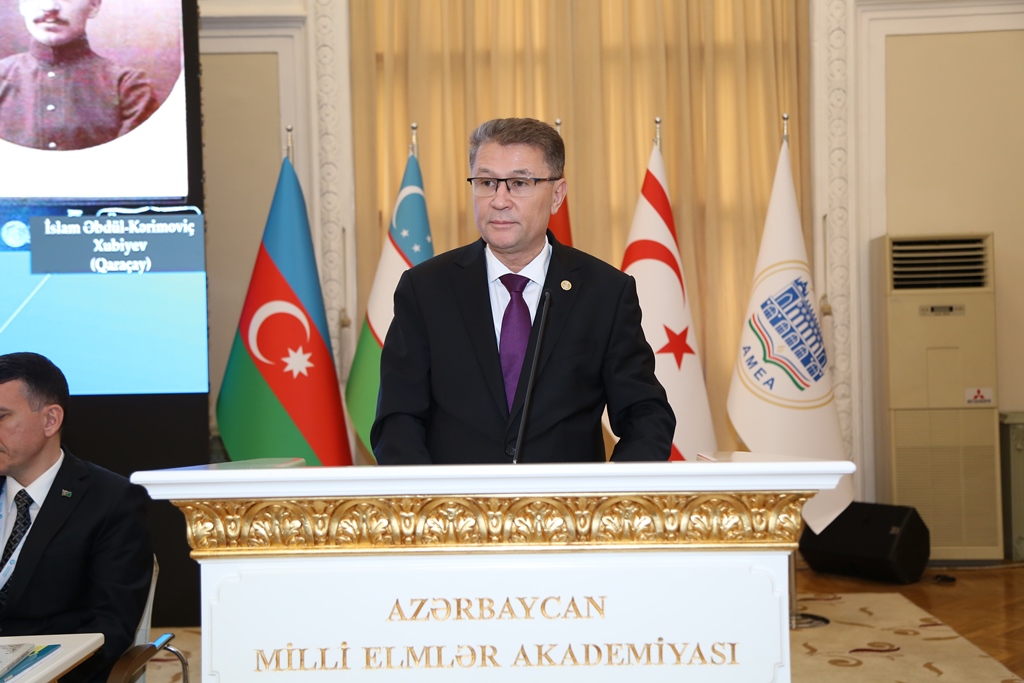
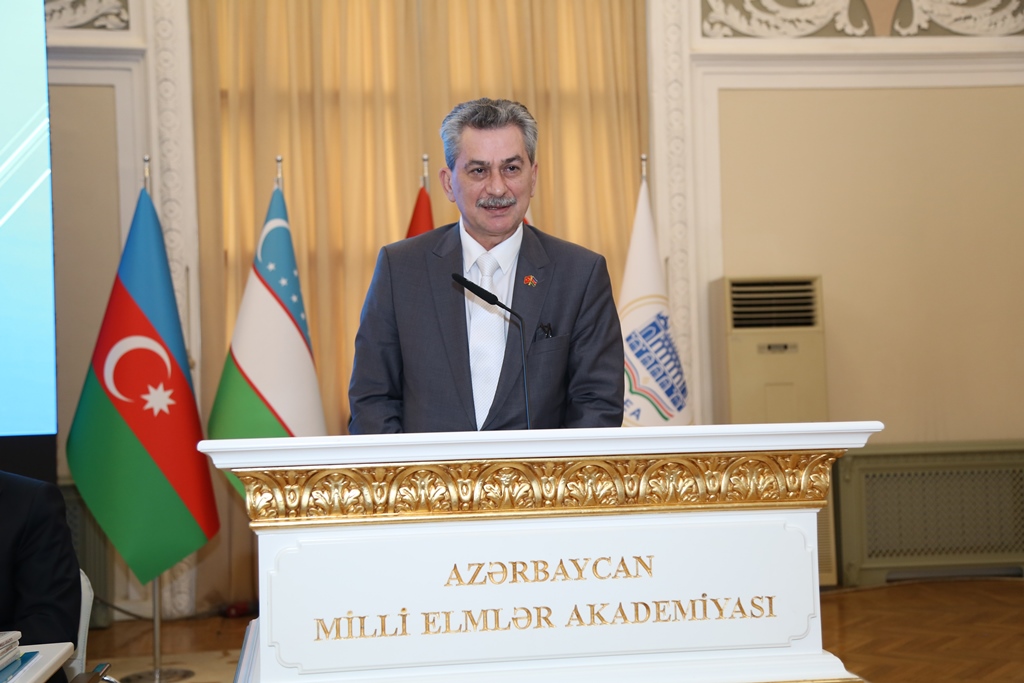
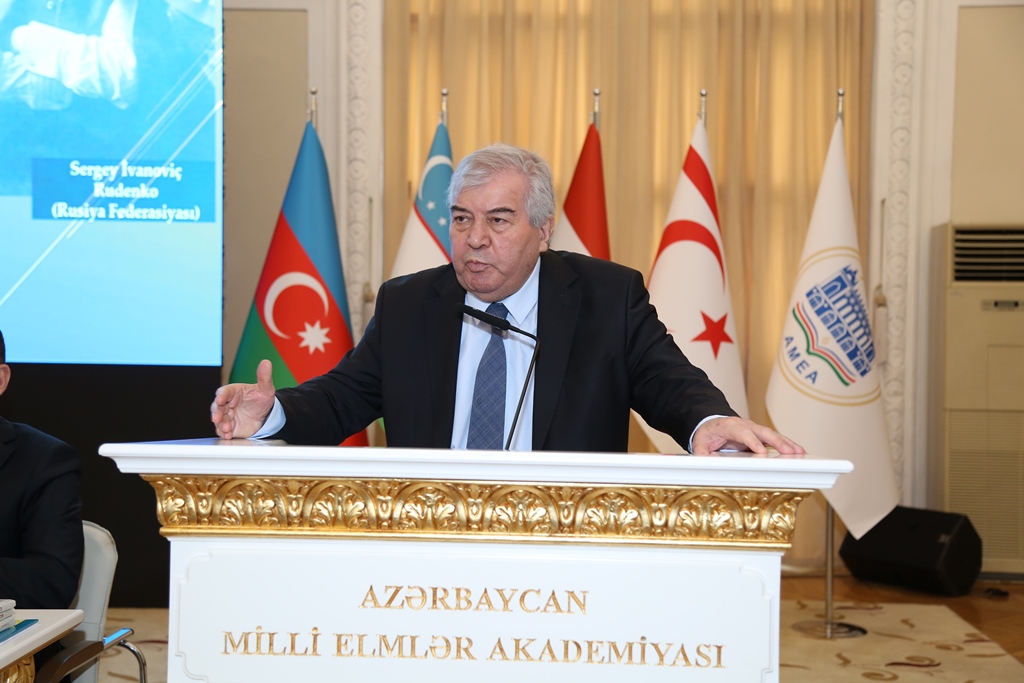
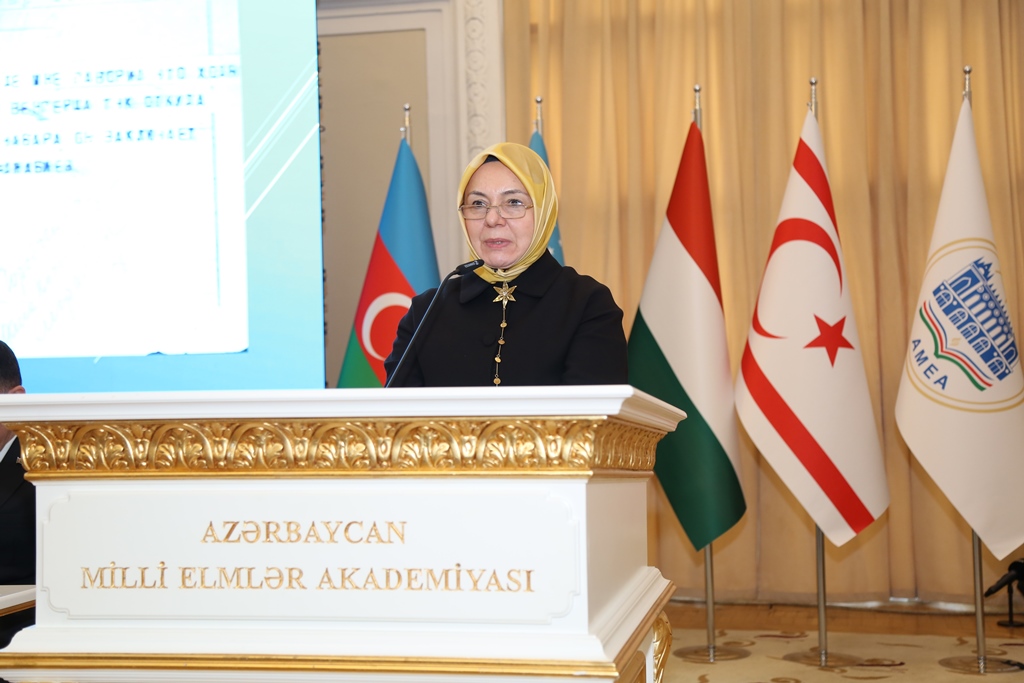
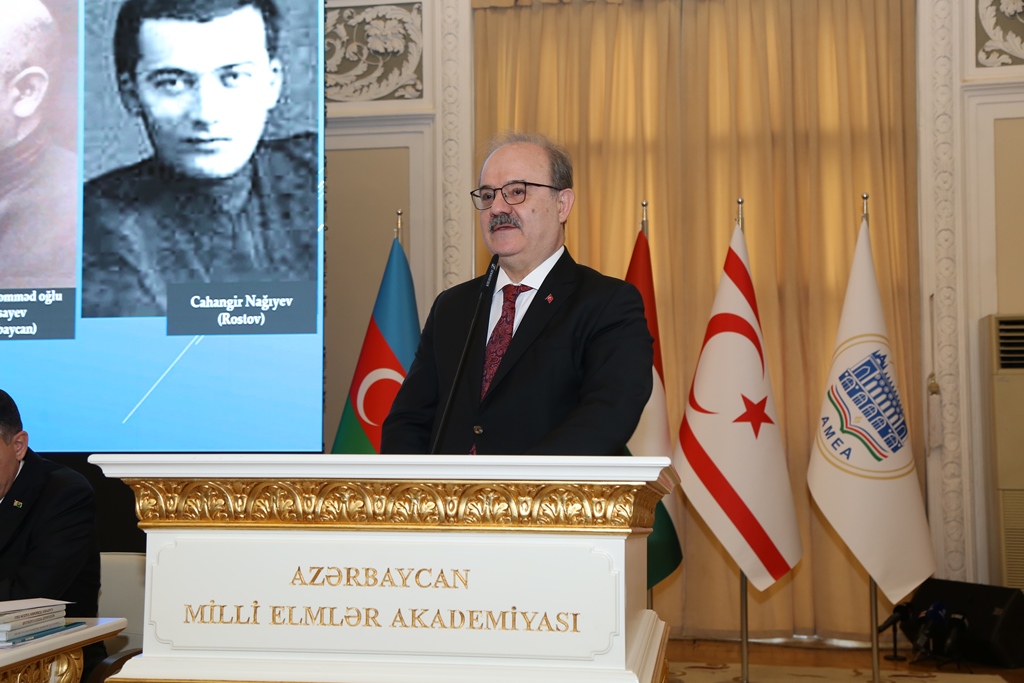
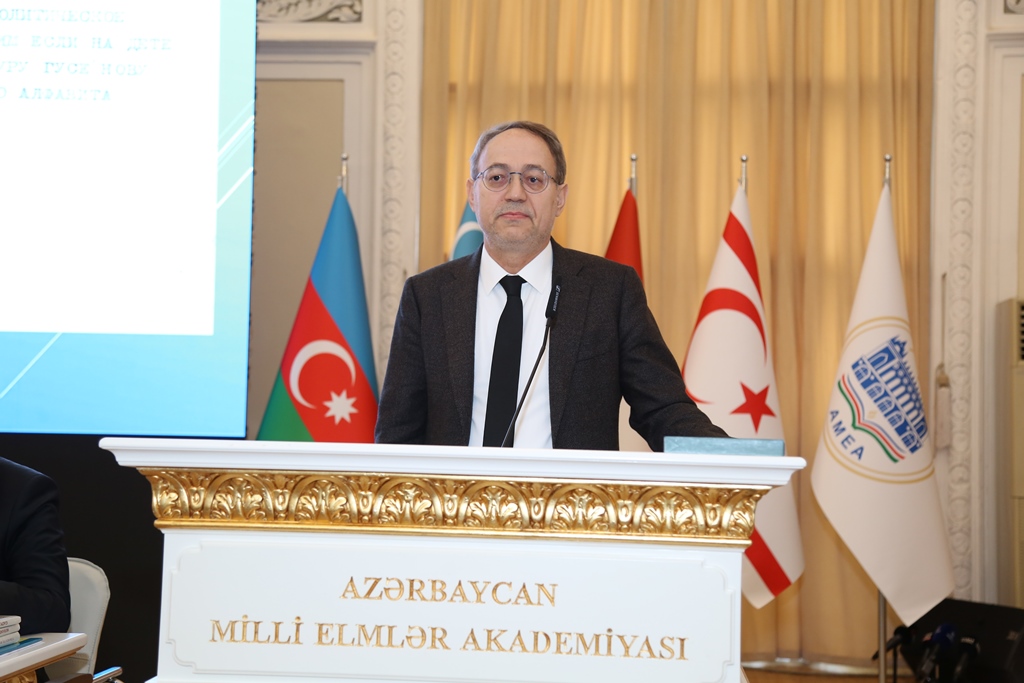
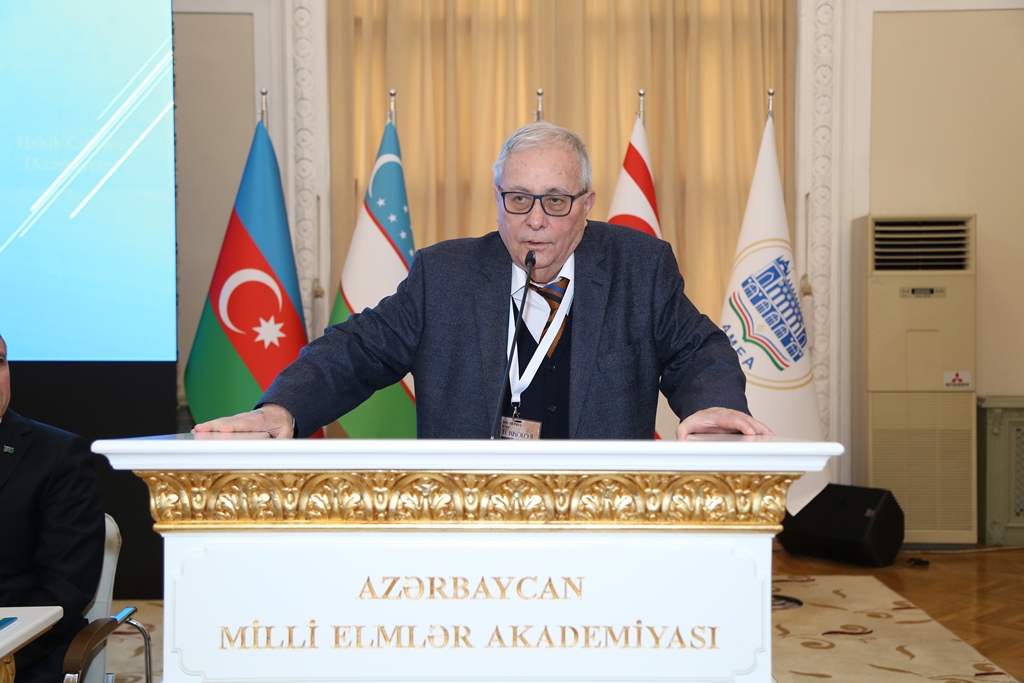
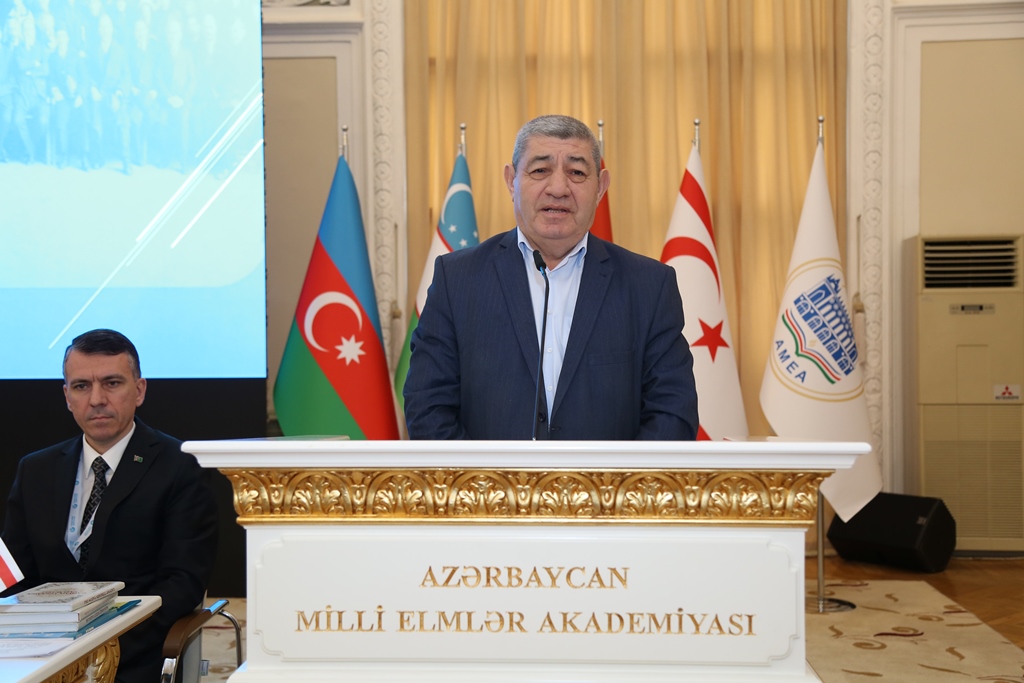
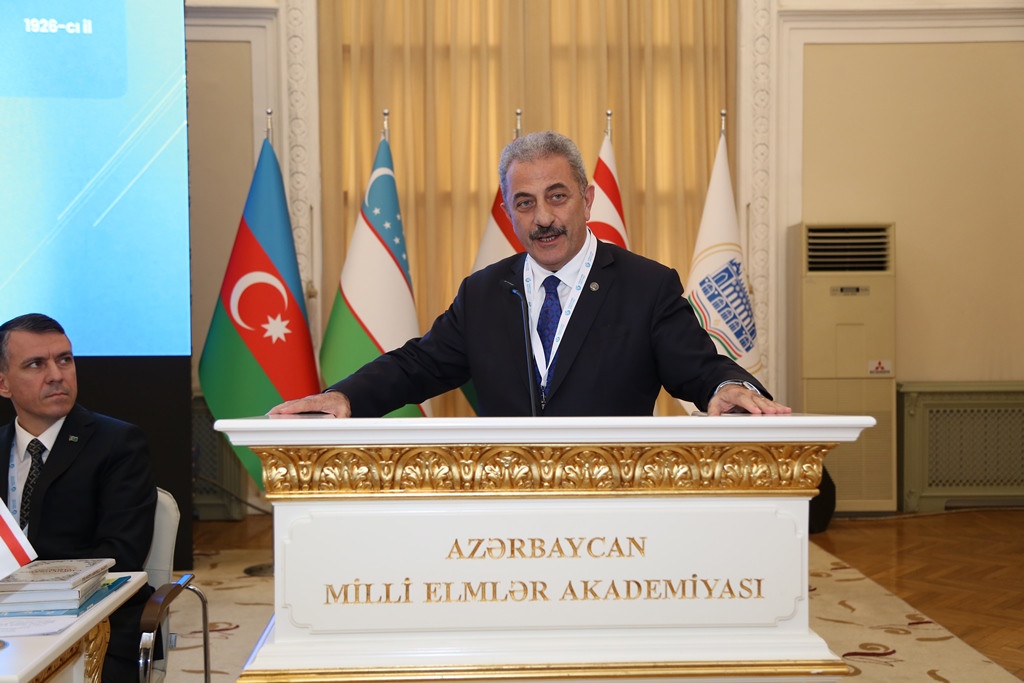
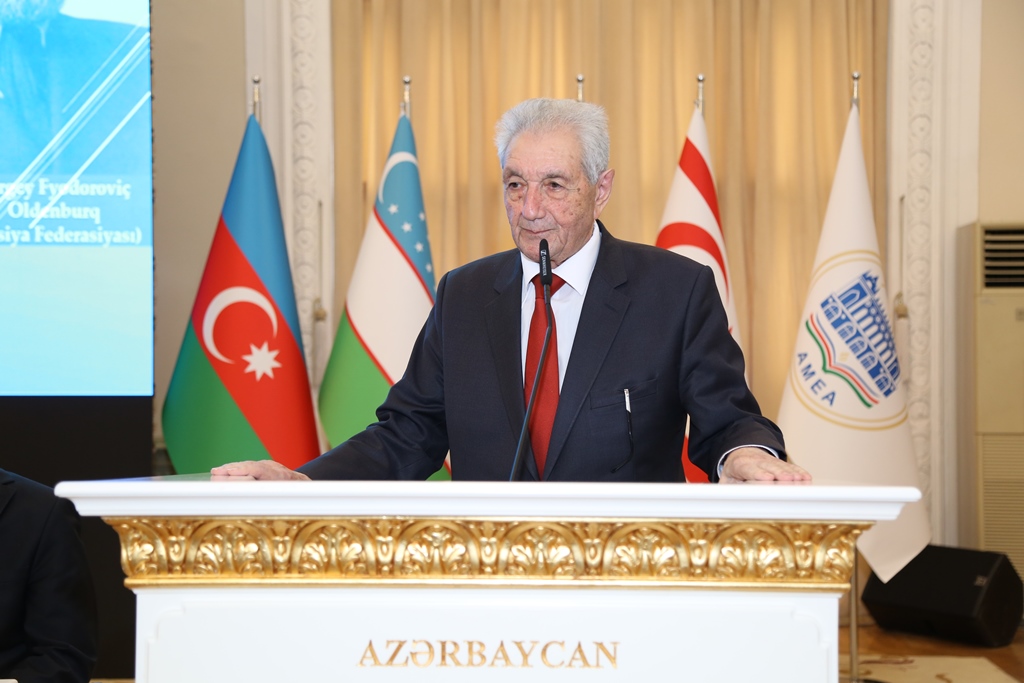
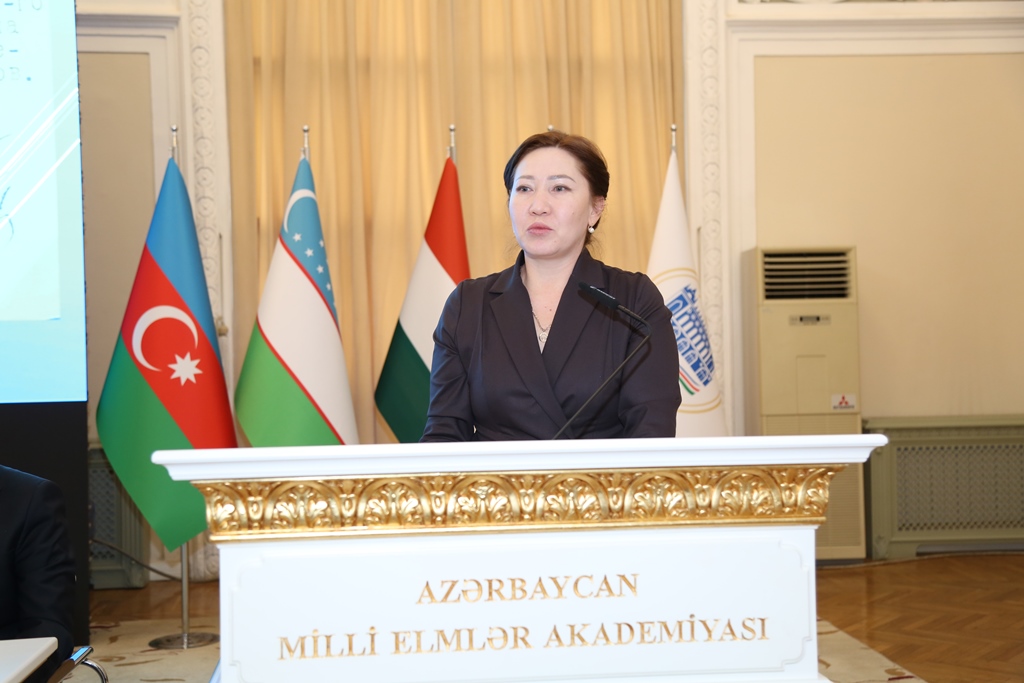
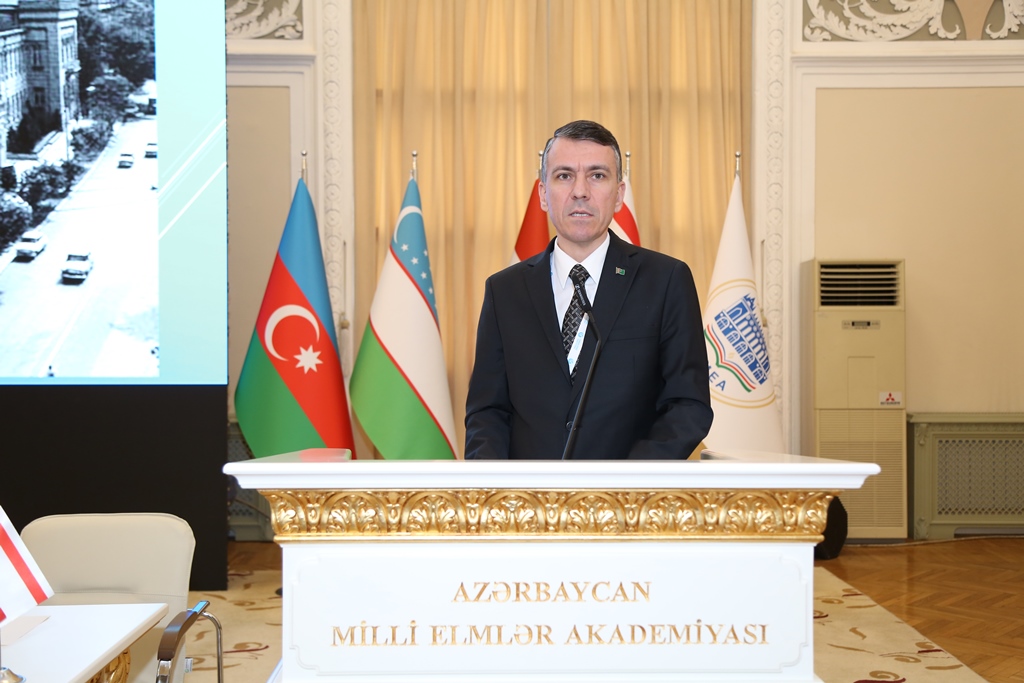
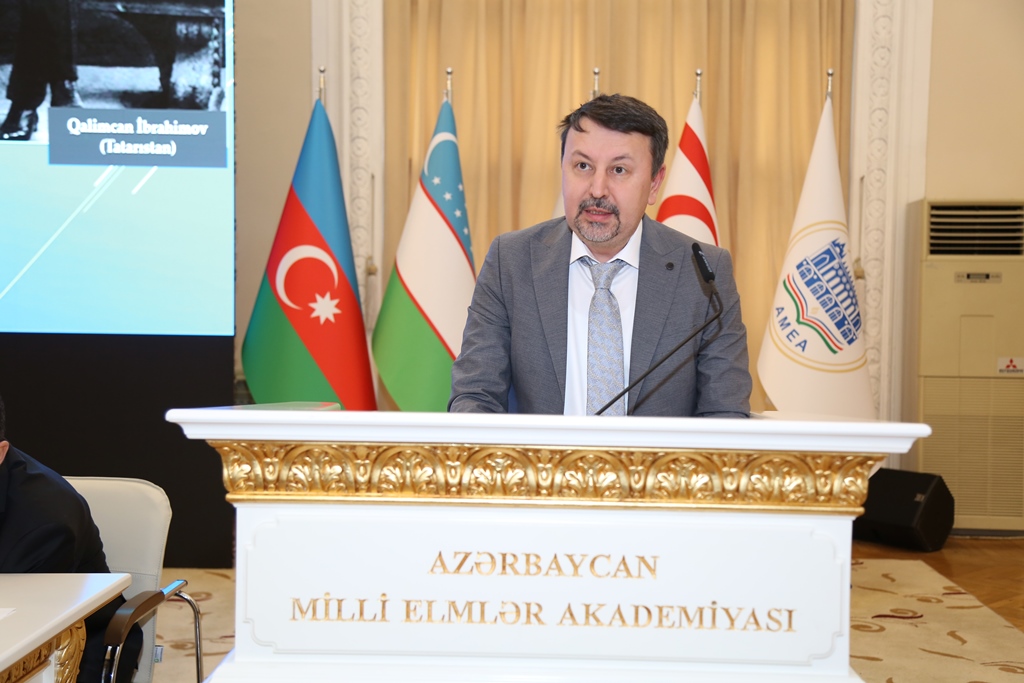
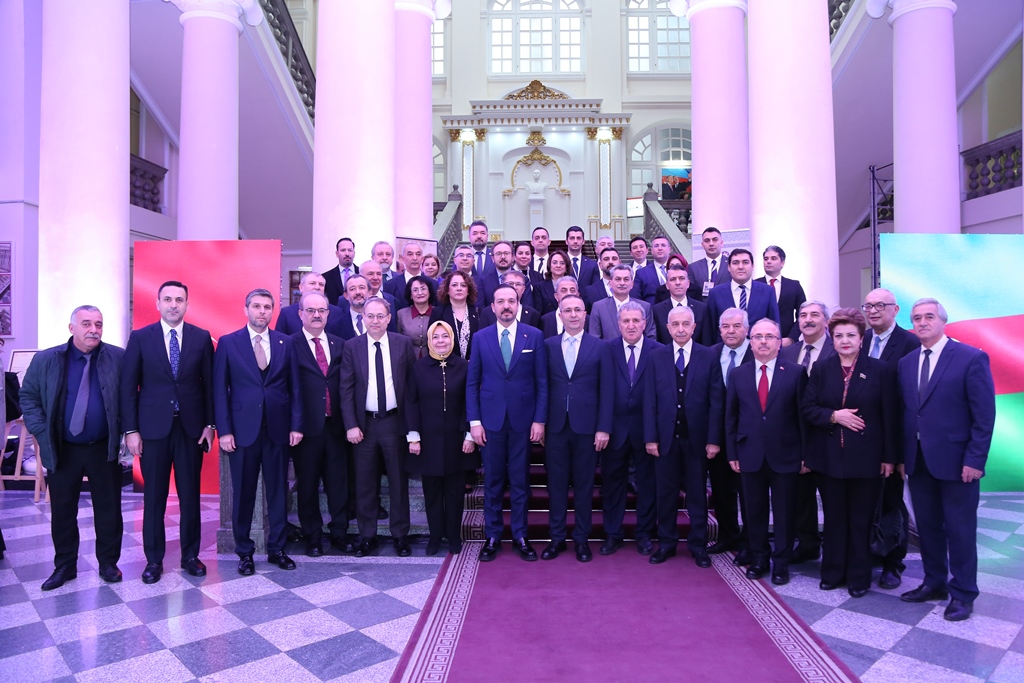
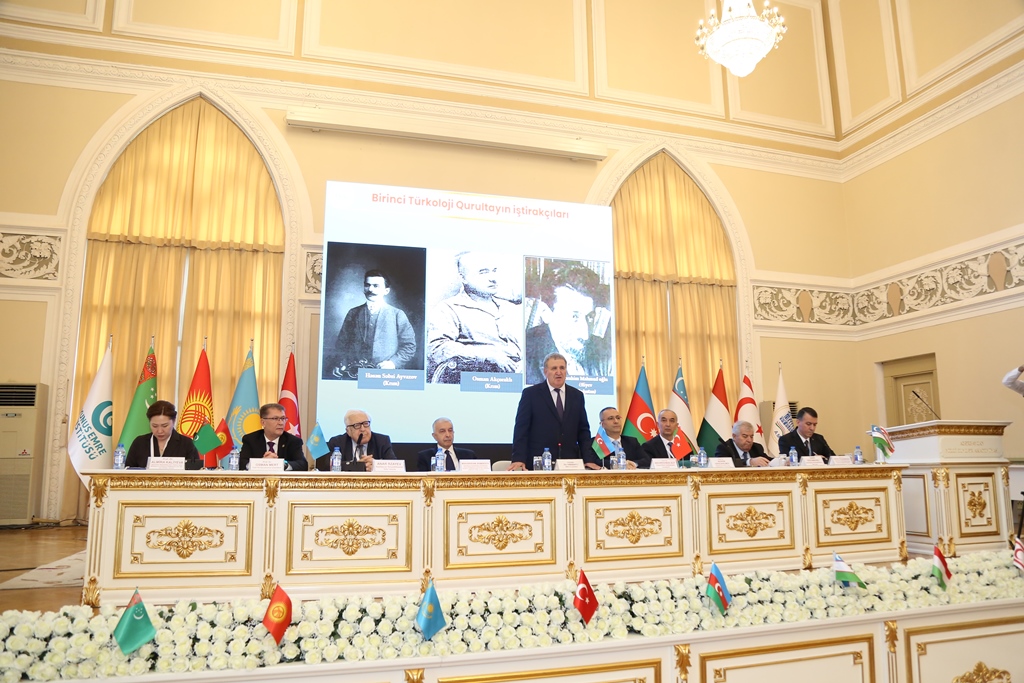
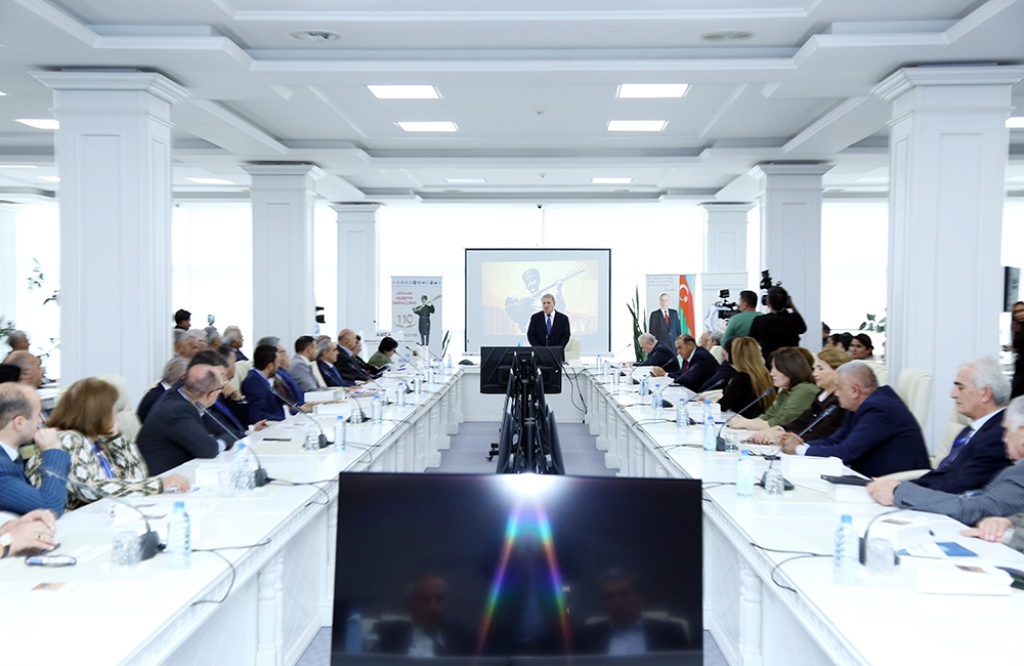
On February 27, an international scientific conference on the theme “Founders and Lessons of the First Turkological Congress: History and Modernity,” dedicated to the 100th anniversary of the First Turkological Congress, opened at the Presidium of the Azerbaijan National Academy of Sciences (ANAS).
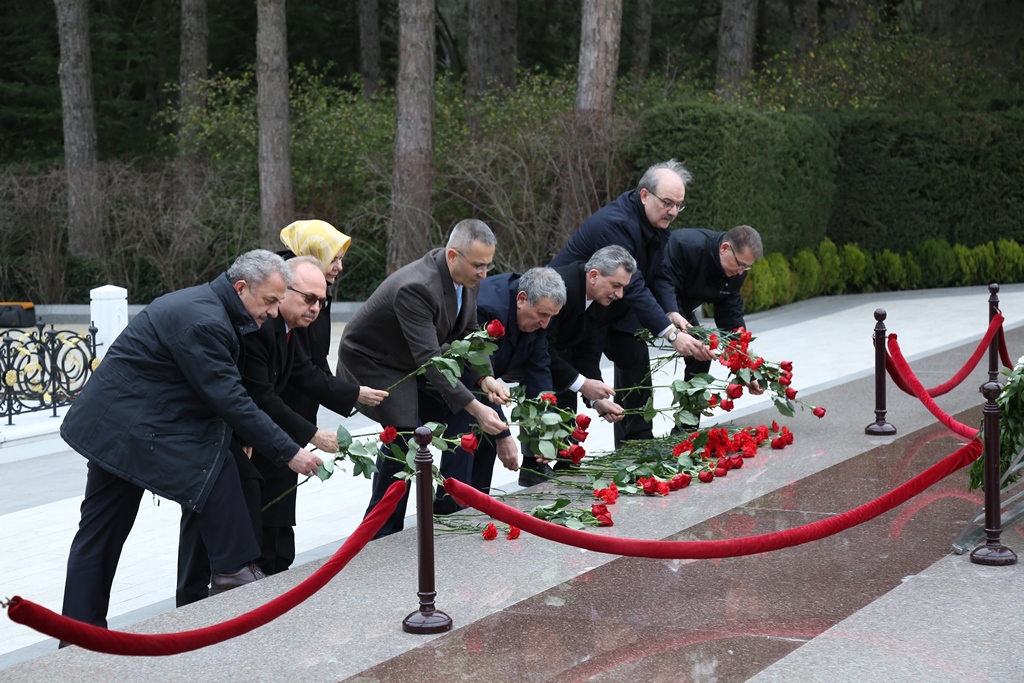
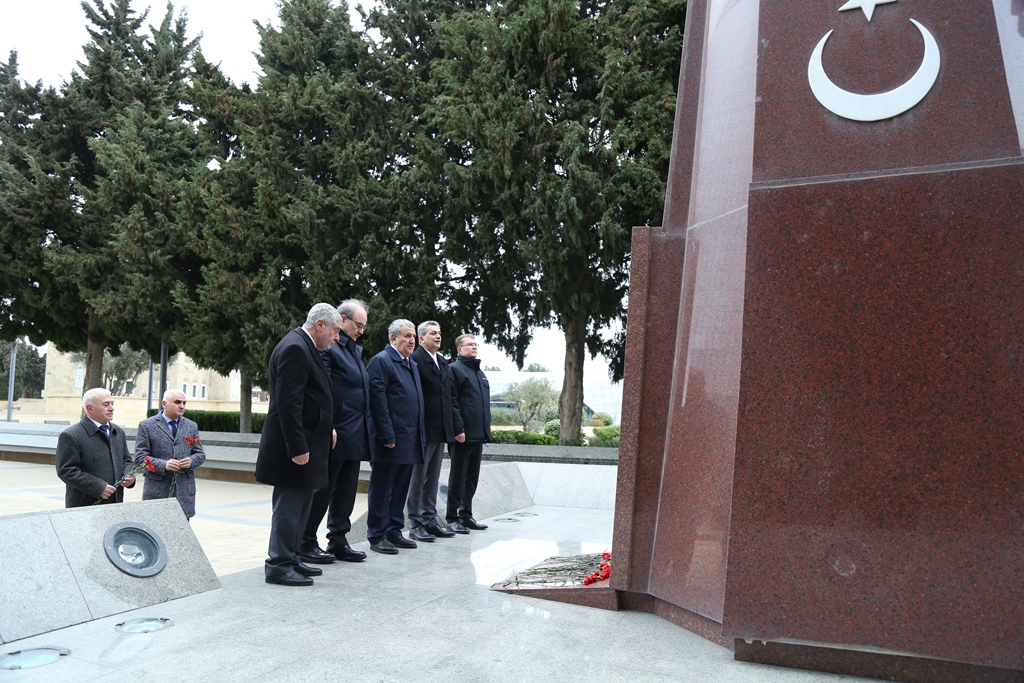
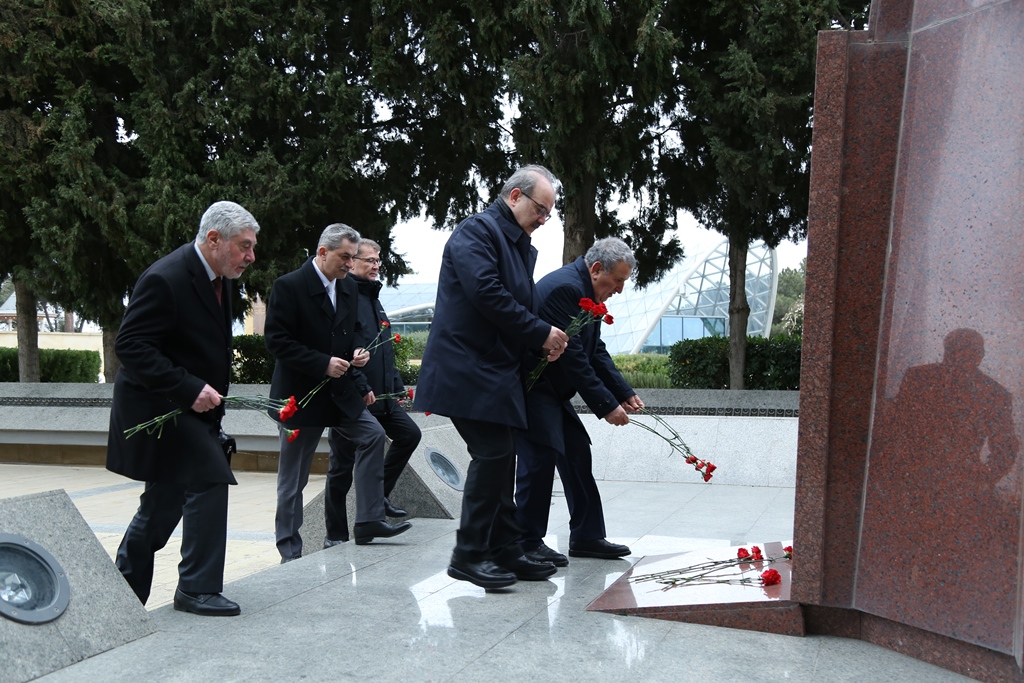
Conference participants first paid tribute at the Alley of Honor to the prominent statesman, architect, and founder of the modern independent Azerbaijani state, National Leader Heydar Aliyev, laying bouquets of flowers at his monument. Flowers were also laid on the grave of his life partner, the distinguished ophthalmologist and scientist, academician Zarifa Aliyeva.
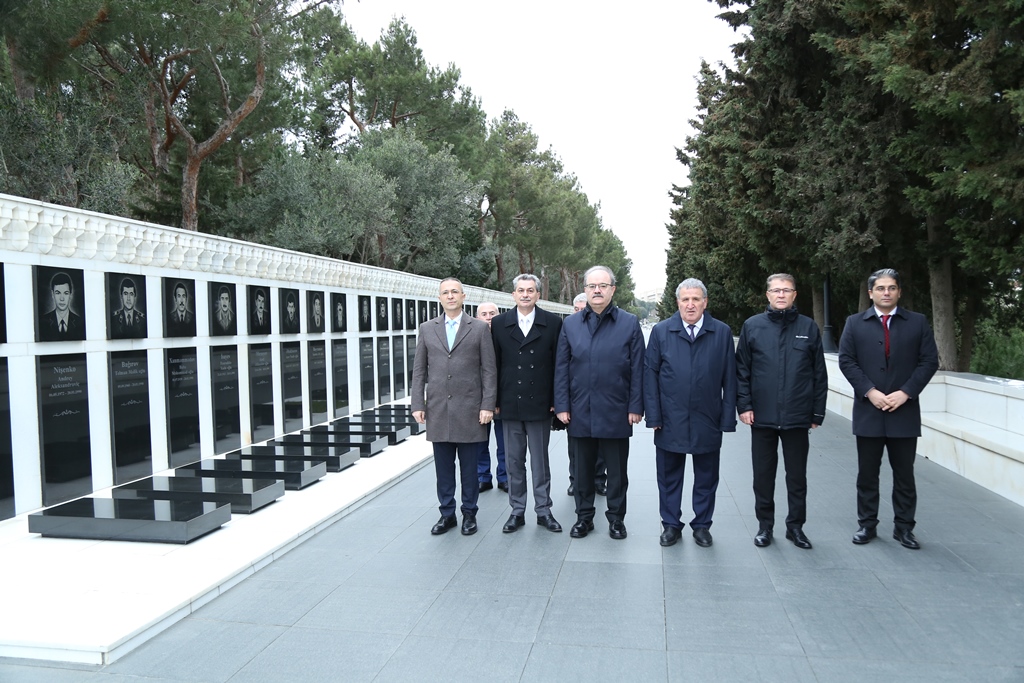
The participants then visited Martyrs’ Lane to honor the memory of the heroic sons of the homeland who sacrificed their lives for Azerbaijan’s sovereignty and territorial integrity, placing bouquets at their graves. They also visited the “Turkish Martyrdom” memorial, paying tribute to the heroic and devoted Turkish brothers resting there.
Subsequently, participants familiarized themselves with the First Turkological Congress database, a virtual exhibition, and publications released at ANAS in connection with the centenary, displayed in the foyer of the Presidium.
The conference began with a moment of silence in memory of the prominent figures of the Turkish world who played a key role in organizing the First Turkological Congress.
The opening address was delivered by ANAS President, academician Isa Habibbeyli, who welcomed the participants and expressed his pleasure in hosting them for this distinguished event.
Academician Isa Habibbeyli noted that the First Turkological Congress, held in 1926 in this historic hall at ANAS, was a major milestone in the cultural life of the Turkic peoples, including Azerbaijanis. The Congress adopted important forward-looking resolutions on the language, history, literature, alphabet, ethnography, and culture of the Turkic peoples, bringing together prominent scholars and intellectuals of the Turkic world.
“One of the greatest historical achievements of the Congress was the adoption of a unified Latin-based Turkic alphabet despite complex political circumstances,” said the ANAS President, emphasizing that the Congress set the main directions for Turkology. He added that the scientific legacy of the Congress remains relevant today.
He also highlighted that since the late 19th century, Baku has been one of the centers of scientific and cultural development in the Turkic world, and that Azerbaijan’s rich scientific and cultural potential serves as an important example for the region. He recalled that after independence, Azerbaijan was among the first Turkic states to officially transition to the Latin alphabet.
The ANAS President noted that on September 11, 2024, during the third meeting of the “Common Turkic Alphabet Commission,” organized in Baku by the International Turkic Academy and the Turkish Language Institution, a general agreement was reached on a 34-letter Common Turkic Alphabet. This represents an important step in forming a shared cultural and scientific space within the Turkic world.
“Presidential decrees on the 90th and 100th anniversaries of the First Turkological Congress demonstrate the high attention and respect shown to scholars and intellectuals of the Turkic world,” said Academician Isa Habibbeyli, emphasizing that these initiatives strengthen scientific and cultural cooperation, unity, and solidarity within the Turkic world.
He stressed that the presentations at the conference will stimulate the development of Turkology, strengthen scientific ties, and contribute to peace and fraternity both domestically and internationally.
Following this, Professor Abdurrahman Aliy, President of the Yunus Emre Institute of Turkey, described the First Turkological Congress as a landmark event in the cultural integration of Turkic peoples with a shared historical and intellectual heritage. He noted that many ideas proposed at the Congress have been successfully realized in the modern era.
Professor Aliy emphasized that the international promotion of the Turkish language, preservation of shared cultural heritage, and support for scientific activities remain key priorities. He highlighted that the Yunus Emre Institute regards Turkology not merely as a scientific discipline but as a multidimensional and strategic field encompassing historical heritage, cultural interaction, diplomatic perspectives, and language and education policies. He underscored that a unified Turkology community can establish a stronger and more influential position internationally.
He also noted that the 100th anniversary of the Congress is important for reevaluating the intellectual heritage of the Turkic world, discussing contemporary issues in Turkology, and expanding opportunities for scientific collaboration.
A film dedicated to the First Turkological Congress was subsequently screened.
At the event, Farid Jafarov, Deputy Minister of Culture of the Republic of Azerbaijan, remarked that the early 20th century was a complex and pivotal period for the Turkic peoples. He noted that the First Turkological Congress served as a major intellectual platform addressing language, alphabet, education, and cultural heritage systematically.
He emphasized that discussing the idea of cultural integration in the Turkic world on a scientific basis remains relevant today, and that this direction is consistently supported as a cultural policy priority by President Ilham Aliyev. He also pointed out that globalization, new challenges, digitalization, and rapid developments in artificial intelligence have added new dimensions to the concept of culture, making it crucial to preserve national and spiritual values while adapting them to a digital environment.
Other speakers included Serdar Çam, Deputy Minister of Culture and Tourism of Turkey; Assoc. Prof. Celile Ören Ökten, Deputy Minister of National Education of Turkey; Ulker Sattarova, Director of the State Agency for Science and Higher Education under the Ministry of Science and Education of Azerbaijan; Prof. Birol Akgün, Ambassador of Turkey to Azerbaijan; Anar, Chairman of the Writers’ Union of Azerbaijan and People’s Writer; Prof. Dr. Kürşat Zorlu, Member of the Turkish Parliament, Deputy Chair of AK Party, Head of Relations with Turkic States; Prof. Derya Örs, President of Atatürk High Institution of Culture, Language, and History; Academician Shahin Mustafayev, President of the International Turkic Academy; Prof. Osman Mert, Head of the Turkish Language Institution; and People’s Poet Sabir Rustamkhanli.
Additionally, Prof. Ahmet Bican Ercilasun, Director of the Turkish Culture Research Institute, presented on “Strategic Foundations of Turkology at the Congress Scale”; Academician Nizami Jafarov, Head of the Azerbaijan Atatürk Center, spoke on “Azerbaijan at the First Turkological Congress”; and Prof. Adil Babayev of Azerbaijan University of Languages discussed “The Fate and Honor of the Participants of the First Turkological Congress.”
The presentations highlighted the historical significance, conceptual foundations, and scientific legacy of the Congress organizers, emphasizing the conference as a platform that strengthens intellectual unity in the Turkic world, deepens scientific dialogue, and opens new avenues for research.
The event continued with panel sessions.
Distinguished scholars from Turkey, Uzbekistan, Kazakhstan, Turkmenistan, Kyrgyzstan, the Turkish Republic of Northern Cyprus, and other countries delivered presentations in addition to Azerbaijani participants.
Discussions focused on topics including “The Historical and Social Necessity of Convening the First Turkological Congress,” “Contributions of the Congress Organizers and Leading Figures to Turkology,” “Impact of the Congress Resolutions on the Scientific and Cultural Development of Turkic Peoples,” “Research on Turkic Languages, Alphabet and Terminology Issues, Methodological Approaches,” “Development Dynamics of the Congress Ideas During the Soviet Period and Afterwards,” “Challenges Facing Turkology in the Independence Era,” “Prospects for Turkological Research in the Global Scientific Environment,” and “Largely Unexplored Behind-the-Scenes Aspects of the Congress.”
Linguists, historians, ethnographers, literary scholars, and cultural researchers presented the current issues of Turkology from the perspectives of various scientific schools.
On February 28, the international conference participants will attend and speak at a symposium dedicated to the 100th anniversary of the First Turkological Congress at Khazar University.
Translation by Gulhane Aghayeva, Department of Public Relations, Press, and Information, Presidium of ANAS.
© All rights reserved. Reference to www.science.gov.az is required when using materials from this site.
Similar News
Links